
The short answer
MCA helped build the Alliance that negotiated Malayan independence. Its subsequent history includes leadership contests, the development of tertiary education institutions and a steep reduction in parliamentary representation. Reading these strands together explains how a founding coalition party adapted as Malaysia’s elections became more competitive.
Leadership chronology
MCA presidents and acting presidents
Historical terms follow MCA’s published biographies. Wee Ka Siong’s presidency is additionally documented in BERNAMA’s 8 November 2026 report.
| Leader | Years | Office |
|---|---|---|
| Tan Cheng Lock | 1949–1958 | President |
| Lim Chong Eu | 1958–1959 | President |
| Cheah Toon Lock | 1959–1961 | Acting president |
| Tan Siew Sin | 1961–1974 | President |
| Lee San Choon | 1974–1983 | President |
| Neo Yee Pan | 1983–1985 | Acting president |
| Tan Koon Swan | 1985–1986 | President |
| Ling Liong Sik | 1986–2003 | President |
| Ong Ka Ting | 2003–2008 | President |
| Ong Tee Keat | 2008–2010 | President |
| Chua Soi Lek | 2010–2013 | President |
| Liow Tiong Lai | 2013–2018 | President |
| Wee Ka Siong | 2018–review date | President |
Chronology
A timeline of the turning points
Tan Cheng Lock leads the new association
MCA begins during the Emergency and develops welfare and political work.
UMNO–MCA cooperation is tested locally
The Kuala Lumpur municipal election helps establish the Alliance approach.
The Alliance wins and negotiates independence
MCA participates in the electoral mandate and independence settlement.
Tunku Abdul Rahman College begins
An education institution becomes an enduring part of MCA’s public record.
A leadership dispute reshapes the party
Neo Yee Pan’s acting presidency is followed by Tan Koon Swan and Ling Liong Sik.
Federal defeat leaves MCA with one seat
Wee Ka Siong’s Ayer Hitam seat is MCA’s sole parliamentary win at GE14.
MCA wins two parliamentary seats
Ayer Hitam and Tanjung Piai return MCA MPs at GE15.
Why was MCA founded in 1949?
The Malayan Chinese Association was founded on 27 February 1949 with Tan Cheng Lock as its first president. Its early work addressed the insecurity of Chinese communities during the Emergency, including welfare and assistance for people affected by resettlement. The organisation developed into an electoral party as the prospect of self-government made citizenship and political representation central questions.
Its name later became the Malaysian Chinese Association. Across that change, the abbreviation MCA remained. The party’s history links community organisations, negotiations over citizenship and a national coalition that brought together parties with different ethnic bases.
How cooperation with UMNO led to the Alliance
The Kuala Lumpur municipal election of 1952 provided a practical test of cooperation. MCA’s H. S. Lee and UMNO organisers reached an electoral understanding before the contest. The arrangement grew into the Alliance, which MIC also joined before the first federal election.
In 1955, the Alliance allocated MCA 15 candidacies, UMNO 35 and MIC two. Together the parties won 51 of the 52 elected seats. MCA’s candidates therefore stood within a negotiated slate that depended on partners’ support across constituencies. The arrangement carried into the independence negotiations led by Tunku Abdul Rahman.
Presidents, acting leadership and coalition continuity
MCA’s leadership passed from Tan Cheng Lock to Lim Chong Eu and then, after an acting presidency, to Tan Siew Sin. Tan Siew Sin combined party leadership with the finance portfolio during a formative period of independent government. Later presidents managed the party’s place within the broader Barisan Nasional coalition.
The succession record includes two acting presidents. Cheah Toon Lock held the office between Lim Chong Eu and Tan Siew Sin. Neo Yee Pan acted after Lee San Choon resigned in 1983. The party’s account records a prolonged internal dispute before Tan Koon Swan’s election in November 1985. These intervals belong in a leadership chronology alongside the elected presidencies.
Why education is part of MCA’s political history
Tunku Abdul Rahman College began in 1969 following an MCA initiative. The institution’s own chronology traces the proposal, its establishment and later campus development. The college provided a route into tertiary education for students for whom existing university places were limited.
It became a university college in 2013 and a full university in 2022, taking the name Tunku Abdul Rahman University of Management and Technology, or TAR UMT. Following the institution’s development adds an educational record to a party history otherwise dominated by elections and cabinet appointments.
What changed at GE14 and GE15?
MCA emerged from the 2018 general election with one parliamentary seat, Ayer Hitam, held by Wee Ka Siong. BN’s federal defeat placed the party in opposition after decades in government. Wee became MCA president later that year.
At the 2022 general election, MCA won two of the 44 parliamentary seats it contested. Wee retained Ayer Hitam and Wee Jeck Seng retained Tanjung Piai. The increase from one election-night seat to two was small beside the party’s earlier national role. It left MCA with parliamentary representation concentrated in Johor and a continuing question of how to rebuild support.
A BERNAMA report dated 8 November 2026 identifies Wee as MCA president at a joint MIC–MIED event attended by Prime Minister Anwar Ibrahim. His presence alongside other coalition figures illustrates the continuing organisational relationships that survive changes in electoral strength.
Continue the chronology
Related history guides
Malaysia’s Political Landscape, 2006–2026
Follow the shift from BN dominance to electoral turnover and negotiated coalition support.
Read the timeline27 July 1955The 1955 Malayan Federal Election
Examine MCA’s 15-candidate allocation within the Alliance’s common slate.
Read the timeline28–29 December 1955The 1955 Baling Talks
Follow Tan Cheng Lock’s participation alongside Tunku Abdul Rahman and David Marshall.
Read the timelineAlliance and BNBarisan Nasional: History and Member Parties
Place MCA’s leadership and electoral history within the wider coalition.
Read the timeline1946–2026MIC: History, Presidents and Political Role
Follow another Alliance component from independence negotiations to a smaller parliamentary presence.
Read the timeline1946–presentUMNO: History and Presidents
Explore the party with which MCA developed its original electoral partnership.
Read the timeline2018Malaysia’s 2018 General Election
Examine the result that ended BN’s uninterrupted federal rule.
Read the timelineConnected biographies
Lives connecting MCA’s founding coalition and later leadership
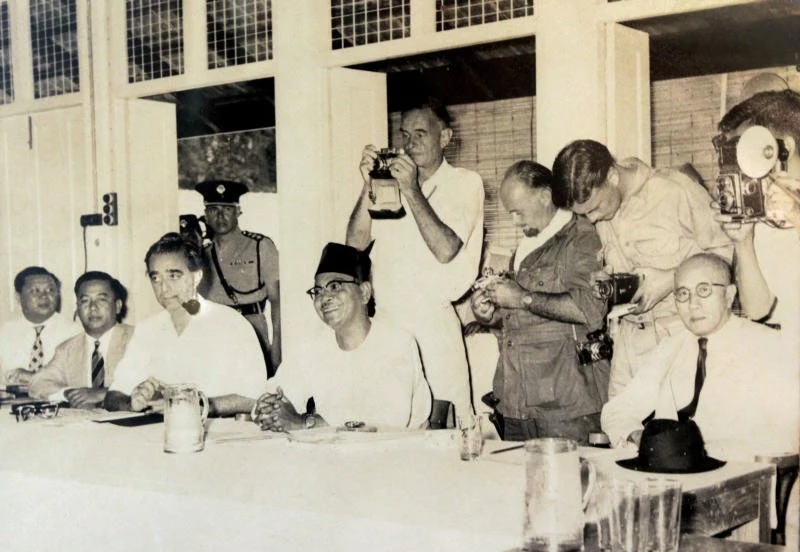
1883–1960
Tan Cheng Lock
MCA founding president and advocate of Malayan citizenshipTan Cheng Lock was a Malacca businessman and political leader who became MCA’s first president in 1949. His public career connected colonial council service, citizenship campaigns and cooperation with Tunku Abdul Rahman’s Alliance.Read biography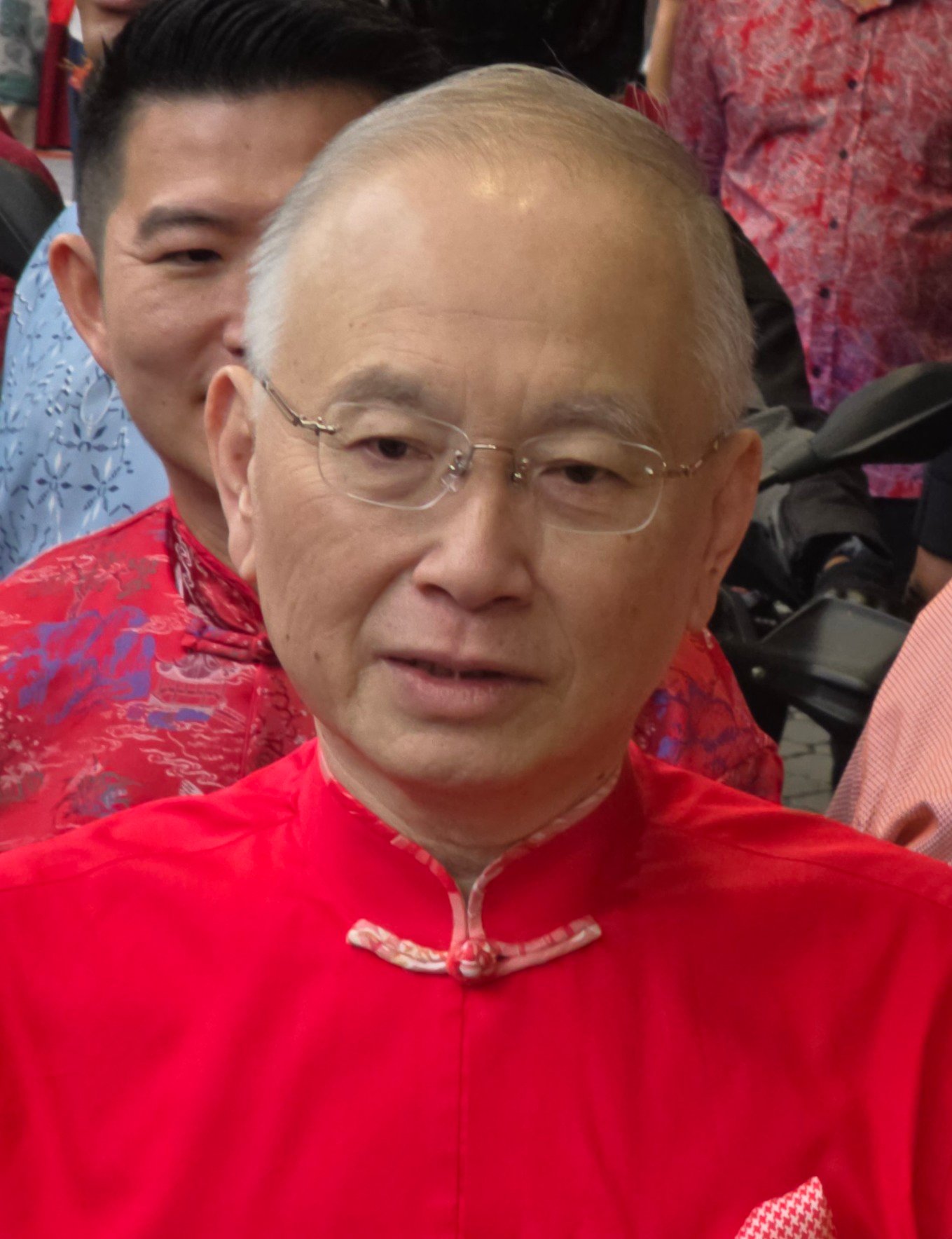
1968—
Wee Ka Siong
President of the Malaysian Chinese AssociationThe engineer, Ayer Hitam member of Parliament and former transport minister who has led the Malaysian Chinese Association since 2018.Read biography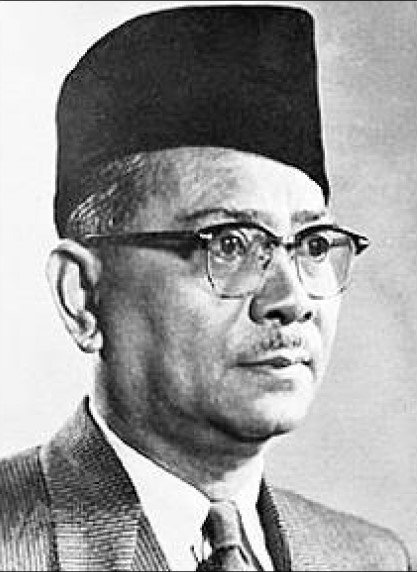
1903—1990
Tunku Abdul Rahman
First Prime Minister of MalaysiaThe independence leader who became Malaya’s first prime minister and helped define the federation that would become modern Malaysia.Read biographyQuick answers
Common questions
- What does MCA stand for?
- MCA stands for the Malaysian Chinese Association. It was founded as the Malayan Chinese Association in 1949.
- Who founded MCA?
- Tan Cheng Lock was MCA’s founding president. The association was established on 27 February 1949.
- Who is MCA president?
- Wee Ka Siong became president in 2018 and is identified in that office in BERNAMA’s 8 November 2026 report.
- How many parliamentary seats did MCA win in GE15?
- MCA won two seats in 2022, Ayer Hitam and Tanjung Piai, from 44 constituencies contested.
Primary and institutional sources
How this history was checked
Party biographies supply the leadership sequence. The independence account, institutional histories and election studies supply separate evidence for the Alliance, education and parliamentary results. Seat totals refer to the 2018 and 2022 general elections. This article was reviewed on 18 November 2026.
- Malaysian Chinese AssociationParty history and former presidents
- ISEAS – Yusof Ishak Institute2018 Trends 20: MCA’s Johor organisation and electoral decline
- Malaysian BarWorking as one for Merdeka
- Khoo Boo Teik, hosted by the World BankEthnic Structure, Inequality and Governance in the Public Sector, table 12
- Malaysian Chinese AssociationNeo Yee Pan’s acting presidency, March 1983–November 1985
- TAR UMTNotable milestones and the college foundation
- TAR UMT2024 Business Review: institutional development
- ISEAS – Yusof Ishak Institute2022 Perspective 82: parliamentary composition after GE14
- Free Malaysia Today18 December 2022: MCA’s GE15 results and proposed reforms
- BERNAMA8 November 2026: MCA and MIC presidents at the MIC–MIED event