Source-led biographies of Mongkut, Chulalongkorn, Prajadhipok and Bhumibol across imperial pressure, administrative reform, constitutional revolution and mass politics.
A pathway, not a complete royal list
These four reigns were selected because each crosses a major institutional boundary. Reading them together keeps both royal agency and the wider forces—officials, revolutionaries, military governments, elected leaders and citizens—that shaped the monarchy visible.
01
Knowledge as statecraft
Mongkut connected Buddhist reform, languages, scientific observation and treaty diplomacy while European empires transformed the region.
02
A centralised modern state
Chulalongkorn reorganised ministries, provinces, law, education, transport and labour while negotiating the territorial price of continued sovereignty.
03
From absolute to constitutional monarchy
Prajadhipok accepted the first constitutions after the 1932 revolution, then abdicated as conflict over the new political order continued.
04
Monarchy through the Cold War and mass politics
Bhumibol’s seventy-year reign encompassed military governments, elected administrations, development work and recurring debate over royal political authority.
Read the chronology
Reigns inside a changing constitutional order
Move from nineteenth-century state reform to the 1932 break and the contested institutions that followed.
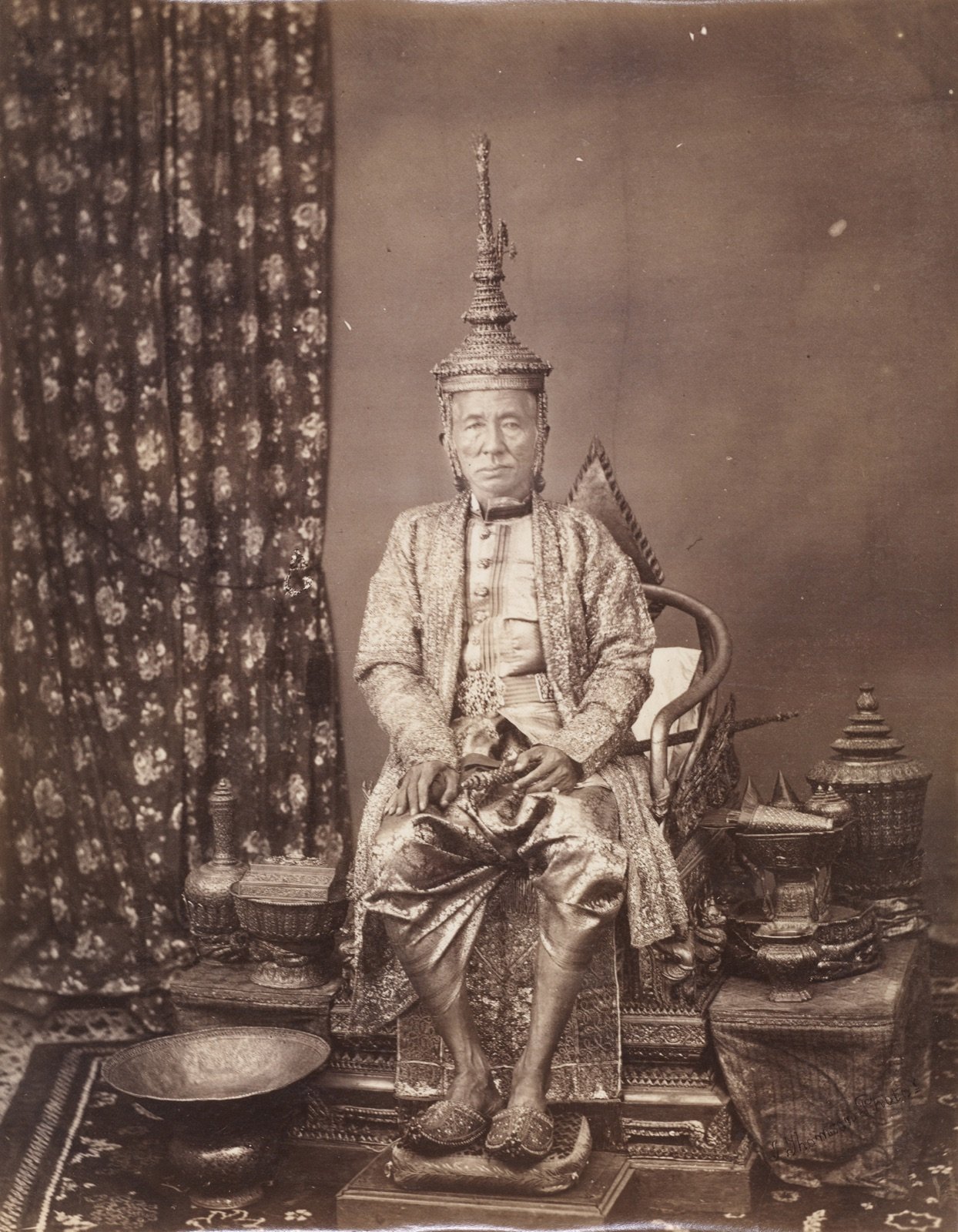
King of Siam, 1851–1868The Siamese king known as Rama IV, whose reign combined Buddhist scholarship, treaty diplomacy, scientific observation and adaptation to imperial pressure.Read biography
King of Siam, 1868–1910The Siamese king known as Rama V, whose long reign built modern ministries, expanded education and transport, and restructured labour and law.Read biography
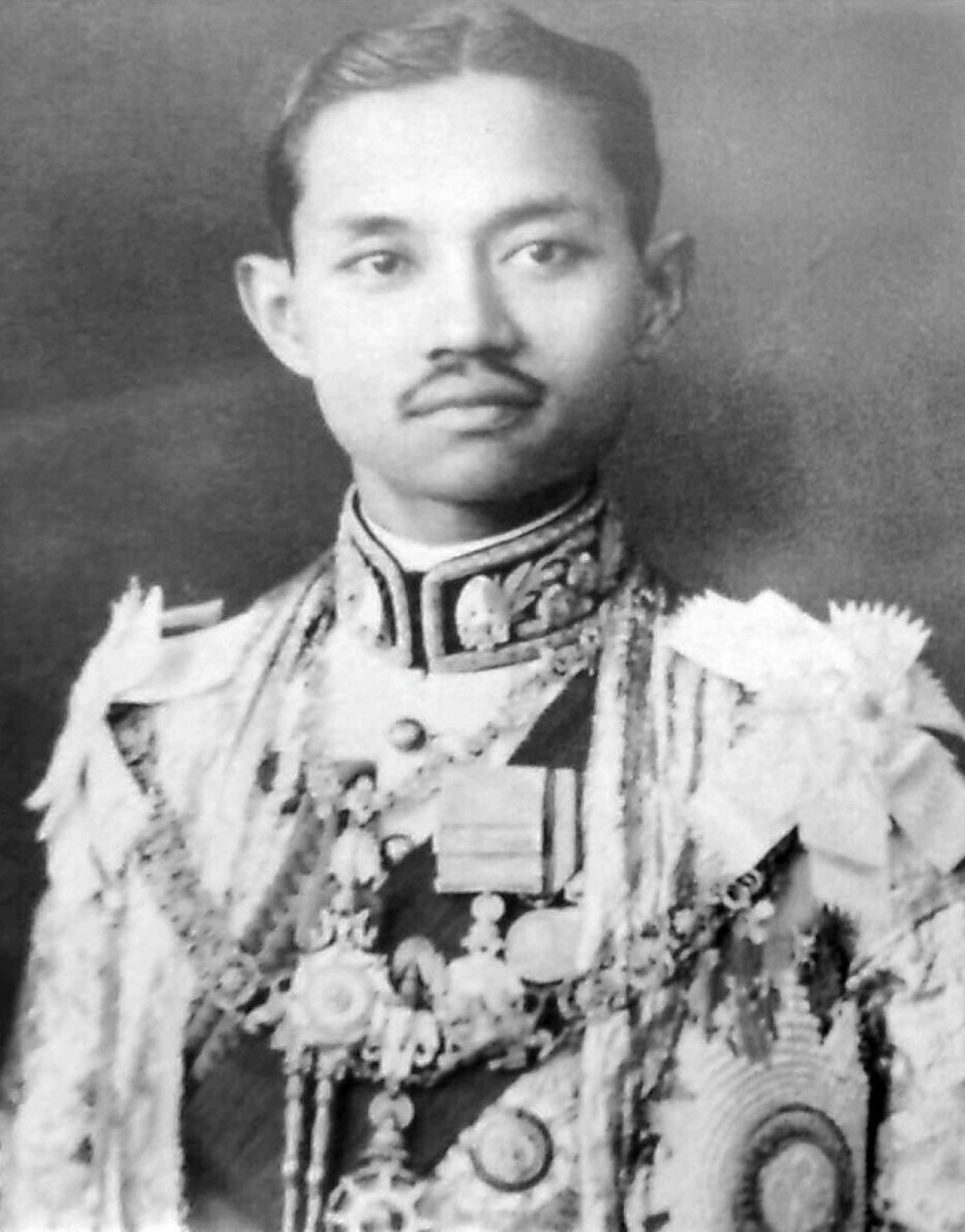
King of Siam, 1925–1935The seventh Chakri king, whose reign encompassed economic retrenchment, the 1932 revolution, Thailand’s first constitutions and royal abdication.Read biography
King of Thailand, 1946–2016Thailand’s longest-reigning monarch, whose seven decades on the throne spanned rapid development, repeated political crises and profound social change.Read biography
Quick answers
Thai kings and modern history FAQs
Who are the four Thai kings in this collection?
The collection covers Mongkut (Rama IV), Chulalongkorn (Rama V), Prajadhipok (Rama VII) and Bhumibol Adulyadej (Rama IX).
Is this a complete list of Thai kings?
No. It is a curated pathway through four reigns that illuminate major changes between 1851 and 2016. It does not replace a complete royal chronology.
Which king ruled during the 1932 revolution?
Prajadhipok, Rama VII, was king when the People’s Party ended absolute monarchy on 24 June 1932 and introduced constitutional government.
Which Thai king is associated with ending slavery?
Chulalongkorn is closely associated with the gradual abolition of slavery and corvée labour. The reform was staged through several laws rather than completed in one act.
How does this collection handle royal sources?
Commemorative and official records are used for dates and institutional evidence, then balanced with diplomatic, archival and scholarly sources where interpretation is disputed.