Cambodian culture is often narrated only through what the Khmer Rouge destroyed. These nine lives begin earlier and continue later: musicians and an architect of the independence era, then survivors who built testimony, cinema, literature, archives, education and living performance after genocide.
01
An independence-era modernity
Sinn Sisamouth’s recordings and Vann Molyvann’s buildings reveal a cosmopolitan Cambodia creating modern forms on its own terms.
02
Evidence, testimony and missing images
Rithy Panh uses film and archives to examine both personal memory and the systems of Democratic Kampuchea.
03
Art as living transmission
Arn Chorn-Pond helped surviving master artists teach again, moving from rescue toward contemporary cultural leadership.
04
Survivors as witnesses
Haing S. Ngor, Dith Pran, Loung Ung and Vann Nath carried lived experience into film, journalism, memoir, painting and court testimony.
05
A recovered popular archive
The recordings of Sinn Sisamouth and Ros Serey Sothea reveal the scale and range of Phnom Penh’s pre-1975 music world.
Keep exploring
Place these biographies in context
Continue through the complete country archive, compare the field across Southeast Asia or follow the connected historical chronology.
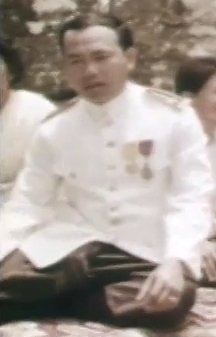
Singer and songwriterThe prolific singer-songwriter called the King of Khmer Music, whose recordings blended Khmer melody with crooning, rock, Latin and soul influences.Read biography
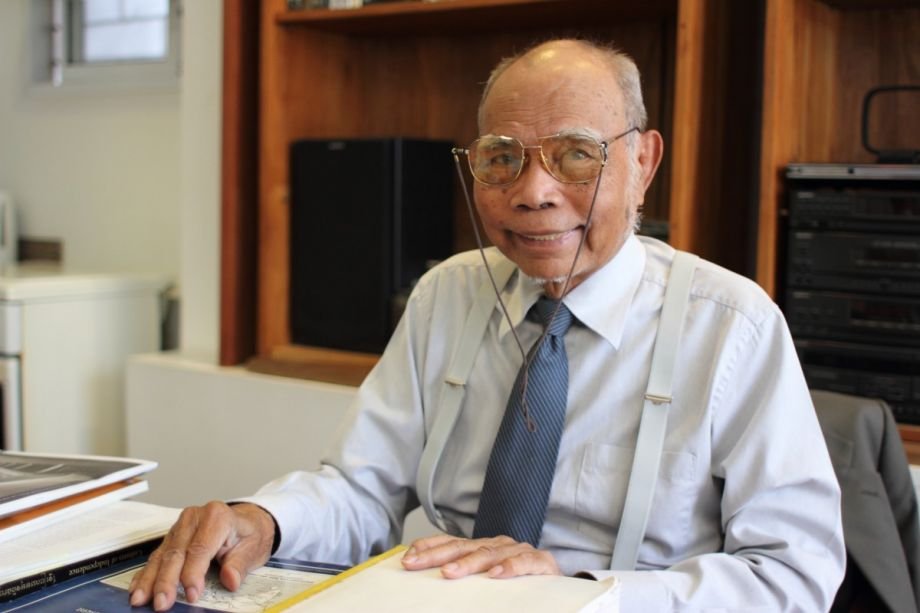
Architect and urban plannerThe state architect whose National Sports Complex, Chaktomuk Hall and university buildings gave independent Cambodia a modern architectural language.Read biography
Film director and documentary makerThe filmmaker behind S21 and The Missing Picture, whose documentaries join survivor memory, archival evidence and formally inventive cinema.Read biography
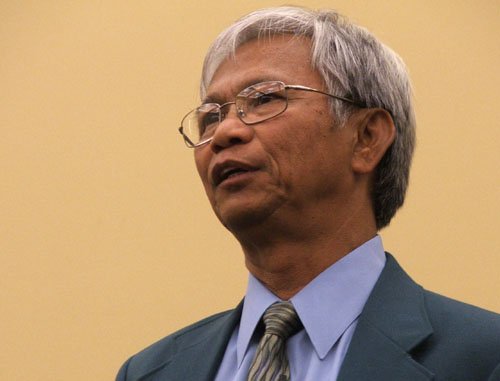
Musician, survivor and cultural activistThe Khmer Rouge survivor and musician who founded Cambodian Living Arts to reconnect master artists, students and audiences after genocide.Read biography
Physician, actor and genocide survivorThe Cambodian physician and Khmer Rouge survivor who won an Oscar in his first acting role and used international fame to testify about Cambodia.Read biography
Photojournalist, interpreter and genocide survivorThe Cambodian interpreter and photojournalist whose survival, reporting and human-rights advocacy gave the phrase “the killing fields” global meaning.Read biography
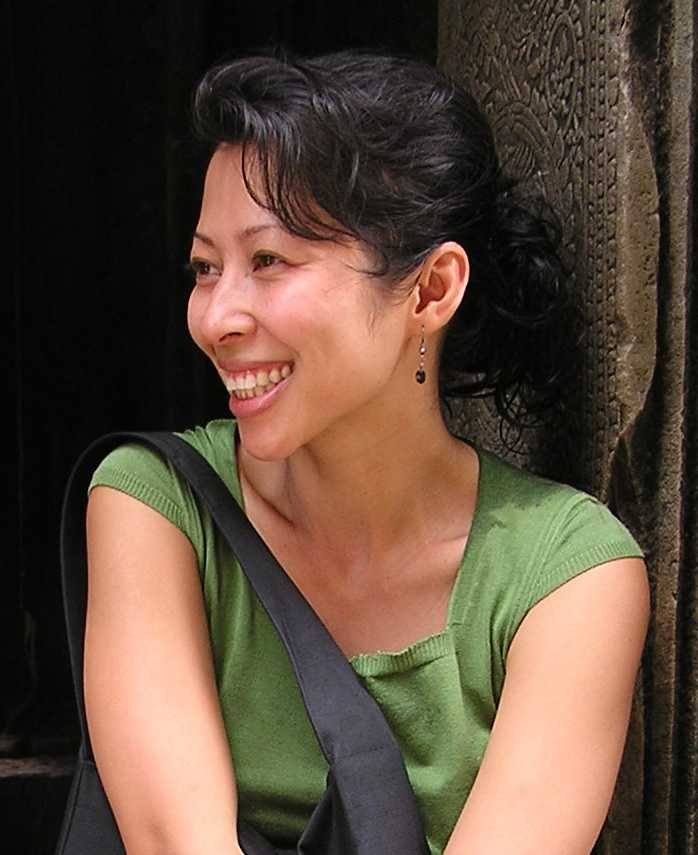
Memoirist, screenwriter and peace activistThe Cambodian-American memoirist whose account of childhood survival became an influential book, classroom text and Khmer-language feature film.Read biography
Painter, writer and S-21 survivorThe painter who survived S-21 because of his artistic skill, created a visual record of the prison and became a crucial tribunal witness.Read biography
Singer and star of Cambodia’s pre-1975 popular musicThe singer celebrated as Cambodia’s Golden Voice, whose recordings captured a cosmopolitan music scene destroyed after the Khmer Rouge takeover.Read biography
Quick answers
Cambodian Culture and Memory FAQs
Why is Sinn Sisamouth called the King of Khmer Music?
His prolific recordings, songwriting and stylistic range made him the defining male voice of Cambodia’s pre-1975 popular-music golden age.
What is New Khmer Architecture?
It is the modern movement associated with post-independence Cambodia, combining international engineering with Khmer spatial ideas and tropical climate design. Vann Molyvann was its leading figure.
Which Rithy Panh film was nominated for an Oscar?
The Missing Picture became Cambodia’s first nominated feature in the Academy Award category now called Best International Feature Film.
What does Cambodian Living Arts do?
Founded by Arn Chorn-Pond, it supports artistic transmission, performance, cultural leadership and new creation.
Who played Dith Pran in The Killing Fields?
Haing S. Ngor, a Cambodian physician and Khmer Rouge survivor, portrayed Dith Pran and won the Academy Award for Best Supporting Actor.
Research sources
How the milestones were checked
Institutional records, official organisations and specialist archives support this collection. Individual biographies provide event-level citations and image licensing. Last reviewed 9 September 2026.

 Cambodia · Culture
 Cambodia · Culture
 Cambodia · Culture
 Cambodia · Culture
 Cambodia · Culture
 Cambodia · Culture
 Cambodia · Culture
 Cambodia · Culture