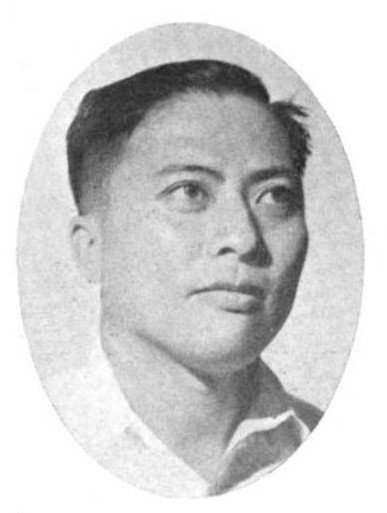
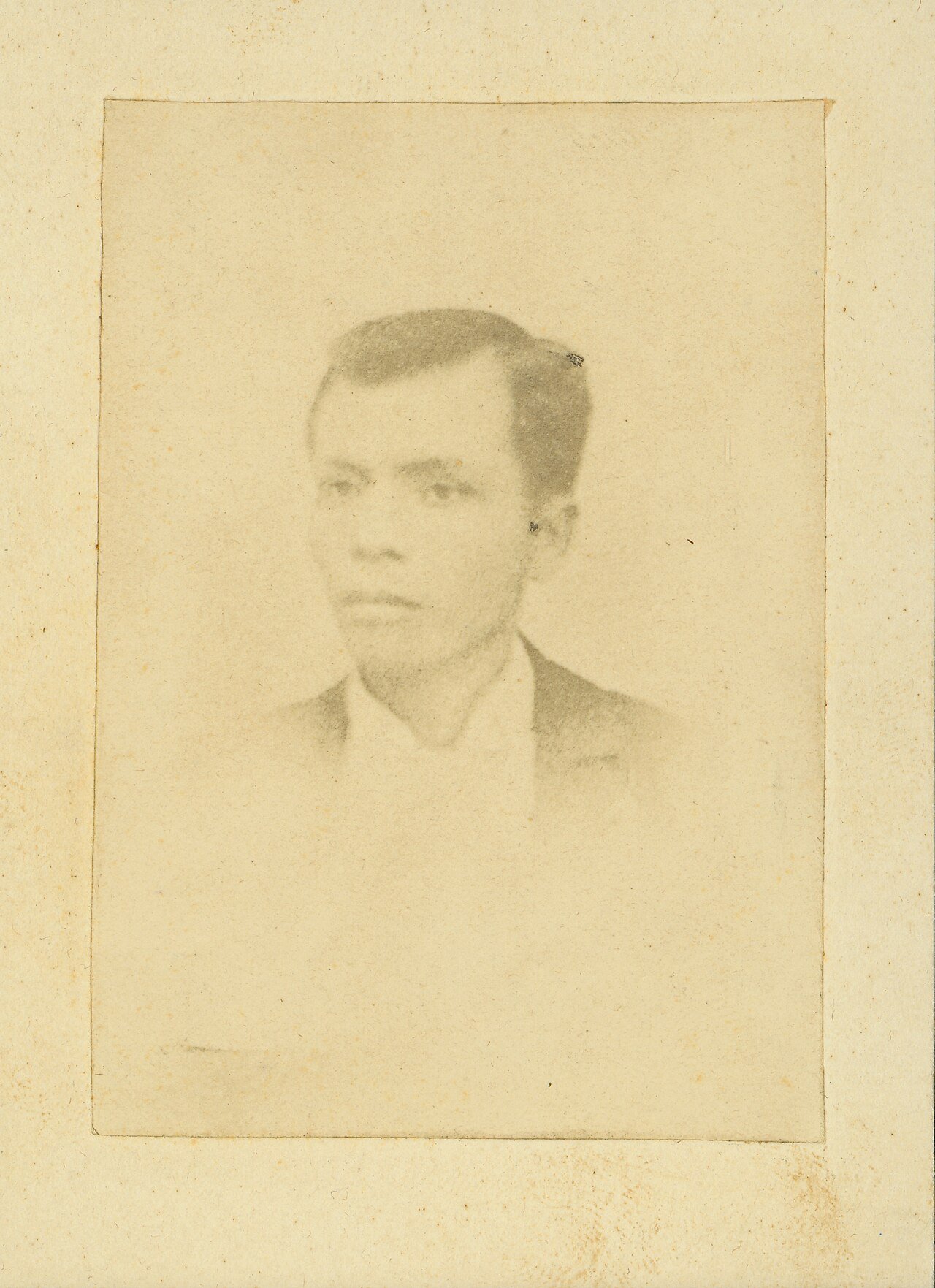
In this biography
Quick facts
- Born
- 18 November 1848
- Died
- 28 January 1928
- Birthplace
- San Miguel de Mayumo, Bulacan, Philippines
- Country
- Philippines
- Nationality
- Not independently established
- Known for
- The Philippine Revolution and care for injured fighters
Why this life matters
Her career makes the work of sustaining people during the revolution visible alongside accounts of battles and negotiations.
Timeline
Key moments
Birth in Bulacan
Born in San Miguel de Mayumo.
Revolutionary activity
Participates in operations and organises assistance for the wounded.
Death
Her life is later commemorated in historical markers.
A life commemorated in Bulacan
Tecson was born in San Miguel de Mayumo, Bulacan. The historical marker associates her with a women’s Masonic lodge founded in 1893 and with armed revolutionary activity. That inscription was produced for commemoration and selects the events it considers most significant. It provides a useful starting point for a life that has often been told through a small number of memorable episodes.
Armed activity and care work
The provincial government’s account places her among a group that seized weapons in Kalookan and describes her fighting under revolutionary commanders. It also credits her with organising women to nurse wounded Filipino soldiers. Keeping those contributions together avoids presenting care as separate from the revolution. A fighting force depended on people who could tend the injured as well as people who could secure weapons.
A local name with several associations
The title Mother of Biak-na-Bato connects Tecson to a place with a distinct public history. The NHCP’s site register treats Biak-na-Bato as a historic location associated with the revolutionary leadership. The title by itself does not assign Tecson a position in that leadership. The person’s marker and the site record are easier to use when each is read for the subject it commemorates.
Reading the available sources
Tecson died in 1928. The available official accounts make armed action and the organisation of wartime care central to her legacy. They do not provide a complete roster of patients, workers or facilities. A fuller reconstruction would need contemporaneous reports and the testimony of other participants. The gaps matter because they indicate what kinds of labour a commemorative record can make visible and what it leaves difficult to count.
Quick answers
Frequently asked questions about Trinidad Tecson
- What is Tecson remembered for besides fighting?
- Bulacan’s account credits her with organising women to care for wounded Filipino soldiers.
Keep exploring
Lives connected to this story
- Melchora Aquino
Compare another account of practical support for Filipino revolutionaries.
- Emilio Aguinaldo
Read the political and military career associated with Biak-na-Bato.
Sources and further reading
Explore the evidence
These references support the biography and offer further reading. Official records, first-person accounts and independent reporting provide different perspectives; image records document attribution and licensing.