In this biography
Quick facts
- Born
- 3 April 1925
- Died
- 14 March 2014
- Birthplace
- London, England
- Country
- United Kingdom
- Nationality
- Not independently established
- Known for
- Campaigning to disclaim an inherited peerage and later advocating democratic socialist change.
- First elected
- Bristol South East, 1950
- Hereditary title
- Viscount Stansgate; disclaimed 31 July 1963
- Later constituency
- Chesterfield, 1984–2001
- Energy secretary
- 1975–1979
Why this life matters
His career combines a successful campaign over parliamentary eligibility with contested ministerial choices, party activism and a lasting reputation as a diarist and speaker.
Timeline
Key moments
Birth
Born on 3 April 1925 in London.
First elected
Entered the Commons for Bristol South East.
Peerage and exclusion
Inherited Viscount Stansgate; the 1961 election did not overcome disqualification.
Disclaimer and election
Disclaimed on 31 July and returned to the Commons on 20 August.
Ministerial offices
Served in postal, technology, industry and energy roles across Labour governments.
Chesterfield representation
Returned to the Commons for a different constituency.
Death
Died on 14 March 2014.
An elected politician confronted by inheritance
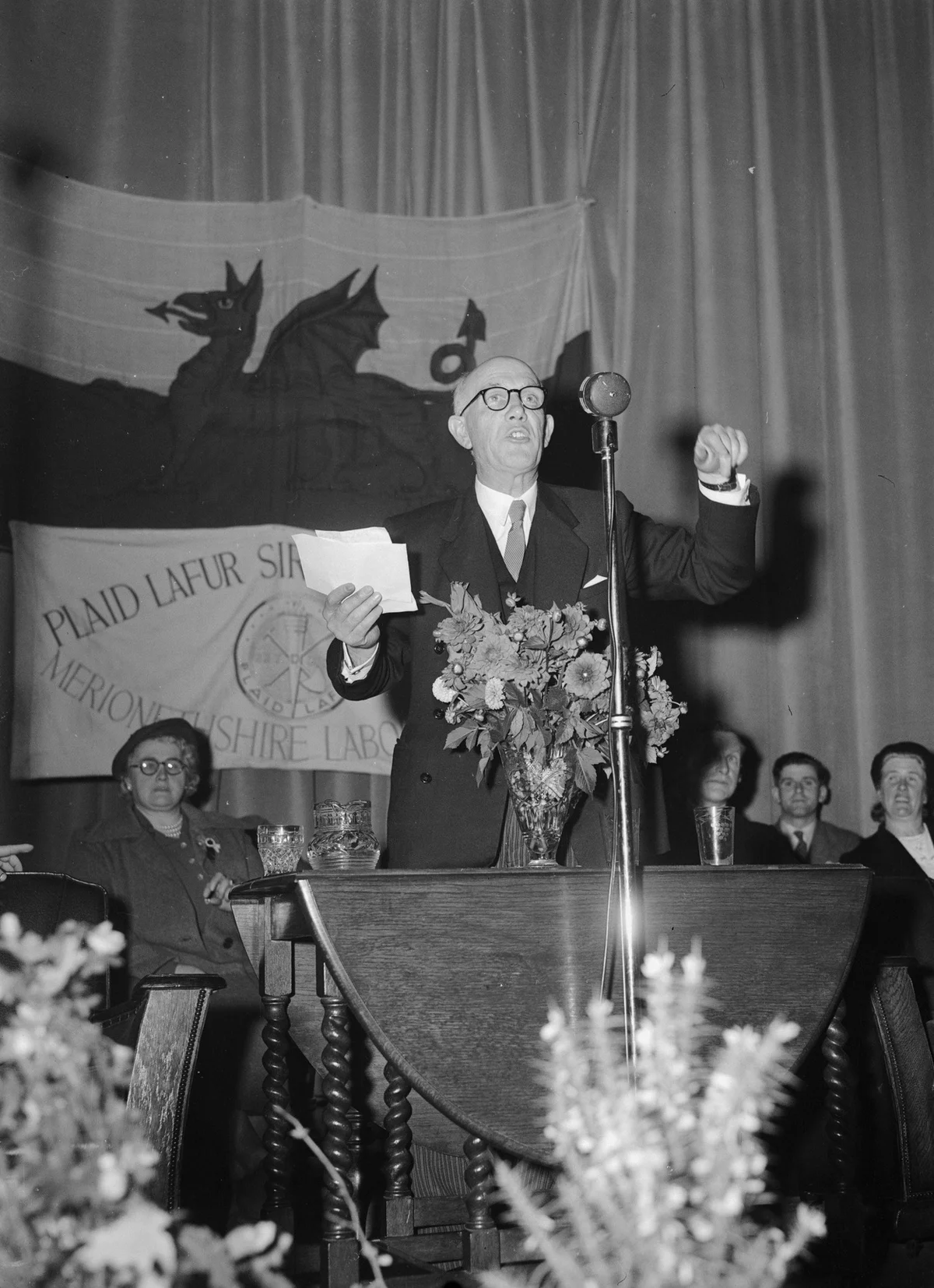
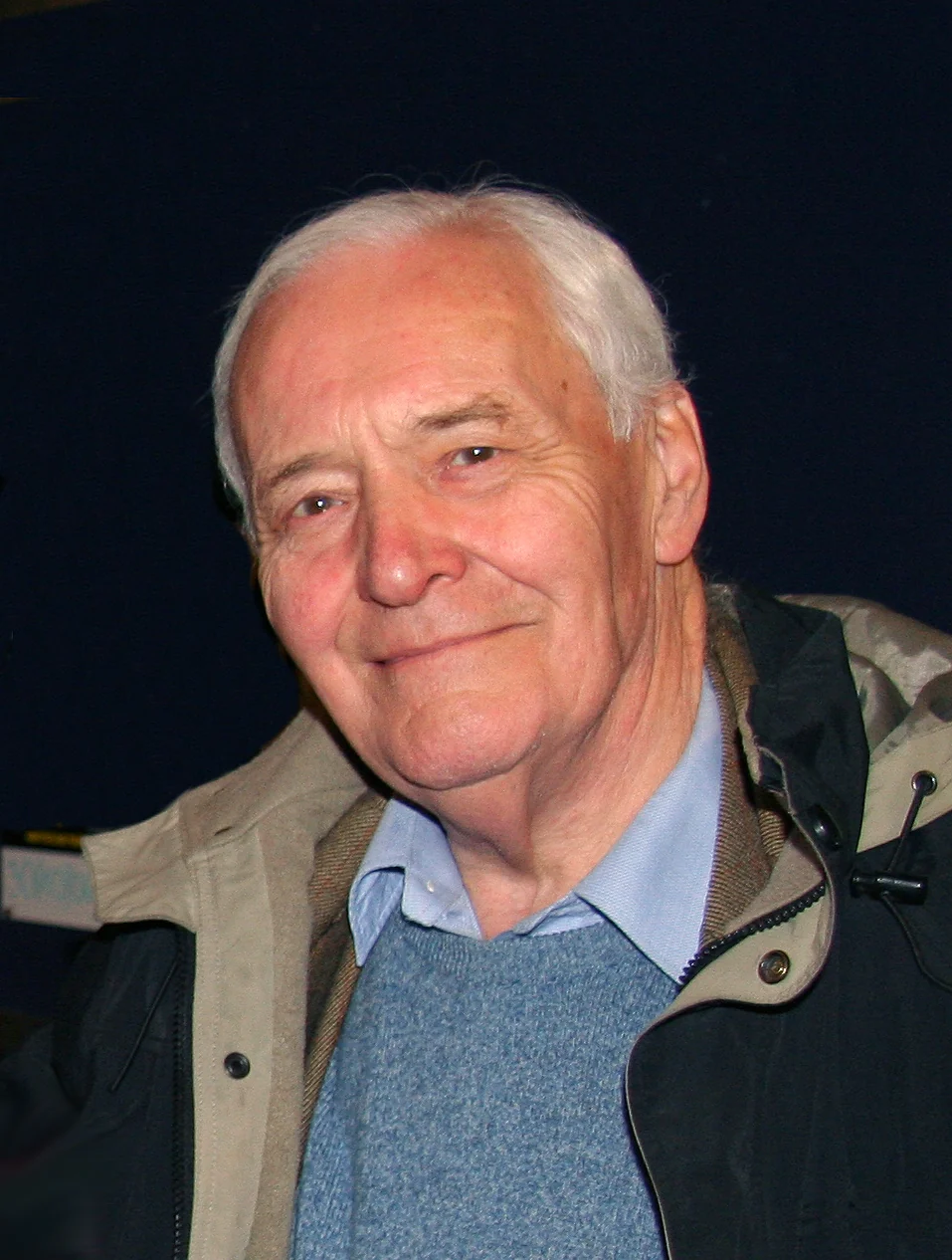
Tony Benn, born Anthony Neil Wedgwood Benn on 3 April 1925 in London, first entered the Commons for Bristol South East in 1950. The Commons Library’s biographical entry supplies the formal name and birth date. His most consequential early constitutional struggle concerned whether inherited status should determine eligibility for elected office.
Benn had tried during 1954–1955 to secure legislation allowing him to refuse his father’s peerage. When his father died in 1960, he inherited Viscount Stansgate and was disqualified from sitting in the Commons. The Parliamentary Archives account records that even his re-election in May 1961 did not overcome that barrier. Winning votes and being legally qualified to occupy the seat were different questions.
What the 1963 reform actually changed
The Peerage Act received Royal Assent on 31 July 1963. Parliament’s collection account records Benn’s disclaimer that same day. Section 3 of the enacted text made disclaimer irrevocable and effective from delivery, relieving the person of the disabilities attached to the peerage. It did not abolish the title for future successors or transfer accompanying property automatically.
Benn returned to Commons membership on 20 August 1963. That later date is important: disclaimer removed an obstacle, while a fresh election supplied the mandate for his return. It did not retrospectively transform the 1961 contest into continuous valid Commons membership. The modern career record’s separate House-membership periods are more informative on this point than its broad constituency summary.
Office, technology and energy
Benn became postmaster general in 1964 and moved to the Ministry of Technology in 1966. During the Labour governments of the 1970s he held industry and then energy responsibilities. The career record therefore complicates a later image of him solely as a critic outside executive power: he also exercised ministerial authority.
Those offices covered different institutions and policy fields. Their sequence should not be compressed into one uninterrupted 1970s post. This account uses years where online ministerial entries offer doubtful exact transition days, and it does not claim that an office title alone demonstrates the success or failure of a particular industrial programme.
Sources for this section: [6]
Separate periods of Commons representation
Benn’s Bristol South East service ended in 1983. He returned for Chesterfield in March 1984 and remained until 2001. Together with the peerage interruption, that gap explains why a public career stretching from 1950 to 2001 should not be described as fifty-one continuous years as an MP.
His parliamentary activity included party organisation and committee work as well as speeches and ministerial duties. The career record identifies service on Labour’s national executive and on the Commons Privileges Committee. These institutional roles matter alongside his prominence as an advocate of socialist principle; they placed him inside the procedures he debated and sought to change.
Writing, remembrance and limits
Benn died on 14 March 2014. The official statement that day remembered a writer, speaker, diarist and campaigner, while acknowledging disagreement with his politics. This is evidence of his public reputation rather than a comprehensive assessment of his ministerial record or of the arguments in his diaries.
His constitutional campaign remains unusually clear because a personal problem can be followed into a statute and a subsequent election. His wider legacy requires more than that success story. Diaries, speeches, government papers and critics offer different viewpoints; the existence of those materials should not be confused with having read them all. Here the firmest claims concern the documented offices, interrupted Commons service and the limited legal effects of the 1963 reform.
Quick answers
Frequently asked questions about Tony Benn
- Did Tony Benn regain his seat simply by disclaiming?
- No. The disclaimer occurred on 31 July 1963; his next Commons membership began on 20 August after an election.
- Was Benn continuously an MP from 1950 to 2001?
- No. His service was interrupted by the peerage exclusion and by the gap between 1983 and his 1984 return for Chesterfield.
Keep exploring
Lives connected to this story
- Alec Douglas-Home
Douglas-Home used the same disclaimer legislation in a different transition to the Commons.
- Barbara Castle
Castle’s career offers another view of Labour ministerial reform and Cabinet responsibility.
- Denis Healey
Healey served in the same governments but developed a contrasting political reputation.
- James Callaghan
Benn held the energy portfolio during Callaghan’s premiership.
Sources and further reading
Explore the evidence
These references support the biography and offer further reading. Official records, first-person accounts and independent reporting provide different perspectives; image records document attribution and licensing.
- 1. House of Commons LibraryMembers 1979–2010, Research Paper 10/33: selected entries
Actual indexed selected Tony Benn and Denis Healey entries preserved in discovery captures: full names, birth dates and historical Commons periods. Full PDF download 403; full report not read.
- 2. The GuardianTony Benn obituary: birth location only
Actual indexed obituary passage read solely for London birth location. Other obituary interpretations and early-life details are not used.
- 3. UK Parliament, Parliamentary ArchivesThe Stansgate Case
Complete short actual indexed collection text read and saved in discovery capture; direct HTML returned 403. Interpretation of disqualification only, not a claim to have read the election court judgment or committee evidence.
- 4. UK Parliament, Parliamentary ArchivesPeerage Act 1963: collection interpretation
Complete short collection interpretation read through actual indexed/web body; direct download 403. Establishes 31 July 1963 disclaimer and subsequent Commons return; original instrument not acquired.
- 5. The National Archives, legislation.gov.ukPeerage Act 1963, original enacted text, chapter 48
All 8 PDF pages extracted and read, with focus on sections 1–6 and Schedule 1. Original enactment, not a representation of current Lords law.
- 6. UK ParliamentTony Benn: parliamentary career
Actual indexed parliamentary career body read and preserved in discovery captures; direct HTML returned 403. Separate House membership periods are used, not the aggregated representation span that obscures the peerage interruption. Exact ministerial start days not adopted.
- 7. Prime Minister’s OfficeStatement on death of Tony Benn, 14 March 2014
Complete brief 14 March 2014 official death statement read from saved HTML; tribute characterisations remain attributed opinion.