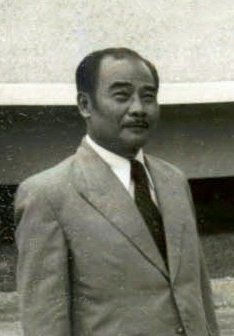
In this biography
Quick facts
- Born
- 10 November 1945
- Birthplace
- Houaphanh Province, Laos
- Country
- Laos
- Nationality
- Lao
- Known for
- Leading Laos as party general secretary and president
- Foreign minister
- 2006–2016
- Prime minister
- 2016–2021
- President
- 2021–present
- Party office
- LPRP general secretary, 2021–present
Why this life matters
Thongloun’s career connects foreign policy, executive government and the concentration of party and state leadership during a period of regional integration and economic strain.
Timeline
Key moments
Born in Houaphanh
Born in northeastern Laos on 10 November.
Entered senior diplomacy
Began serving as deputy foreign minister after work in education and government research.
Became deputy prime minister
Combined the deputy premiership with responsibility for planning and investment.
Became foreign minister
Combined the foreign affairs portfolio with deputy premiership.
Became prime minister
Led the government during expanding regional infrastructure links.
Took top party and state offices
Became LPRP general secretary and president of the Lao PDR.
Re-elected
The party and National Assembly returned him to both leading offices.
Education, the revolution and public service
Thongloun Sisoulith was born in Houaphanh Province near the end of the Second World War. He studied at a teacher-training institution associated with the Neo Lao Hak Sat and worked in the movement’s education department during the civil war. From 1969 to 1973 he served in its representative office in Hanoi, linking his early career to both education and the external relationships of the revolutionary movement.
He later earned a degree in language and literature at the Herzen pedagogical institute in Leningrad and pursued doctoral study in the history of international relations in Moscow. Between those periods he lectured in Vientiane and worked in the education ministry. This combination of teaching, languages and Soviet training supplied an unusual foundation for the diplomatic career that followed.
Planning, parliament and foreign affairs
Thongloun became deputy foreign minister in 1987 and later served as a minister responsible for labour and social welfare. He joined the National Assembly, chaired its foreign affairs committee and in 2001 became deputy prime minister and head of the planning and investment body. Those appointments placed him across both domestic economic coordination and Laos’s dealings with development partners.
From 2006 to 2016 he combined the deputy premiership with the foreign affairs portfolio. The decade covered deeper ASEAN cooperation, expanding economic ties with China, longstanding relations with Vietnam and Thailand, and wider engagement with international institutions. It also made Thongloun one of the Lao officials most visible outside the country before the National Assembly elected him prime minister in April 2016.
Party and state leadership
As prime minister from 2016 to 2021, Thongloun led the government while cross-border infrastructure and regional trade links expanded. In January 2021 the party congress elected him general secretary of the Lao People’s Revolutionary Party, and the National Assembly elected him state president that March. Holding the leading party and state offices made him the country’s highest-ranking political figure.
The party re-elected him general secretary on 8 January 2026, and the new National Assembly returned him to the presidency on 23 March. His second term began after inflation had eased from earlier highs but with public debt, limited reserves, productivity and social spending still major policy constraints. The dual office concentrates responsibility for managing those pressures while pursuing the government’s regional-integration and development agenda.
Quick answers
Frequently asked questions about Thongloun Sisoulith
- Who is Thongloun Sisoulith?
- Thongloun Sisoulith is a president and LPRP general secretary. Thongloun’s career connects foreign policy, executive government and the concentration of party and state leadership during a period of regional integration and economic strain.
- What is Thongloun Sisoulith best known for?
- Thongloun Sisoulith is best known for leading Laos as party general secretary and president.
- When and where was Thongloun Sisoulith born?
- Thongloun Sisoulith was born on 10 November 1945 in Houaphanh Province, Laos.
Keep exploring
Lives connected to this story
- Somdy Douangdy
Explore Somdy Douangdy’s planning and finance career, including fiscal-policy statements during Thongloun’s 2016–2021 premiership.
- Khemmani Pholsena
Read about Khemmani Pholsena’s trade-policy career and her documented January 2026 service heading the Lao President’s Office.
- Somsavat Lengsavad
Read about predecessor Somsavat Lengsavad’s foreign-ministry career, ASEAN participation and later economic coordination.
- Bouasone Bouphavanh
Compare the earlier prime minister’s state-planning career, resignation and subsequent economic research work.
- Bounnhang Vorachith
Read about his predecessor’s distinct provincial career and separately dated party and state leadership.
- Phankham Viphavanh
Continue to the former education minister who became prime minister as Thongloun moved to the presidency in 2021.
Sources and further reading
Explore the evidence
These references support the biography and offer further reading. Official records, first-person accounts and independent reporting provide different perspectives; image records document attribution and licensing.