In this biography
Quick facts
- Born
- 1951
- Birthplace
- Huaphan Province, Laos
- Country
- Laos
- Nationality
- Lao
- Known for
- Education cooperation and a 2021–2022 premiership during severe economic pressure
- Birth
- 1951, Huaphan Province
- Education portfolio
- 2010–2016, including deputy-premier responsibilities from 2014
- Vice-president
- From 2016, before the premiership
- Prime minister
- 22 March 2021–30 December 2022
- Departure
- Publicly cited health difficulties
- Successor
- Sonexay Siphandone
Why this life matters
His career connects regional education programmes and cross-border energy cooperation with the economic pressures facing Laos during the pandemic period.
Timeline
Key moments
Birth in Huaphan
Year and province recorded by Japan’s embassy.
Education and sports
Began the ministerial period recorded in the embassy biography.
Education cooperation
Joined the July Australian programme announcement and co-chaired the September ASEAN Plus Three education meeting.
Vice-president
Moved from the deputy premiership and education portfolio to the vice-presidency.
Japanese decoration
Grand Cordon of the Order of the Rising Sun announced on 3 November.
Prime minister
Elected by the National Assembly on 22 March.
Singapore visit and departure
Visited Singapore on 27–28 September; Sonexay succeeded him on 30 December.
Huaphan background and education administration
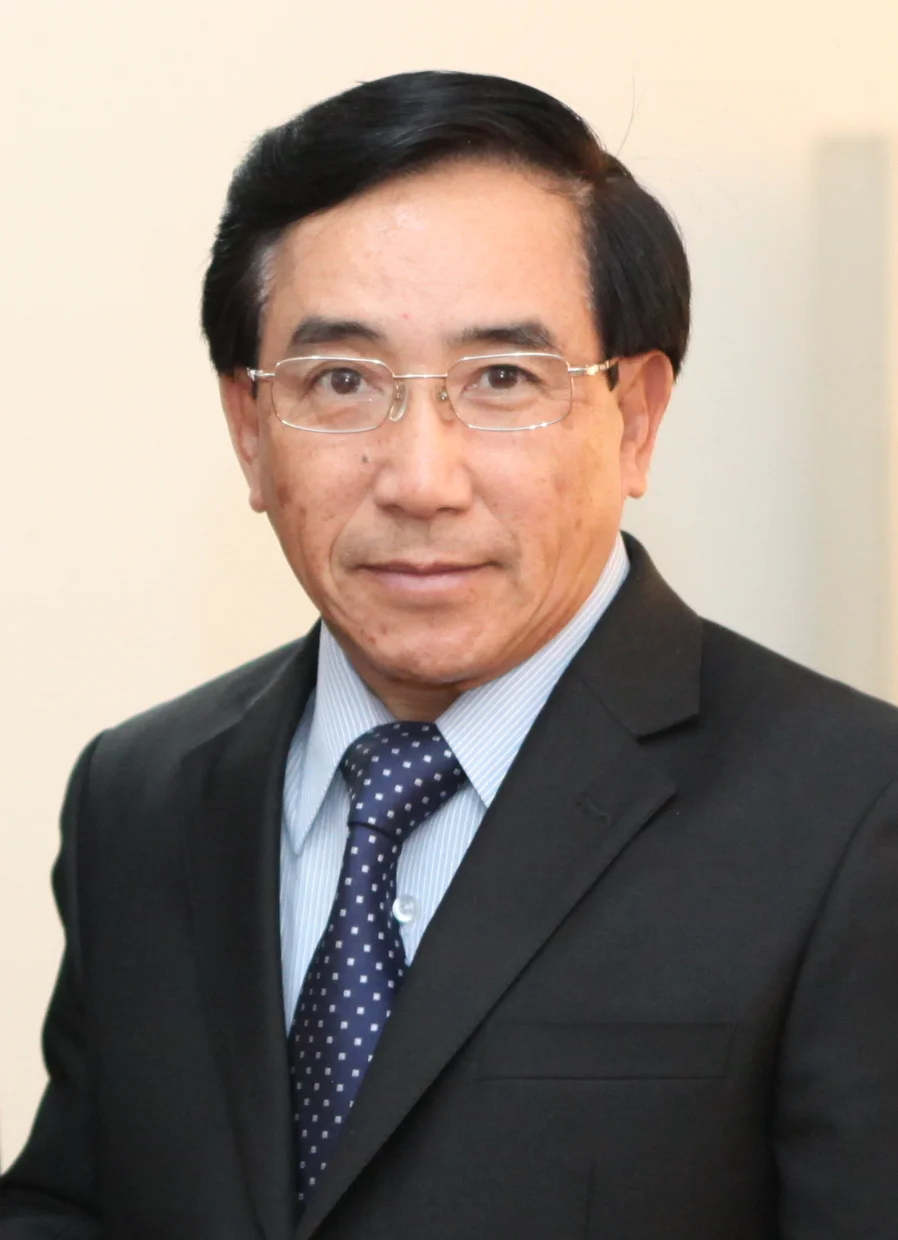
Phankham Viphavanh was born in Huaphan Province in 1951. Japan’s embassy records that he earned a doctorate in the Soviet Union before returning to Laos. The available biography establishes that qualification without naming a university or a subject, so neither is added to his educational record here.
His later national responsibilities included the Ministry of Education and Sports from 2010 to 2014. He then combined that portfolio with the deputy premiership during 2014–2016. This progression places education administration before his vice-presidency and premiership, rather than treating those offices as one continuous job.
Sources for this section: [1]
Schools and regional education cooperation
On 5 July 2014, Phankham joined Australian foreign minister Julie Bishop for the announcement of the A$86 million Basic Education Quality and Access Program. It was a government development-assistance programme intended to strengthen basic education, not a personal grant to the minister or proof that its intended outcomes had already been achieved.
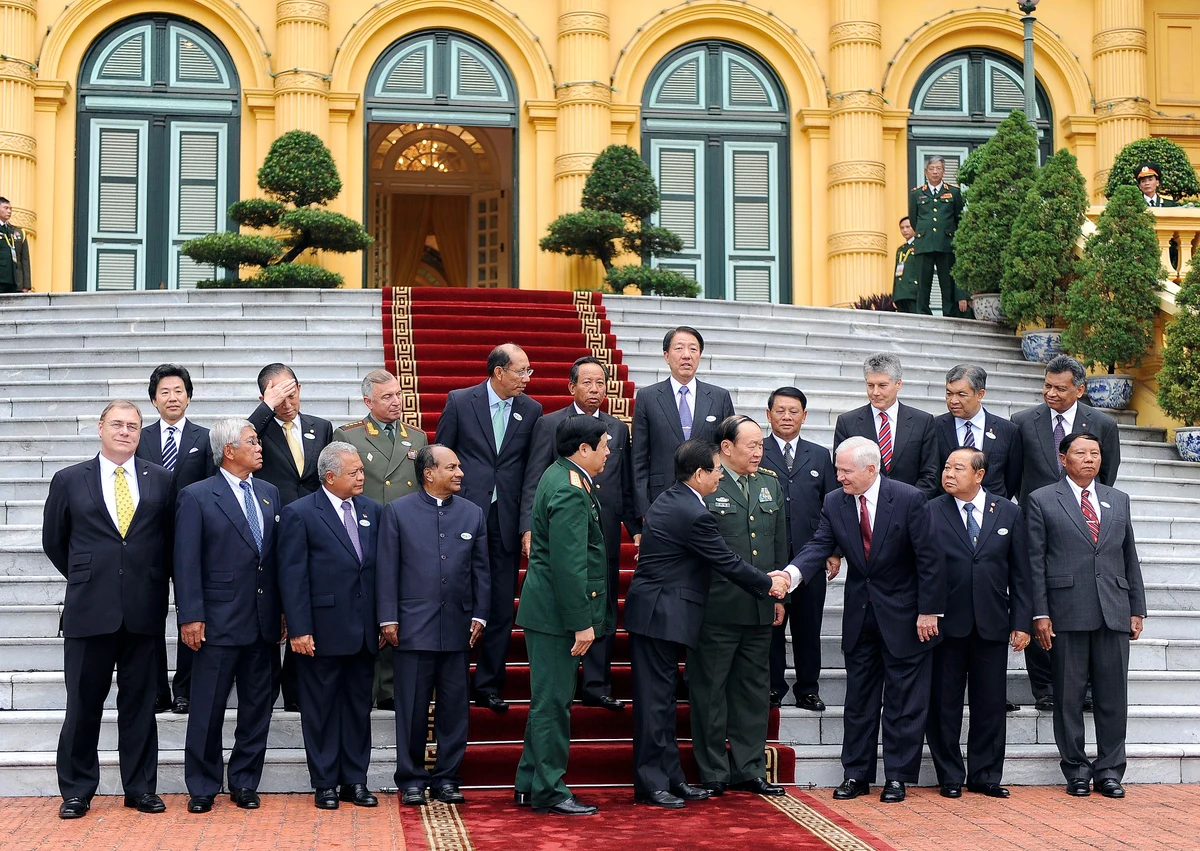
On 12 September 2014, he co-chaired the second ASEAN Plus Three education ministers’ meeting in Vientiane with South Korea’s Hwang Woo-yea. Its agenda included cooperation over qualifications, student mobility and educational development. These records show specific regional responsibilities beyond a general list of ministerial titles.
Vice-presidency, premiership and international links
Phankham became vice-president in 2016. Japan announced the Grand Cordon of the Order of the Rising Sun for him on 3 November 2019, recognising bilateral relations. The National Assembly subsequently elected him prime minister on 22 March 2021, placing him at the head of a new government.
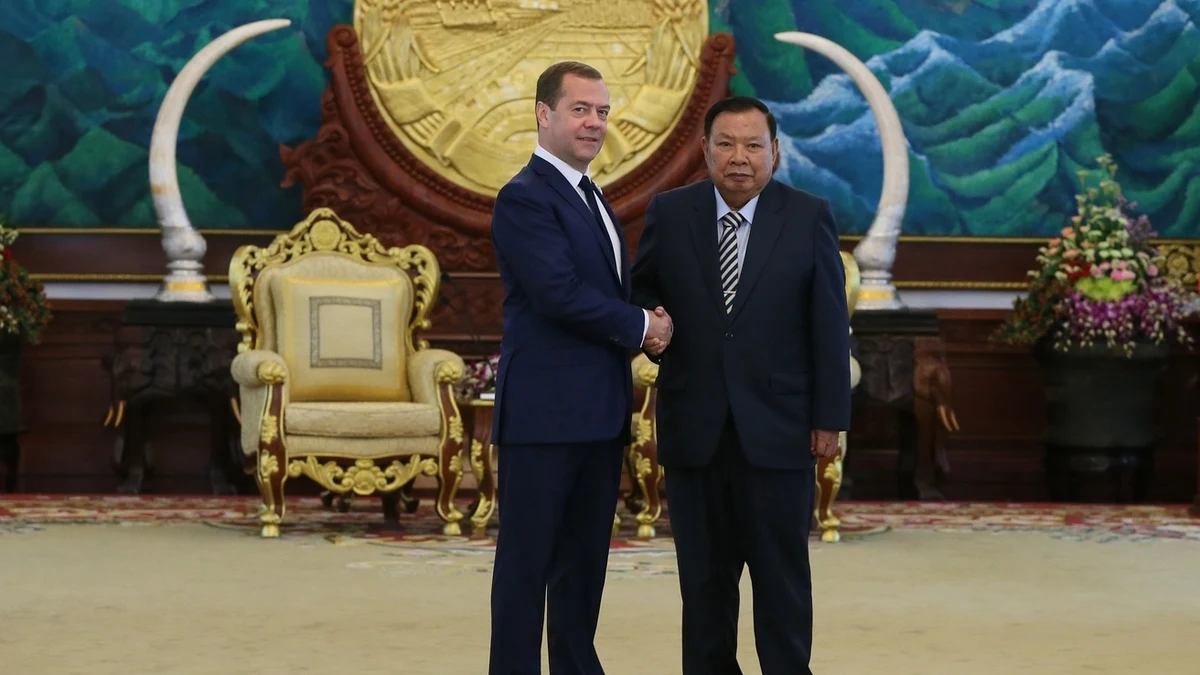
During an official visit to Singapore on 27–28 September 2022, discussions covered skills, digital cooperation and energy connectivity. Singapore’s foreign ministry highlighted electricity trading from Laos through Thailand and Malaysia to Singapore. The cross-border project illustrates the regional economic relationships surrounding his government, rather than an undertaking attributable to one leader alone.
Economic pressure and the December 2022 departure
His premiership coincided with pandemic disruption, fuel shortages and severe inflation. AFP’s contemporary report described those economic pressures when covering his departure. They are important context for the period, but they do not by themselves establish an undisclosed political reason for his resignation.
On 30 December 2022, Sonexay Siphandone succeeded him. Phankham publicly cited health difficulties in stepping down. His actual tenure therefore ended in 2022, notwithstanding descriptions of a planned 2021–2025 government term. The later economic challenges and the stated health explanation should remain separate from speculation about internal party decisions.
Quick answers
Frequently asked questions about Phankham Viphavanh
- When was Phankham Viphavanh prime minister?
- He served from 22 March 2021 until 30 December 2022.
- Who succeeded Phankham?
- Sonexay Siphandone succeeded him as prime minister on 30 December 2022.
- What did he do before becoming prime minister?
- His earlier offices included education and sports minister, deputy prime minister and vice-president.
- Why did he resign?
- He publicly cited health difficulties. Economic pressure forms part of the context, but is not proof of an undisclosed cause.
Keep exploring
Lives connected to this story
- Sonexay Siphandone
Read about his successor as prime minister in December 2022 and the later move to legislative leadership.
- Thongloun Sisoulith
Read about the former prime minister who became president as Phankham took the premiership.
- Kaysone Phomvihane
Place this later premiership alongside an earlier period of Lao party-state leadership.
Sources and further reading
Explore the evidence
These references support the biography and offer further reading. Official records, first-person accounts and independent reporting provide different perspectives; image records document attribution and licensing.
- 1. Embassy of Japan in Laos · 2019 biography1951 Huaphan birth, qualifications, portfolios and decoration
The embassy verifies 1951 and Huaphan. Its retrospective anniversary wording is not used to move the vice-presidency back to 2015. The November 2019 release announces a decoration and schedules a ceremony; it does not prove attendance.
- 2. Australian foreign minister · 5 July 2014Basic Education Quality and Access Program announcement
- 3. ASEAN Plus Three · joint statement12 September 2014 education meeting and co-chairs
- 4. Vietnam News Agency · March 2021Election as prime minister and cabinet approval
- 5. Singapore MFA · September 2022Official visit and cross-border cooperation
- 6. Lao News Agency KPL · 30 December 2022Sonexay’s succession
- 7. AFP via Bangladesh Sangbad SangsthaStated health reason and contemporary economic context
The publicly stated health explanation is attributed. The article’s reported age conflicts with the embassy’s explicit birth year and is not repeated.
- 8. Wikimedia Commons · U.S. Embassy2014 portrait crop and U.S. government-work rationale
Commons applies PD-USGov-DOS to the U.S. Embassy photograph even though its Flickr copy has a restrictive label. The underlying U.S. government authorship, not the Flickr label alone, supplies the rationale.