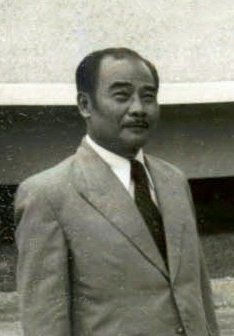
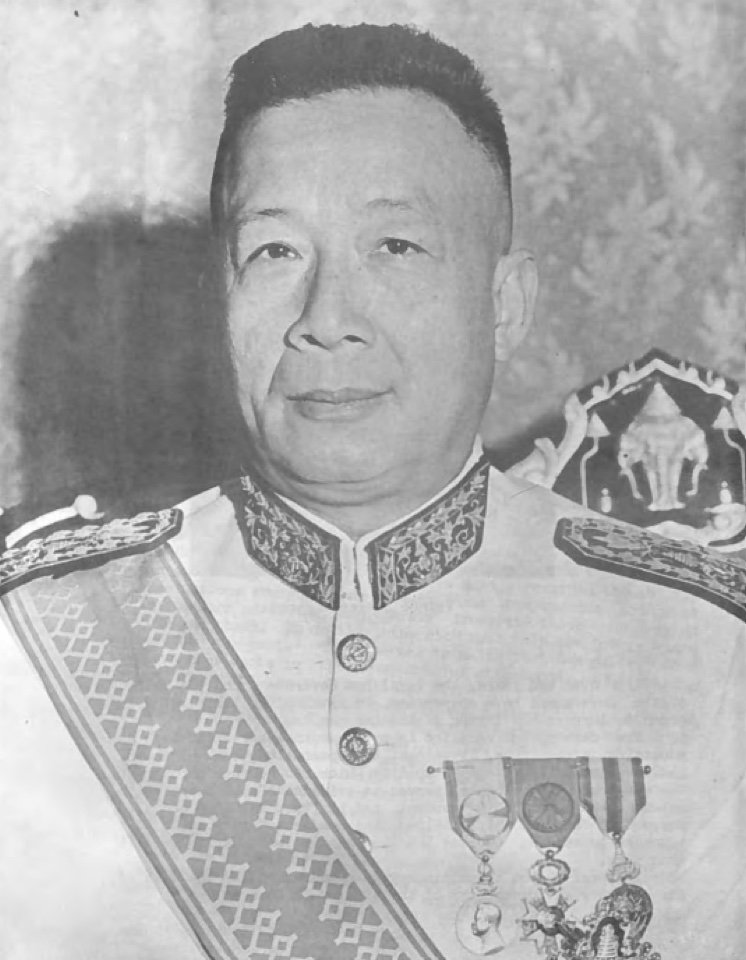
In this biography
Quick facts
- Born
- 7 October 1901
- Died
- 10 January 1984
- Birthplace
- Luang Prabang, Laos
- Country
- Laos
- Nationality
- Lao
- Known for
- Leading four governments and seeking a neutral settlement to civil war
- Office
- Prime minister in four periods, 1951–1975
- Political position
- Neutralist
- Profession
- Engineer and civil servant
- Family connection
- Half-brother of Phetsarath and Souphanouvong
Why this life matters
Souvanna Phouma personified the search for coalition and neutrality as Lao politics fractured among royalist, neutralist and revolutionary forces.
Timeline
Key moments
Born in Luang Prabang
Born into the royal house and later trained as an engineer in France.
First became prime minister
Led the kingdom during the final phase of independence from France.
Returned as a neutralist
A military coup brought him back to head a government committed to neutrality.
Coalition and Geneva settlement
Led a tripartite government after international agreement on Lao neutrality.
Vientiane ceasefire agreement
A new settlement prepared another coalition after years of civil war.
Monarchy ended
Left office as the Pathet Lao established the Lao PDR.
Engineer, nationalist and prime minister
Souvanna Phouma was born into the Luang Prabang royal family and trained as an engineer in France. He worked in the colonial public service before joining the Lao Issara independence government in 1945 and following it into exile in Thailand the next year. When most of the movement accepted a French offer of greater autonomy in 1949, he returned to pursue independence through the institutions of the Kingdom of Laos.
He first became prime minister in 1951 and served again during the negotiations and political realignments that followed full independence. Unlike the revolutionary course taken by his half-brother Souphanouvong or the strongly anticommunist position of right-wing generals, Souvanna argued that a neutral government including competing factions offered the best chance of keeping Laos intact and outside permanent control by either Cold War bloc.
The neutralist crisis and Geneva settlement
Captain Kong Le’s August 1960 coup restored Souvanna to office on a platform of neutrality and an end to corruption. Right-wing forces led by General Phoumi Nosavan rejected the government, and fighting divided the country while the United States, Soviet Union, neighbouring states and both Vietnams backed different sides. Souvanna became the internationally recognised centre of a proposed compromise even when he could not govern securely from Vientiane.
The three rival camps agreed on a cabinet in June 1962. The Geneva Declaration on the Neutrality of Laos then required respect for Lao sovereignty and the withdrawal of foreign military personnel. Souvanna headed the tripartite government and retained defence-related portfolios; Souphanouvong and Phoumi served as deputy premiers. The arrangement represented an elaborate diplomatic settlement, but it depended on forces inside and outside Laos accepting restraints they soon evaded.
A coalition that survived mostly in name
Pathet Lao ministers withdrew from Vientiane in 1963, and the coalition survived increasingly as a legal framework rather than a functioning union. Souvanna remained prime minister while the Royal Lao Government relied on extensive American aid and the Pathet Lao, supported by North Vietnam, enlarged the territory it controlled. His position was therefore both central and constrained: foreign governments treated him as the legitimate premier, but he could not command all armed forces operating inside Laos.
The 1973 Vientiane agreement brought a ceasefire and another provisional coalition, yet the regional balance changed decisively when communist forces prevailed in Vietnam and Cambodia. The Pathet Lao assumed full power in 1975, the monarchy was abolished and Souvanna left office. He stayed in Laos until his death in 1984. His career shows both the diplomatic appeal of neutrality and the limits of constitutional compromise during an internationalised civil war.
Quick answers
Frequently asked questions about Souvanna Phouma
- Who was Souvanna Phouma?
- Souvanna Phouma was a neutralist prime minister of the Kingdom of Laos. Souvanna Phouma personified the search for coalition and neutrality as Lao politics fractured among royalist, neutralist and revolutionary forces.
- What is Souvanna Phouma best known for?
- Souvanna Phouma is best known for leading four governments and seeking a neutral settlement to civil war.
- When and where was Souvanna Phouma born?
- Souvanna Phouma was born on 7 October 1901 in Luang Prabang, Laos.
- When did Souvanna Phouma die?
- Souvanna Phouma died on 10 January 1984.
Sources and further reading
Explore the evidence
These references support the biography and offer further reading. Official records, first-person accounts and independent reporting provide different perspectives; image records document attribution and licensing.