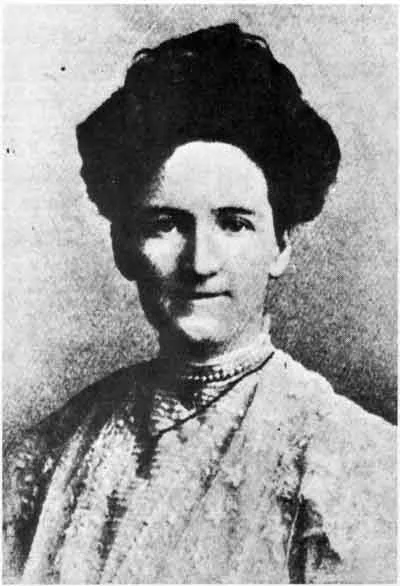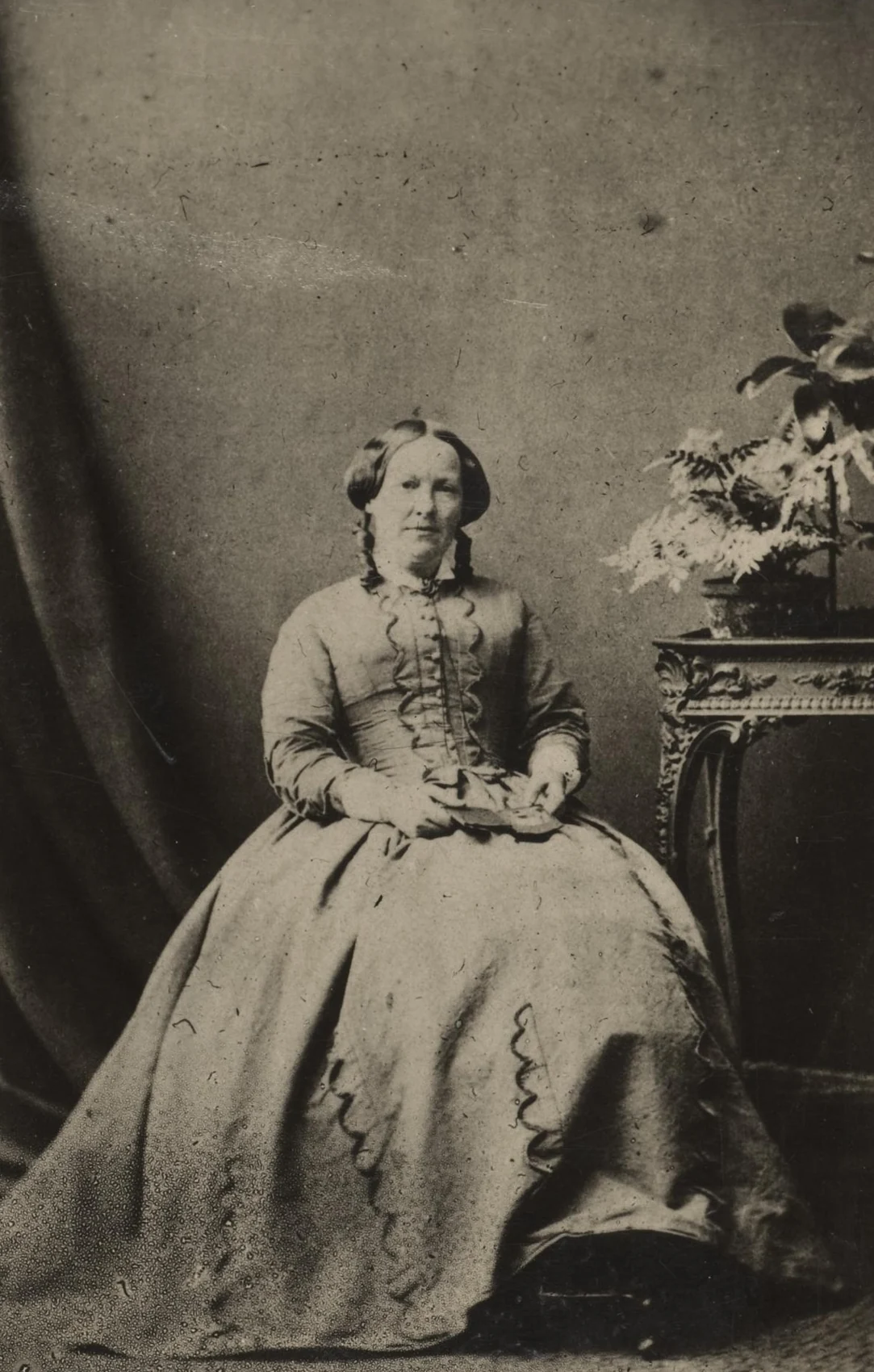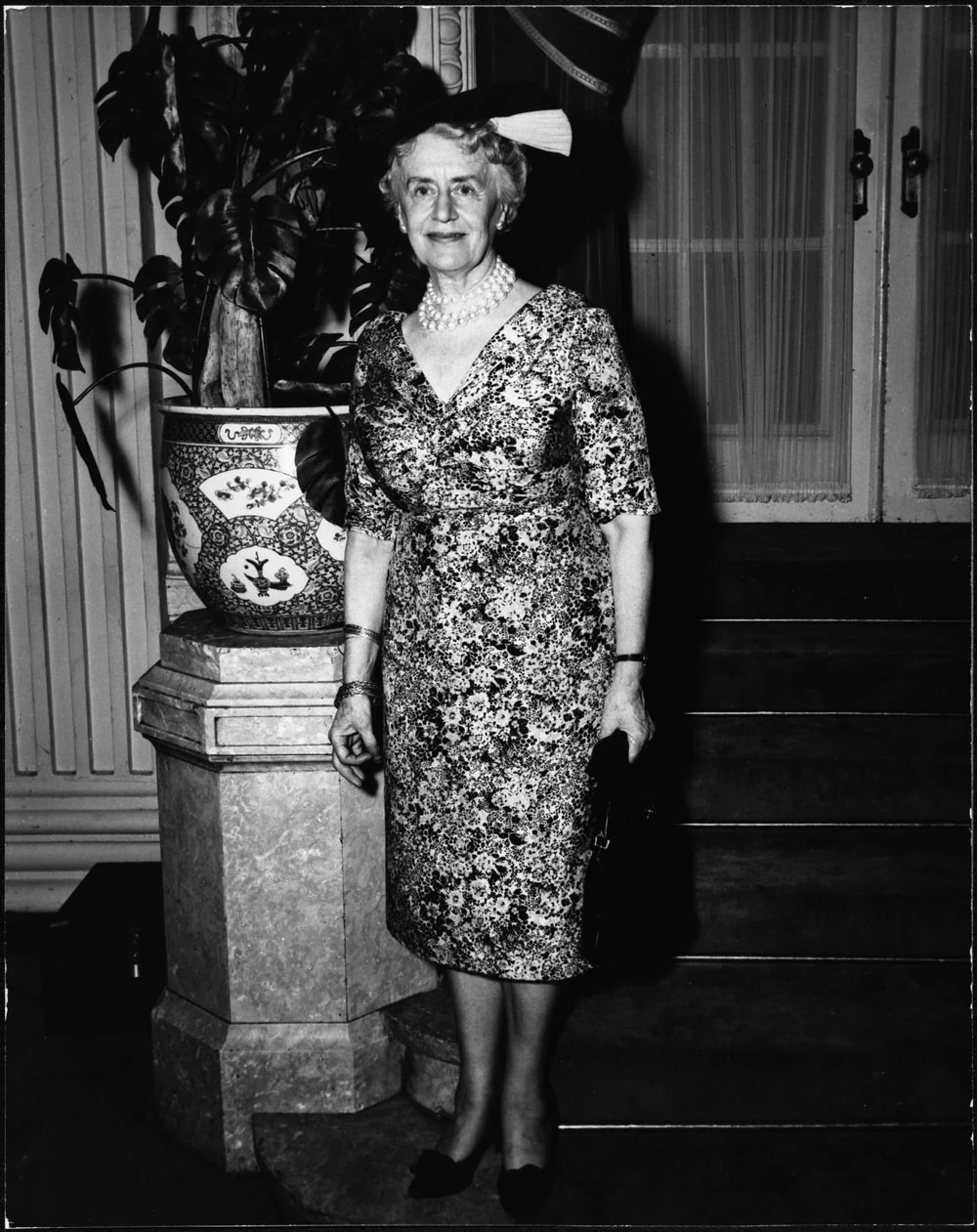
In this biography
Quick facts
- Born
- 1896
- Died
- 1981
- Birthplace
- Montréal, Québec, Canada
- Country
- Canada
- Nationality
- Not independently established
- Known for
- Québec women’s provincial enfranchisement
Why this life matters
She linked coalition work to a change in electoral law, then tested how much political access that law had created.
Timeline
Key moments
Party convention
Joins a delegation pressing for a commitment to enfranchisement.
Provincial franchise
Québec changes voting and candidacy rules.
Party leadership
Leads Québec’s branch of the CCF.
Senate service
Serves in the Senate of Canada.
From Montréal to provincial organising
Born in Montréal, Casgrain entered a movement that depended on overlapping committees and organisations. Her campaign for women’s political rights was directed at Québec’s provincial institutions. Supporters needed an audience in the legislature, a case that could survive repeated defeats, and a network able to sustain attention between debates. Casgrain became a visible participant in that longer effort.
A legislative opening built by many people
The movement included Marie Lacoste Gérin-Lajoie and Idola Saint-Jean as well as Casgrain. Provincial organisers used petitions, delegations and pressure on political parties. In 1939 Casgrain and other delegates pressed the Liberal Party for a commitment. The resulting political opening helped lead to the 1940 legislation. The campaign’s many participants should be distinguished from those who had the authority to introduce and enact the bill.
Party work after enfranchisement
Casgrain ran in elections without winning a seat and in 1951 became leader of Québec’s branch of the Co-operative Commonwealth Federation. The apparent contrast is instructive: a person could direct a party organisation while failing to win a constituency. She also helped create organisations in the peace and women’s movements. Her range of work extends beyond the single issue for which she is most often remembered.
Public office by another route
She served in the Senate of Canada in 1970 and 1971. This was a federal role and came decades after the provincial campaign. Reading her career across levels of government helps avoid a misleadingly simple progression from suffrage to election. Her work included organisational leadership, unsuccessful candidacy and a federal appointment, each with its own basis of authority.
Sources for this section: [2]
Quick answers
Frequently asked questions about Thérèse Casgrain
- Was Casgrain Québec’s first elected woman legislator?
- No. Her suffrage work and her later federal Senate service were separate from Marie-Claire Kirkland’s 1961 provincial election.
Keep exploring
Lives connected to this story
- Nellie McClung
Compare campaigning in Manitoba, where the provincial chronology was different.
- Vida Goldstein
Read how the opening of candidacy shaped a different national contest.
Sources and further reading
Explore the evidence
These references support the biography and offer further reading. Official records, first-person accounts and independent reporting provide different perspectives; image records document attribution and licensing.
- 1. Bibliothèque de l’Assemblée nationale du Québec1849–1940: le long chemin vers le droit de vote et d’éligibilité
- 2. Women and Gender Equality CanadaThérèse Casgrain (1896–1981)
- 3. Élections QuébecHistoire du droit de vote et d’éligibilité des femmes au Québec
- 4. Élections QuébecThe 80 years of Québec women’s right to vote