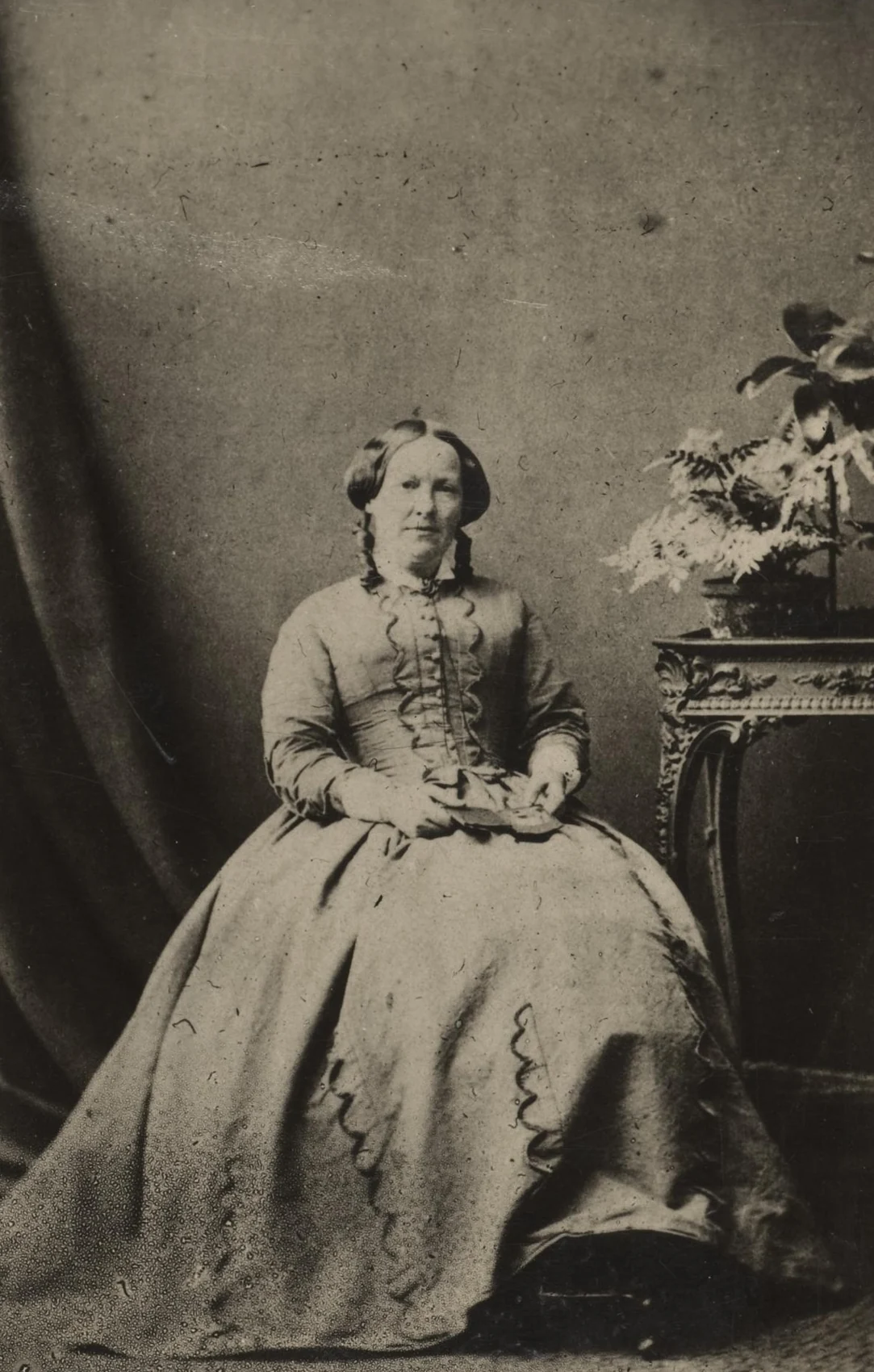
In this biography
Quick facts
- Born
- 13 April 1869
- Died
- 15 August 1949
- Birthplace
- Portland, Victoria, Australia
- Country
- Australia
- Nationality
- Not independently established
- Known for
- The 1903 federal campaign and independent women’s politics
Why this life matters
Her campaigns show how the right to stand for office created room for independent candidacies before it produced seats in Parliament.
Timeline
Key moments
Federal candidacy
Stood for the Senate in Victoria.
Political publishing
Launched The Woman Voter.
Peace organising
Helped form the Women’s Peace Army.
A political apprenticeship in Victoria
Goldstein was born in Portland and spent her school years in Victoria. Her mother’s reform work brought her into the campaign for votes for women. She learned from Annette Bear-Crawford, whose organisation brought several women’s groups into a common suffrage effort. This early work required skills that a ballot would not supply: negotiating priorities, persuading volunteers and keeping a campaign visible over several years.
Sources for this section: [1]
From eligibility to candidacy
In 1903 Goldstein sought a Victorian seat in the federal Senate. She was among four women who contested the national election that year. Her campaign did not produce a seat, but it made a newly available legal route visible. The contest was also a test of an independent platform, with an organised women's association supporting a candidate who did not stand on an established party ticket.
The press and the peace movement
Goldstein edited the Woman’s Sphere and later the Woman Voter. The publications offered an outlet between election campaigns, when a candidate had no access to a parliamentary platform. During the First World War she redirected much of her work towards peace. The Women’s Peace Army, founded in 1915, placed anti-war organisation beside her earlier commitments to equal pay and women’s political independence.
A life wider than the first campaign
Goldstein tried again for federal office, contesting seats in both houses over the following years. Reading those campaigns alongside the publishing and peace work changes the measure of her career. Winning office was one possible outcome. Keeping an independent programme in public circulation after an unsuccessful election was another form of sustained political work.
Quick answers
Frequently asked questions about Vida Goldstein
- Was Goldstein elected to the federal Senate?
- No. She contested federal elections without winning a seat.
Keep exploring
Lives connected to this story
- Rose Scott
Compare an organiser who also prized independence from political parties.
- Edith Cowan
Follow a later candidate who entered a state parliament.
- Annette Bear-Crawford
Explore Annette Bear-Crawford’s career in suffrage and social-reform organiser and the documented study The Queen’s Shilling Fund: From Clinic to Hospital.
Sources and further reading
Explore the evidence
These references support the biography and offer further reading. Official records, first-person accounts and independent reporting provide different perspectives; image records document attribution and licensing.