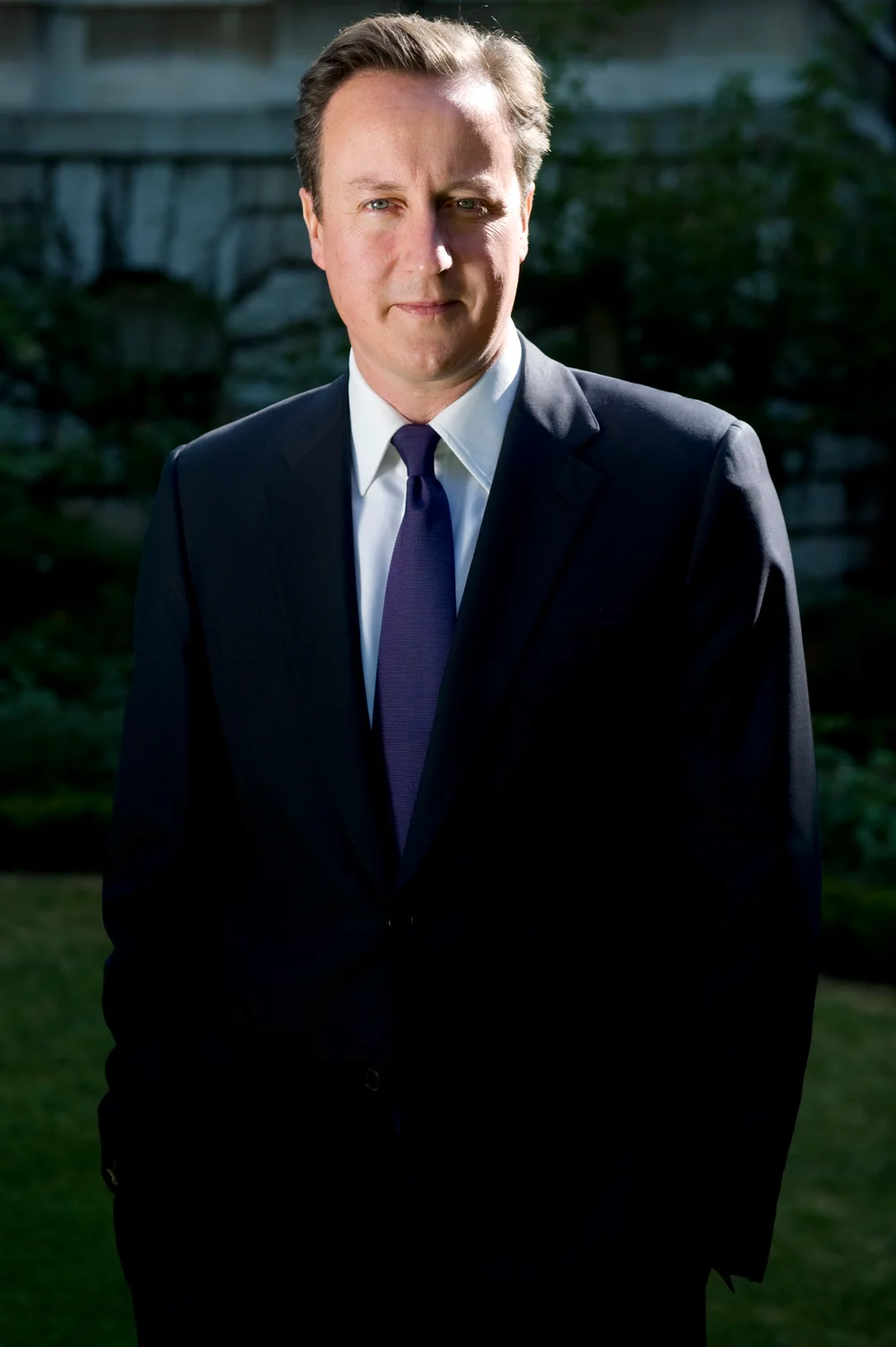
In this biography
Quick facts
- Born
- 9 July 1916
- Died
- 17 July 2005
- Birthplace
- Broadstairs, Kent, England
- Country
- United Kingdom
- Nationality
- Not independently established
- Known for
- Leading Britain into the European Communities while confronting industrial and economic crises.
- Prime minister
- 1970–1974
- Conservative leadership began
- 1965
- Commons service ended
- 2001
- Accession record
- Commons approval in 1971; domestic Act in 1972
Why this life matters
His career connects the postwar Conservative transformation, Britain’s European accession and the difficulty of governing through economic disruption.
Timeline
Key moments
Born in Kent
Born in Broadstairs on 9 July 1916.
Entered Parliament
Began a Commons career that continued until 2001.
Conservative leader
Succeeded to the leadership before the 1970 election victory.
Prime minister
Led the government during European accession and industrial conflict.
European decision
Urged the Commons to approve the negotiated principle of entry.
Death
Died on 17 July 2005.
Education, war and a route into politics
Edward Heath was born on 9 July 1916 in Broadstairs, Kent. The official government biography emphasises his working-class parents and grammar-school education, a different route from that of several earlier Conservative leaders. An organ scholarship helped take him to Balliol College, Oxford, where he studied philosophy, politics and economics. Music remained part of his life alongside politics.
Travels in continental Europe during his student years exposed him to fascism and dictatorship. He later served in the Second World War, reached lieutenant-colonel rank and worked briefly in the Civil Service. Those experiences help locate his later European commitment in a generation shaped by conflict; they do not make his eventual policy choices inevitable.
Sources for this section: [1]
From parliamentary organiser to party leader
Heath entered Parliament in 1950 and became government chief whip under Anthony Eden. He supported Harold Macmillan’s attempt to bring Britain into the European Community. His advancement therefore included party management and European negotiations before he became prime minister following the 1970 general election.
Chosen Conservative leader in 1965, he faced Harold Wilson across the party divide. Victory at the 1970 general election brought Heath into Downing Street. Describing this as an electoral victory should not erase the preceding work of colleagues, civil servants and negotiators, or turn the party’s mandate into an endorsement of every later government measure.
Sources for this section: [1]
A European policy with several documentary stages
On 28 October 1971, Heath urged MPs to approve the government’s decision in principle to join the European Communities on the negotiated arrangements. The motion passed 356–244. His closing argument placed Britain’s choice within changing relations among Europe, the United States and other major powers. It is evidence of his case for entry, rather than independent proof that every prediction would be fulfilled.
The European Communities Act 1972 supplied a domestic legal mechanism. Its section 2 addressed treaty-derived rights and obligations, while section 3 addressed legal interpretation and evidence. The Commons motion and the enacted statute performed different jobs. Reading them together makes Heath’s achievement more precise than treating one parliamentary vote as the whole accession process.
Industrial conflict and a disputed domestic record
Heath’s premiership also faced unemployment, economic-policy changes and major disputes with organised labour. The official biography singles out the miners’ strikes of 1972 and 1974 and the three-day week. Its compressed account presents conflict through the government’s predicament; a full assessment would also require union records, economic data and the experience of affected households and workplaces.
These pressures complicate a portrait centred only on Europe. Heath’s government tried to reshape the domestic economy while making a major international commitment. The outcomes should be assessed separately: persistence on European integration did not establish the success of all his industrial policies.
Sources for this section: [1]
A long parliamentary afterlife
Heath remained in the Commons until 2001, eventually becoming Father of the House. He was an outspoken critic of Margaret Thatcher and maintained interests in conducting, playing music and competitive sailing. He died on 17 July 2005. His public life extended far beyond his single premiership.
The useful historical contrast is between durable commitment and contested performance. Official biography supplies the outline; his 1971 speech preserves his own strategic reasoning; the 1972 statute shows the institutional form through which part of that programme operated. None alone is a final verdict on his government.
Quick answers
Frequently asked questions about Edward Heath
- When was Edward Heath prime minister?
- He served from 1970 to 1974. The biography uses years rather than reconciling exact transfer-of-office days from differing historical indexes.
- Did the 1971 Commons vote itself implement Community law?
- No. The approval motion and the European Communities Act 1972 were different records with different functions.
Keep exploring
Lives connected to this story
- Harold Macmillan
Macmillan’s earlier European application helped form Heath’s ministerial experience.
- Harold Wilson
Wilson was Heath’s principal electoral opponent.
- Alec Douglas-Home
Heath served under Douglas-Home before later employing him as foreign secretary.
Sources and further reading
Explore the evidence
These references support the biography and offer further reading. Official records, first-person accounts and independent reporting provide different perspectives; image records document attribution and licensing.
- 1. UK GovernmentPast Prime Ministers: Edward Heath
Complete short official biography and birth/death fields read from saved HTML; its causal interpretation of industrial conflict is treated as an institutional summary, not a complete economic history.
- 2. UK Parliament, HansardEuropean Communities: Commons debate and division, 28 October 1971
Saved actual Hansard opening motion, Heath’s closing speech opening at columns 2202–2205, final division 480 and lists/resolution read. Full debate downloaded but not all intervening speeches read.
- 3. The National Archives, legislation.gov.ukEuropean Communities Act 1972, original enacted text, chapter 68
Original PDF pages 1–5 read: contents, royal-assent heading, sections 1–2 and section 3(1)–(3), including treaty definitions. Later text and schedules downloaded but not represented as fully read.