
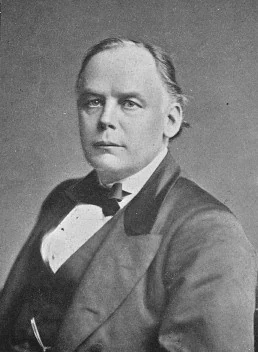
In this biography
Quick facts
- Born
- 1833
- Died
- 1891
- Birthplace
- Not independently established
- Country
- United Kingdom
- Nationality
- Not independently established
- Known for
- The struggle over parliamentary affirmation and the Oaths Act of 1888
Why this life matters
Bradlaugh’s repeated elections exposed a conflict between constituency choice and the religious form required for admission to Parliament.
Timeline
Key moments
Affirmation claimed
Bradlaugh submits his claim at the table.
Ordinary oath taken
His individual admission is secured.
Law changes
A general statutory affirmation option follows.
A public identity before election
Charles Bradlaugh was a secularist, republican and editor associated with the National Reformer. His views were widely known before he won election for Northampton in 1880. That election did not immediately settle whether he could sit and vote. Parliamentary admission required an additional formal step, and his religious position turned that step into a prolonged constitutional dispute. The issue brought political representation into contact with rules framed around a religious oath.
Claiming a right to affirm
On 3 May 1880 Bradlaugh claimed permission to make an affirmation. He relied on legislation that allowed certain people to affirm in courts of law. The question was whether those provisions also entitled him to affirm as a member of the Commons. When he later attempted to take the ordinary oath, opposition continued. Repeated exclusions and further elections showed that the constituency’s decision and the House’s position were proceeding on different tracks.
Admission and a wider legal change
In 1886 Speaker Peel refused to entertain another objection, and Bradlaugh took the oath in its ordinary form. Two years later he secured legislation allowing affirmation more generally, including for people without religious belief and those whose beliefs made oaths objectionable. These events supplied different remedies: an individual entered Parliament before the wider statutory option was established. Bradlaugh died in 1891. His career makes the timing and scope of procedural reform visible in a way that a list of election victories alone cannot.
Quick answers
Frequently asked questions about Charles Bradlaugh
- What is Charles Bradlaugh known for?
- The struggle over parliamentary affirmation and the Oaths Act of 1888.
Keep exploring
Lives connected to this story
- John Wilkes
Compare another conflict between repeated election and parliamentary recognition.
Sources and further reading
Explore the evidence
These references support the biography and offer further reading. Official records, first-person accounts and independent reporting provide different perspectives; image records document attribution and licensing.