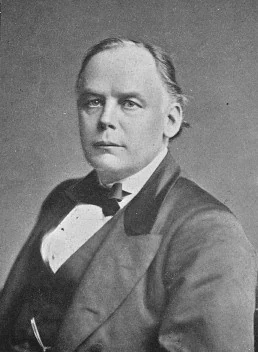
In this biography
Quick facts
- Born
- 1773
- Died
- 1835
- Birthplace
- Not independently established
- Country
- United Kingdom
- Nationality
- Not independently established
- Known for
- Peterloo, popular parliamentary reform and presenting an early women’s suffrage petition
Why this life matters
Hunt carried the language of public meetings into disputes over representation and parliamentary accountability.
Timeline
Key moments
Meeting and petition
The Manchester gathering is followed by Hunt’s appeal.
Voting petition
Hunt presents an individual woman’s petition.
A politics of public meetings
Henry Hunt became known as an orator associated with the campaign to reform parliamentary representation. He accepted an invitation to chair the Manchester meeting of 16 August 1819. In his later petition he explained that the advertised purpose was to consider constitutional means of securing reform of the Commons. The document connects an organised public gathering with the attempt to influence an institution from which most of its participants were excluded.
Peterloo and a contested account
The meeting became known as Peterloo after cavalry dispersed the crowd. Hunt was imprisoned, and his own account challenged the way officials represented the gathering and its organisers. His petition described instructions to remain peaceful and alleged obstacles to obtaining a hearing against those responsible for the violence. It is valuable evidence of what he claimed and sought from Parliament. Its allegations require identification as the position of an interested participant rather than a final court finding.
Representation from another position
Hunt later represented Preston in Parliament. In 1832 he presented a petition from an individual woman asking for the vote, linking an argument about taxation and legal obligation to political representation. Parliament’s collections also preserve a much later suffrage postcard showing him at Peterloo. The postcard reveals how later campaigners used that earlier event in their own history. Hunt’s career therefore reaches from mass protest to parliamentary advocacy and into the political memory constructed after his death in 1835.
Quick answers
Frequently asked questions about Henry Hunt
- What is Henry Hunt known for?
- Peterloo, popular parliamentary reform and presenting an early women’s suffrage petition.
Keep exploring
Lives connected to this story
- John Wilkes
Compare another radical’s dispute over the relationship between electors and the Commons.
Sources and further reading
Explore the evidence
These references support the biography and offer further reading. Official records, first-person accounts and independent reporting provide different perspectives; image records document attribution and licensing.