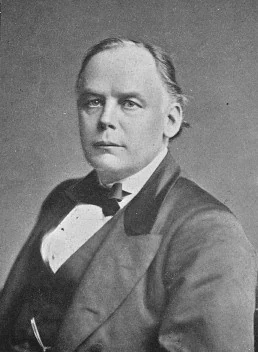
In this biography
Quick facts
- Born
- 1725
- Died
- 1797
- Birthplace
- London
- Country
- United Kingdom
- Nationality
- Not independently established
- Known for
- The Middlesex election controversy, resistance to general warrants and parliamentary reporting
Why this life matters
Wilkes turned disputes about publication and elected membership into arguments about political liberty.
Timeline
Key moments
Conflicting decisions
The Commons recognises Luttrell after a Wilkes victory.
Recognised election
Wilkes enters Parliament for Middlesex.
Publication and arrest
John Wilkes was a London-born journalist and radical politician who entered the Commons for Aylesbury in 1757. An attack on government in the forty-fifth issue of The North Briton brought arrest under a general warrant in 1763. The dispute connected a publication with the power to search for and detain its makers. Parliament expelled Wilkes the following year, but the controversy helped make general warrants a major question of public liberty.
The voters and the House
Wilkes returned from abroad and won Middlesex in 1768. Another expulsion produced a remarkable series of elections. Even while imprisoned, he was returned repeatedly, yet the Commons refused to recognise those victories. In the contested April 1769 election he defeated Henry Luttrell, whom the House nevertheless installed. The episode made the identity of a constituency’s representative depend on a conflict between the electors’ choice and the Commons’ claimed authority over membership.
A wider parliamentary legacy
Wilkes developed a political base in the City of London, eventually serving as lord mayor. He won a recognised return for Middlesex in 1774 and later proposed parliamentary reform. His influence also extended to the publication of debates. The confrontation over printers in 1771 weakened attempts to suppress parliamentary reporting. These were distinct disputes, involving different institutions and remedies, rather than one continuous legal case. Together they explain why a controversial individual became associated with broader arguments about accountable government.
Sources for this section: [1]
Quick answers
Frequently asked questions about John Wilkes
- What is John Wilkes known for?
- The Middlesex election controversy, resistance to general warrants and parliamentary reporting.
Keep exploring
Lives connected to this story
- Charles Bradlaugh
Compare a later conflict between repeated election and admission to the Commons.
Sources and further reading
Explore the evidence
These references support the biography and offer further reading. Official records, first-person accounts and independent reporting provide different perspectives; image records document attribution and licensing.