
The short answer
What was electronic and what was mechanical in Takayanagi’s 1926 television?
Compare the evidence
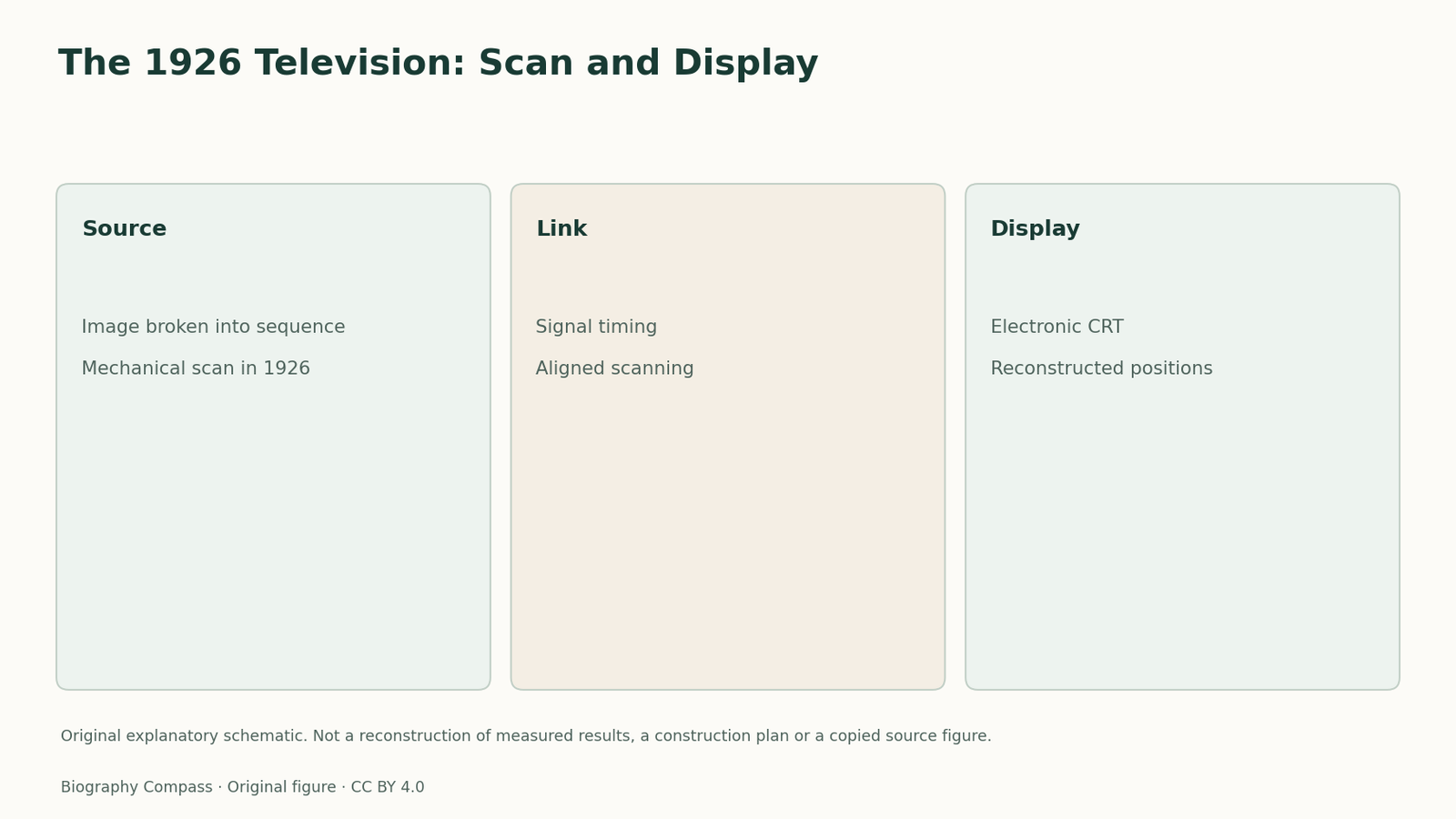
The 1926 Television: Scan and Display
Compare what each inspected record establishes with the claim that remains separate.
| Record or observation | What it supports | What remains separate |
|---|---|---|
| 1926 demonstration account | Specifies mechanical scanning and electronic CRT display | Does not make the entire source-to-screen chain electronic |
| Memorial synchronisation explanation | Connects signal timing with reconstructed image position | Does not supply a performance measurement for the classroom grid |
Divide the system into stages
Television requires an image to be represented as a changing signal and then reconstructed at a receiver. For Takayanagi's 1926 demonstration, the source side used mechanical scanning while a cathode-ray tube supplied the displayed image. This makes the label electronic accurate for an important part of the arrangement without making it a complete description of every stage. The distinction is visible only when scanning, transmission and display are considered separately.
Synchronisation connects time with position
Shizuoka University's memorial account explains the need to align sending and receiving scans. A signal corresponding to one part of the image must reach the appropriate displayed position. Otherwise a working source and a glowing screen do not guarantee a correctly reconstructed character. The IEEE chronology distinguishes the 1926 character demonstration from the later 1935 electronic-system milestone. These dates describe development stages rather than interchangeable claims for the entire invention of television.
Reassemble a numbered image
For an original classroom activity, draw a two-by-two square and number its cells in a chosen order. Write four invented brightness values in that sequence, then reconstruct the square using the same order. Repeat with the receiver starting at a different cell. The answer shows how correct values can produce the wrong image when their positions are misaligned. This small exercise is not Takayanagi's actual scan pattern or a historical resolution measurement. It illustrates why synchronisation is a necessary systems question alongside the choice between mechanical and electronic components.
Continue the chronology
Related history guides
Biography context
Explore Japan through connected lives
Connected biographies
People behind the records
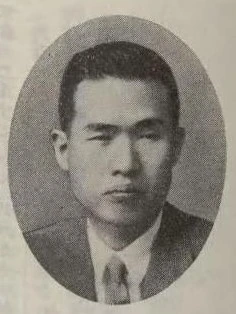
1899–1990
Kenjiro Takayanagi
Television engineer, researcher and educatorA1926 television demonstration using mechanical scanning and a cathode-ray-tube display.Read biography1896–1976
Shintaro Uda
Communications engineer and directional-antenna researcherExperimental development of the Yagi–Uda directional antenna.Read biography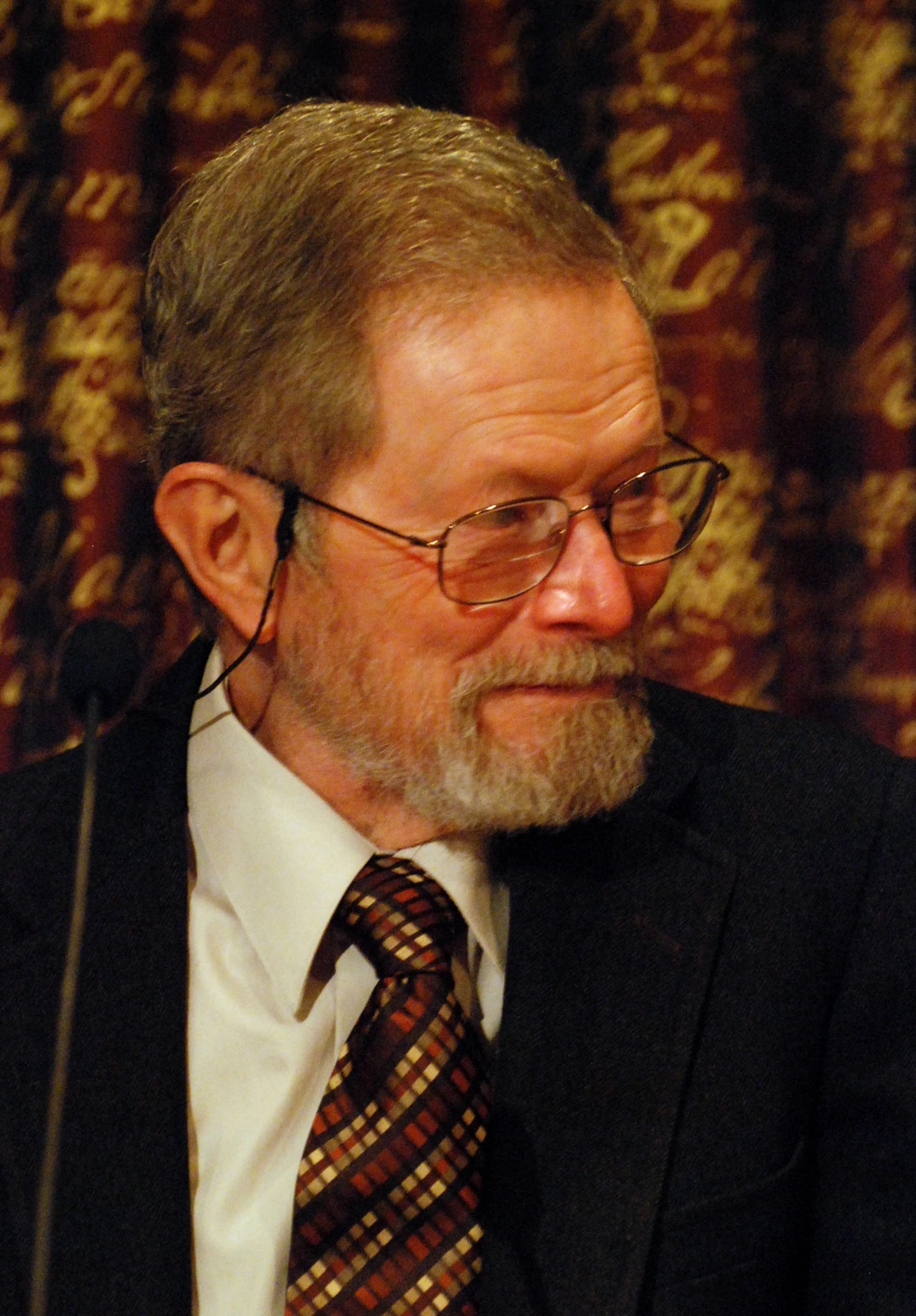
1930–2025
George E. Smith
Applied physicist and semiconductor-device researcherInvention of the charge-coupled device with Willard Boyle.Read biographyQuick answers
Common questions
- What was electronic and what was mechanical in Takayanagi’s 1926 television?
- The 1926 system scanned the source mechanically and displayed it on a cathode-ray tube. Calling the receiver electronic should not make the mechanical source scan disappear from the account.
Primary and institutional sources
How this history was checked
Sources distinguish individual patent or technical records from biographical and retrospective accounts. Their actual reading scope is retained in the biography source notes. This article was reviewed on 7 November 2026.
- IEEE Japan Council milestone recordDevelopment of Electronic Television,1924–1941
- Tokyo Institute of Technology / Science TokyoA passion for innovation—Dr.Takayanagi
- National Museum of Nature and Science, TokyoThe Beginning and Development of Television Technology
- Takayanagi Memorial Hall, Shizuoka UniversityKenjiro Takayanagi archive: television chronology and principle