
The short answer
An early ten-piso note in the Philippine New Design Series featured Apolinario Mabini on his own. A later version also depicted Andrés Bonifacio. A denomination by itself cannot identify a portrait. The series was introduced in stages, beginning with a five-piso issue in 1985. Three issues from its early years show how the selection of people changed.
Reading the records
Identify a portrait by issue
Use the denomination, series and issue period together. The examples describe the portrait side of the early New Design Series.
| Denomination | Issue date | Person or people shown |
|---|---|---|
| 5 piso | 12 June 1985 | Emilio Aguinaldo |
| 10 piso | July 1985 | Apolinario Mabini |
| 500 piso | 1987 | Benigno Aquino Jr. |
| 1,000 piso | 1991 | José Abad Santos, Josefa Llanes Escoda and Vicente Lim |
Chronology
A timeline of the turning points
First denomination
The five-piso note carried the portrait of Emilio Aguinaldo.
Early ten-piso issue
Apolinario Mabini appeared on the front.
Aquino portrait
The new 500-piso note featured Senator Benigno Aquino Jr.
Three wartime figures
The 1,000-piso note presented José Abad Santos, Josefa Llanes Escoda and Vicente Lim.
A series arrived one denomination at a time
The central bank’s denomination chronology places the Aguinaldo five-piso issue on 12 June 1985 and the Mabini ten-piso issue the following month. Those dates precede the People Power Revolution of February 1986. A later historical booklet groups several issues together when discussing currency after the revolution. For the first appearance of an individual design, the denomination-by-denomination record provides the more precise evidence.
A senator and three wartime lives
The 500-piso issue placed the opposition senator Benigno Aquino Jr. on the note in 1987. Four years later the first Philippine 1,000-piso banknote grouped a chief justice, a civic organiser and a soldier. The National Quincentennial Committee places that 1991 design in the commemoration of the fiftieth anniversary of the outbreak of the Second World War in the Philippines. The group portrait joined three individual lives in a particular act of public remembrance.
How to identify an undated reproduction
Begin with the denomination and read the printed names and seal, if visible. The BSP records a later change of seal after the new central bank was established in 1993. It also dates the revised two-portrait ten-piso note to 1997. These details help distinguish reproductions that look similar at first glance. The accompanying photograph of Escoda comes from her 1922 passport application. It identifies the person independently of the later engraved design.
Sources for this section: [1]
Continue the chronology
Related history guides
Connected biographies
People in this history

1869—1964
Emilio Aguinaldo
Revolutionary leader and first president of the PhilippinesA revolutionary commander who declared independence from Spain and became president of the First Philippine Republic.Read biography
1864—1903
Apolinario Mabini
Political thinker and first prime minister of the PhilippinesThe lawyer and political thinker who became Emilio Aguinaldo’s chief adviser and the first prime minister and foreign secretary of the Philippine Republic.Read biography
1932—1983
Benigno Aquino Jr.
Senator and opposition leaderThe senator known as Ninoy whose imprisonment, exile and assassination on returning to Manila transformed opposition to Ferdinand Marcos.Read biography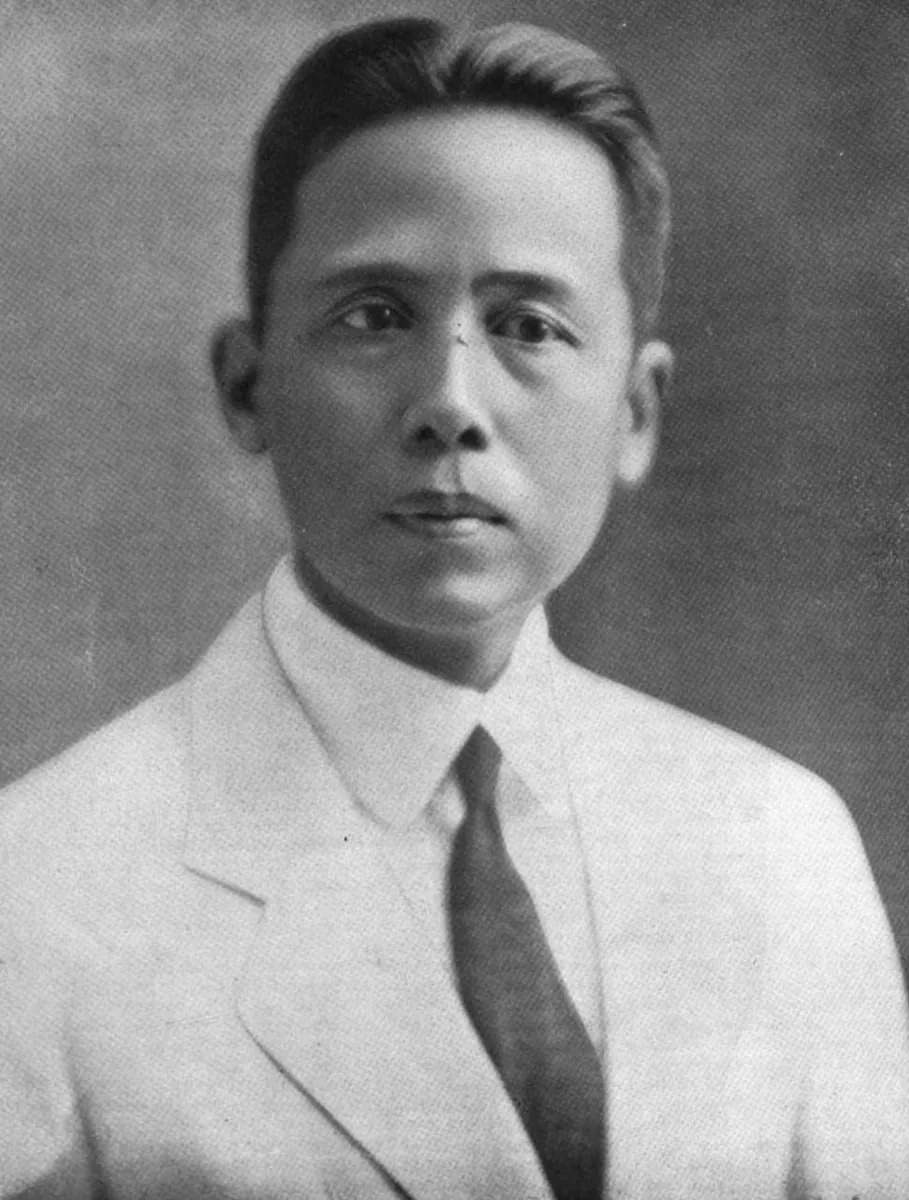
1886—1942
José Abad Santos
Chief justice and wartime presidential delegateA jurist and Commonwealth statesman who carried emergency authority during the Japanese invasion and was executed after refusing to cooperate with the occupation.Read biography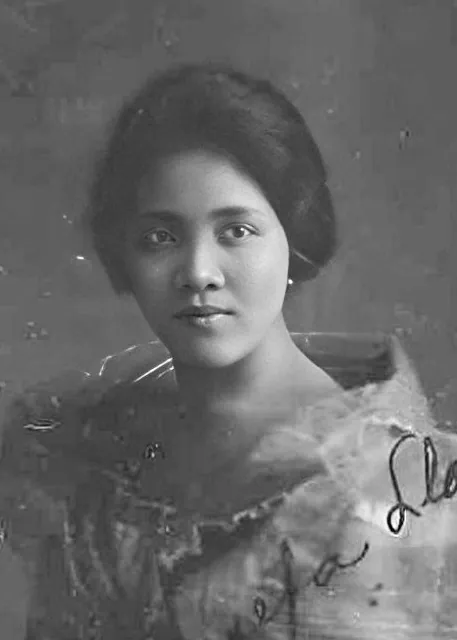
1898—1945
Josefa Llanes Escoda
Social worker, suffragist and wartime humanitarianA social worker and women’s-rights organiser who founded the Girl Scouts of the Philippines, aided wartime prisoners and was killed during the Japanese occupation.Read biography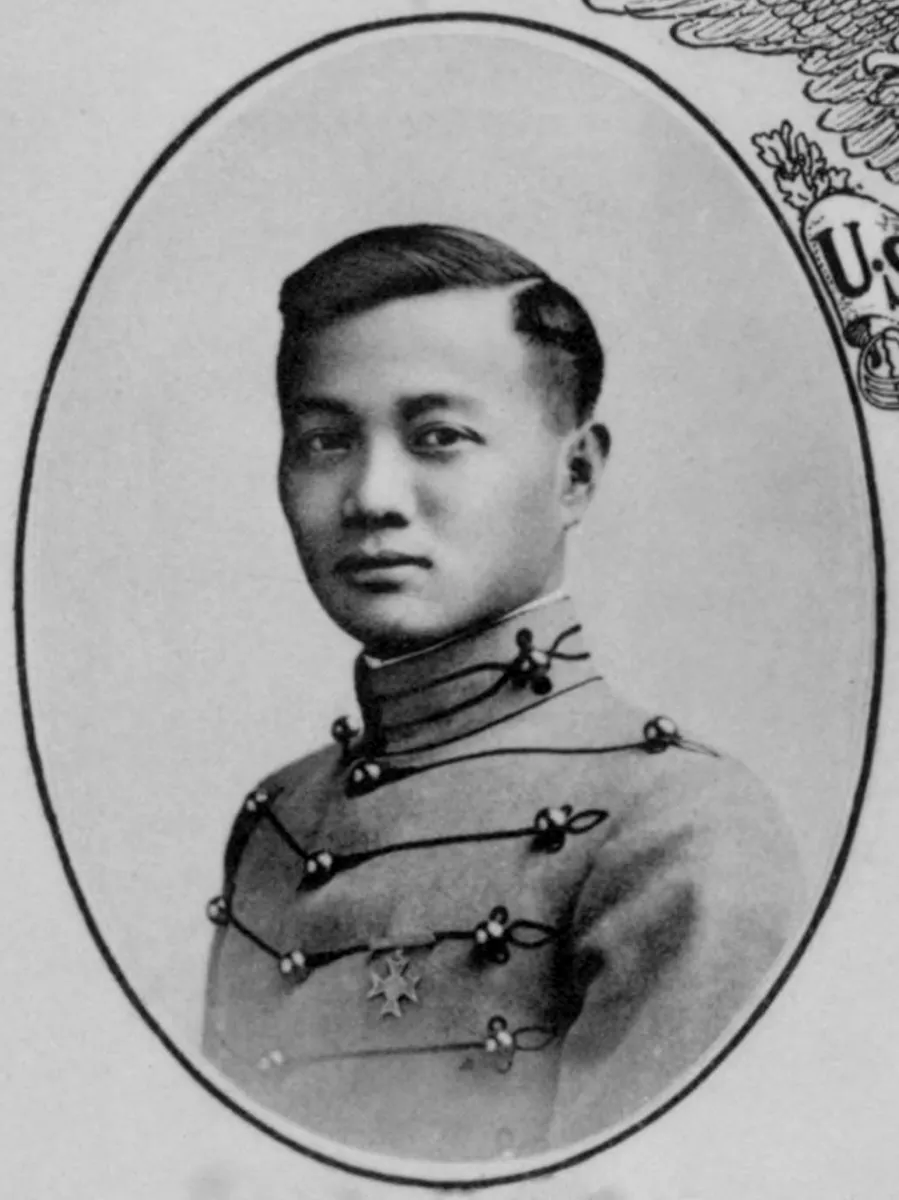
1888—1944
Vicente Lim
Brigadier general and guerrilla organiserThe first Filipino graduate of West Point, a 41st Division commander in Bataan and a guerrilla organiser executed by Japanese forces in Manila.Read biographyQuick answers
Common questions
- Who appeared on the first Philippine 1,000-piso banknote?
- José Abad Santos, Josefa Llanes Escoda and Vicente Lim appeared together in 1991.
- Was Bonifacio present on the original 1985 ten-piso issue?
- The BSP identifies Mabini on the original. A revised design pairing Mabini with Bonifacio appeared in 1997.
Primary and institutional sources
How this history was checked
Dates, legal milestones and historical claims are checked against the official and institutional records below. This article was reviewed on 19 November 2026.