
The short answer
On 7 June 1999 Indonesia held its first parliamentary election after Suharto’s resignation. Forty-eight parties contested 462 elected seats in the national House. Megawati Sukarnoputri’s PDI-P won the largest share of votes and seats, and a separate vote in the People’s Consultative Assembly made Abdurrahman Wahid president in October.
Resolving the seat-count discrepancy
How the five largest parties appear in the KPU tables
The Election Commission’s voter-education module shows two calculations. Its columns compare allocation with and without the proposed pooling of leftover votes, known as stembus accoord.
| Party | Without pooling | With pooling |
|---|---|---|
| PDI-P | 153 | 154 |
| Golkar | 120 | 120 |
| United Development Party (PPP) | 58 | 59 |
| National Awakening Party (PKB) | 51 | 51 |
| National Mandate Party (PAN) | 34 | 35 |
Chronology
A timeline of the turning points
Habibie succeeds Suharto
The transition brings forward the parliamentary election originally expected in 2002.
Voters choose representatives
Voting takes place for the national House and regional legislatures.
National vote totals are announced
The publication of vote results precedes the final distribution of seats.
Seat allocation is completed
The election authorities assign the last seats without the disputed vote-pooling agreements.
The MPR selects Wahid
The assembly’s decree appoints him president. Megawati becomes vice-president.
What changed on the June ballot
The election widened party competition after the New Order and brought the next general election forward. The Inter-Parliamentary Union records that the revised law raised the elected share of the 500-seat Dewan Perwakilan Rakyat, or DPR, from 425 to 462. The other 38 seats were reserved for appointed representatives from the armed forces and police.
The June election also filled provincial and district assemblies. Those local contests and the national House vote were held together. The rules for selecting the president continued to place that decision with a separate assembly.
Why the allocation took until September
Once the votes were counted, parties disagreed over whether agreements to combine unused votes should be recognised when assigning the remaining seats. The commission ultimately decided to calculate these seats without the pooling arrangements. Its voter-education table shows how recognising the agreements would have affected several parties.
The commission’s historical account records 35,689,073 votes for PDI-P, about 33.74 per cent, and 153 seats under the method used. The IPU archive gives PDI-P 154 seats, a figure the commission’s comparative table places in the with-pooling column. For the September allocation, the 153 figure follows the Indonesian commission’s account.
Why the largest party did not determine the presidency
The People’s Consultative Assembly, or MPR, comprised the 500 House members plus 135 regional delegates and 65 group representatives. Winning the largest bloc in the House put PDI-P in a strong position, while the presidential decision depended on support in the larger, 700-member assembly.
On 20 October the MPR appointed Abdurrahman Wahid. Megawati became vice-president. Indonesia later changed the constitutional procedure, and in 2004 voters chose the president and vice-president directly for the first time. The June result and October appointment therefore answer different questions about the 1999 transition.
Continue the chronology
Related history guides
Connected biographies
The president who oversaw the election and the leaders selected in October
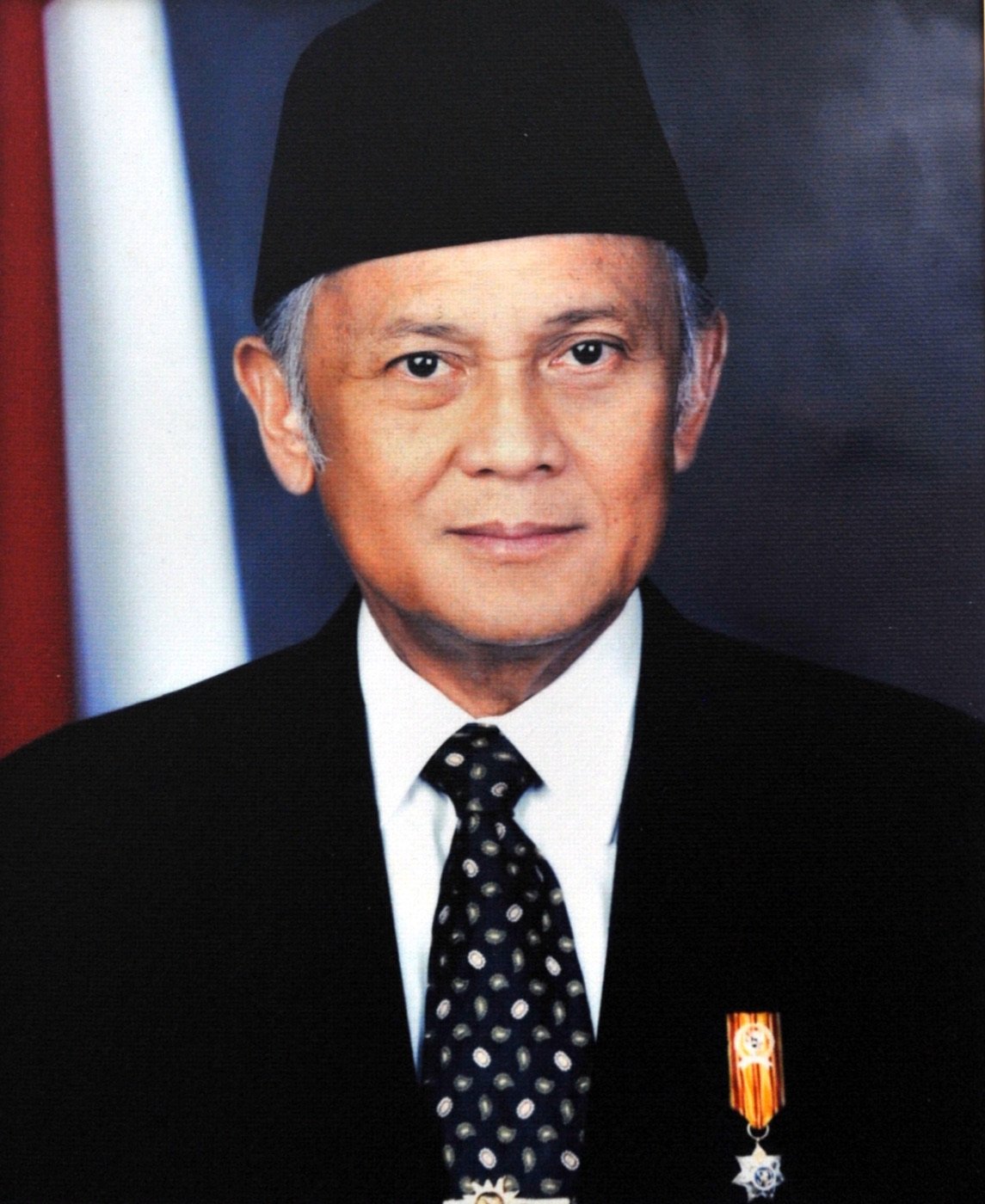
1936—2019
B. J. Habibie
Third President of Indonesia and aerospace engineerIndonesia’s third president was an aerospace engineer whose 1998–1999 government opened elections and press freedoms after Suharto’s resignation.Read biography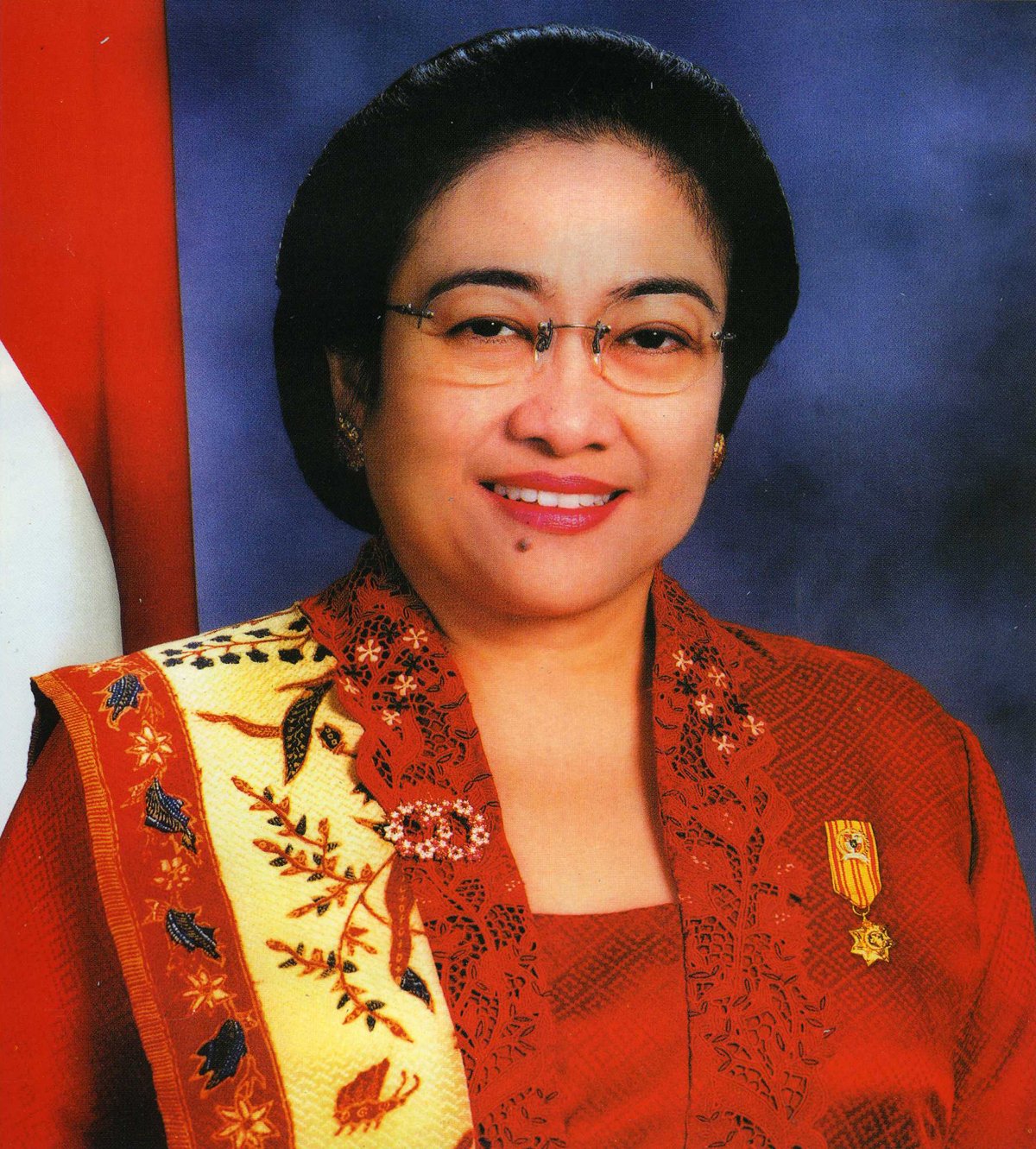
1947—
Megawati Sukarnoputri
Former president of Indonesia and chair of PDI-PIndonesia’s first woman president, an opposition symbol under Suharto and the PDI-P chair who remains central to post-Reformasi politics.Read biography
1940—2009
Abdurrahman Wahid
Fourth President of Indonesia and Muslim intellectualThe Muslim intellectual known as Gus Dur who led Nahdlatul Ulama, defended pluralism and served as Indonesia’s fourth president from 1999 to 2001.Read biographyQuick answers
Common questions
- Who won Indonesia’s 1999 parliamentary election?
- PDI-P won the most votes and the most seats. The Indonesian Election Commission records 153 seats in the allocation used.
- Why do some sources say PDI-P won 154 seats?
- The Election Commission lists 154 in a calculation with proposed pooling of leftover votes. The method used for the September allocation gave PDI-P 153.
- Who chose Indonesia’s president in 1999?
- The People’s Consultative Assembly selected Abdurrahman Wahid on 20 October 1999. Indonesia held its first direct presidential election in 2004.
Primary and institutional sources
How this history was checked
Dates, legal milestones and historical claims are checked against the official and institutional records below. This article was reviewed on 19 November 2026.
- General Elections Commission of Indonesia (KPU)Voter education module, section H on the 1999 election and the two allocation tables
- KPU SekadauElection history covering the dispute over leftover votes and the September allocation
- Inter-Parliamentary UnionContemporary record of the June election and its October outcome
- People’s Consultative Assembly of IndonesiaInstitutional history of the 700-member assembly and constitutional amendments
- People’s Consultative Assembly of IndonesiaDecree VII/MPR/1999 appointing Abdurrahman Wahid
- KPU Toba SamosirElection chronology covering 1999 and the first direct presidential election in 2004