
The short answer
How did the original low dam’s storage and sluices differ from later High Dam functions?
Read the records together
Contributions,evidence and scope
Different records illuminate different parts of this particular undertaking.
| Record | What the record establishes | What remains distinct |
|---|---|---|
| Aird’s historical biography | Documents the contract, payment offer and completion. | Contracting is distinct from sole design authorship. |
| Baker’s engineering biography | Records sluices, height decisions and consulting roles. | Does not provide every operating rule. |
| Project identity | Keeps 1902 Low Dam separate from later High Dam. | A shared place-name does not mean one structure. |
Identify which Aswan dam is being discussed
The structure completed in 1902 was the original Aswan or Low Dam. It must be distinguished from the later High Dam, which belongs to a different period and undertaking. The original scheme developed from proposals for storing Nile water for irrigation. Willcocks’s planning, Baker’s consulting work and Aird’s construction contract addressed different parts of the project. Starting with these names and the date prevents the familiar place-name from becoming a shortcut that merges two structures. This article examines the earlier works rather than narrating the entire subsequent history of Nile management.
Storage and passage of water were coordinated
The historical engineering account describes a masonry dam with numerous sluice openings at different levels. A reservoir’s storage and the controlled release of water were therefore connected functions. The dam was not simply an uninterrupted wall retaining water permanently. Its openings and gates formed part of how it could operate through a changing river regime. This functional explanation follows the documented arrangement; it is not a reconstruction of seasonal operating rules or a claim about the effects of every release. The distinction is useful when reading a plan, because a solid portion and a sluice-bearing portion do different work.
Sources for this section: [2]
A design choice also affected historic structures
The cited biography records that concern about the temples at Philae contributed to a reduction in the proposed dam height. That decision links engineering capacity with the treatment of an existing landscape and its monuments. It should not be read as evidence that the final scheme had no effects on the temples or that every objection disappeared. Aird’s deferred-payment offer addressed another problem: how the government could obtain construction while spreading payment. The height decision, the gate design and the payment arrangement each required a different kind of reasoning, even though they met in the same project.
Separate a dam’s three project questions
On a page, draw three boxes labelled river function, physical construction and payment schedule. Put storage plus controlled release in the first, masonry and gates in the second, and Aird’s deferred-payment offer in the third. Now assess the claim that changing the payment schedule must change the water level. The supported answer is no: finance and hydraulic design are related through the undertaking but are not the same variable. Then add a date label,1902, to prevent the diagram being mistaken for the High Dam. This original exercise uses no invented discharge or reservoir measurements. It explains the constructive contribution of each record without borrowing later engineering achievements for Aird’s contract.
Continue the chronology
Related history guides
Elan Valley: Gravity, Authority and Displacement
Explore how Elan Valley linked an upstream intake and gravity supply with surveys, land acquisition and the public powers granted by the 1892 Act.
Read the timeline1891–1900Fremantle Harbour: Mouth, Bar and Authority
Compare Fremantle’s competing harbour plans, showing why removing the river-mouth bar and dredging mattered to O’Connor’s inner-harbour proposal.
Read the timelineBiography context
Explore United Kingdom through connected lives
Connected biographies
People behind this work
1833–1911
John Aird
Civil engineering contractor and parliamentarianJohn Aird is remembered for leading a contracting business that built major water, dock and railway works, including the original Aswan Dam.Read biography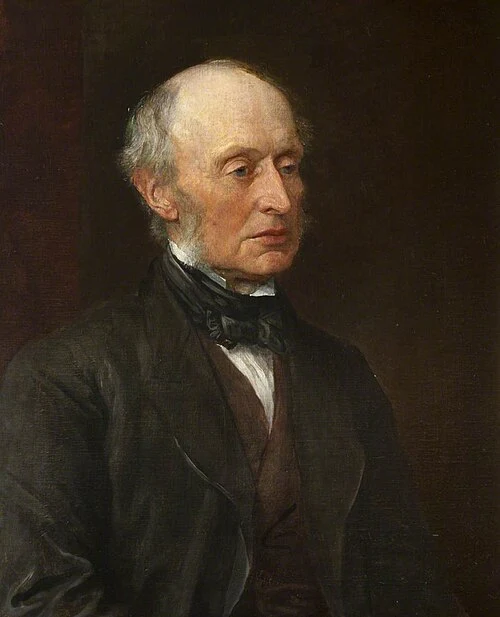
1810–1900
William George Armstrong
Engineer, hydraulic-machinery manufacturer and industrialistWilliam George Armstrong moved from law into hydraulic engineering, then built an international manufacturing business on Tyneside. Cranes, accumulators, guns and warships generated wealth that supported scientific experiments and public gifts, while tying his legacy to the global arms trade.Read biography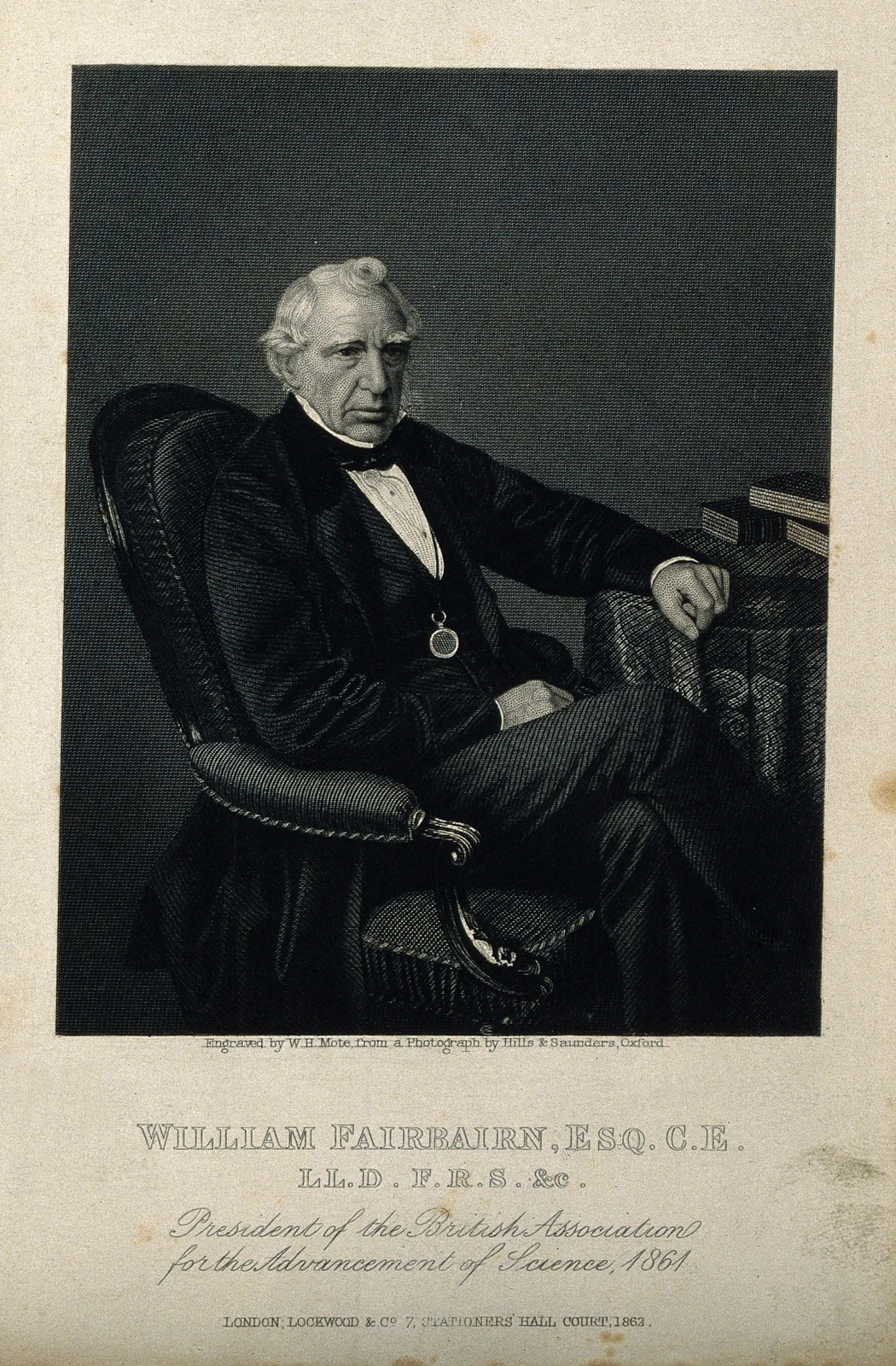
1789–1874
William Fairbairn
Millwright, manufacturer and experimental engineerWilliam Fairbairn moved from millwright work into iron manufacturing, combining structural experiments with the practical organisation of workshops and boiler safety.Read biographyQuick answers
Common questions
- Was Aird’s 1902 dam the later Aswan High Dam?
- No. The 1902 structure was the original Aswan or Low Dam, a separate undertaking from the later High Dam.
Primary and institutional sources
How this history was checked
The cited records distinguish contemporary accounts,official catalogues and later institutional or scholarly interpretation. The comparison and worked exercise are original editorial material. This article was reviewed on 7 November 2026.