In this biography
Quick facts
- Born
- 1 May 1927
- Birthplace
- Bandung, Indonesia
- Country
- Indonesia
- Nationality
- Indonesian
- Known for
- Leading the ASEAN Secretariat as the association prepared its major 1992 institutional reforms
- ASEAN office
- Eighth Secretary-General of the ASEAN Secretariat
- ASEAN term
- 17 July 1989–1 January 1993
- APEC office
- Executive director, 1994
- Name variant
- Rusli Noor in APEC’s records
Why this life matters
Roesli’s term bridged ASEAN’s original Secretariat structure and the 1992 reforms that created a stronger, ministerial-level secretary-generalship.
Timeline
Key moments
Born in Bandung
APEC’s biography gives 1 May 1927.
Government service
Began a diplomatic career including economic assignments overseas.
Nordic ambassadorship
Appointed ambassador to Denmark and Norway.
Director-general
Led foreign economic, social and cultural relations in the Indonesian foreign ministry.
Brussels posting
Served as ambassador before returning to senior ministry work.
ASEAN Secretariat
Succeeded Roderick Yong; completed the term on 1 January 1993.
Secretariat reform protocol
Member governments amended the office’s title, status and responsibilities.
APEC executive director
Led the Singapore-based Secretariat during its second year of operation.
Bandung, education and economic diplomacy
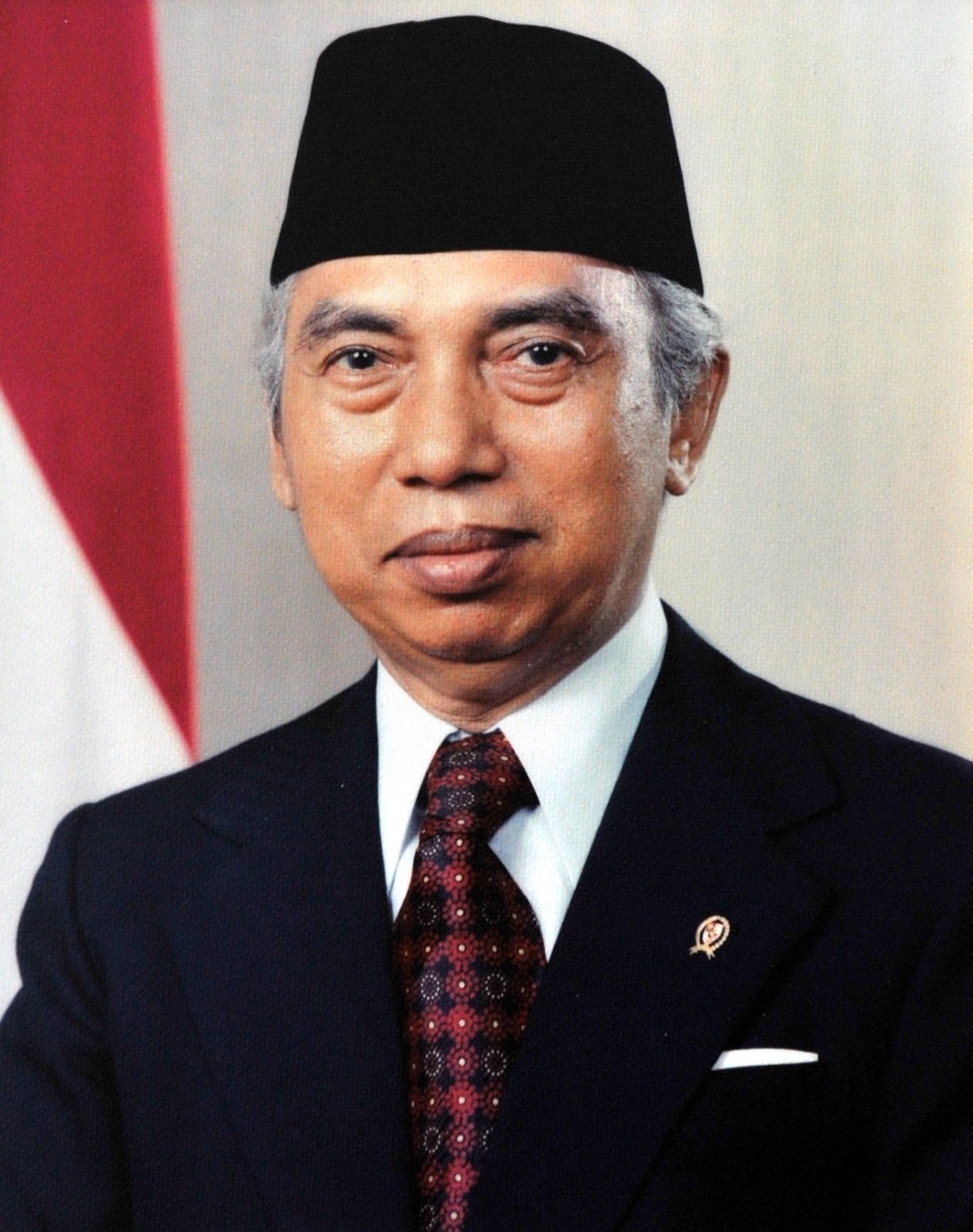
Roesli Noor was an Indonesian diplomat whose name appears as Rusli Noor in APEC records. APEC’s career biography gives his birthplace as Bandung, his birth date as 1 May 1927 and his qualification as a master’s degree in political science from Columbia University. These details place him within the generation that built independent Indonesia’s diplomatic service.
He entered government service in 1950. Early assignments included commercial work in London and service as a trade attaché in Moscow. Later economic postings in The Hague and ministry work on investment and financial cooperation gave his career a sustained economic dimension before he took charge of a regional secretariat. Those national assignments were separate from his later ASEAN and APEC appointments.
Sources for this section: [5]
Ambassadorial work before the ASEAN appointment
Noor became ambassador to Denmark and Norway in 1974. He then served as director-general for foreign economic, social and cultural relations from 1978 to 1983, followed by an ambassadorial posting in Brussels from 1983 to 1986. On returning to Jakarta, he again held senior responsibility for external economic relations.
This sequence explains why his regional career should not be reduced to a name in a list of officeholders. It combined representation abroad with coordination inside a national foreign ministry. It also keeps the geography clear: the Brussels ambassadorship was an Indonesian diplomatic post, not the location of the ASEAN Secretariat, which was based in Jakarta.
Sources for this section: [5]
Eighth Secretary-General of the ASEAN Secretariat
ASEAN’s official former-secretaries-general list dates Noor’s term from 17 July 1989 to 1 January 1993, following Brunei’s Roderick Yong. He was the eighth head of the permanent Secretariat. This was an administrative and coordinating regional office, not the rotating ASEAN chairmanship and not a presidency over the member countries.
The exact term is worth preserving because APEC’s retrospective career sketch abbreviates his ASEAN service differently. For this office, ASEAN’s own succession record is the better reference. Using it also separates the end of Noor’s term from the later career of his successor, Malaysia’s Ajit Singh, rather than giving the two men one continuous appointment.
The 1992 reform that changed the office
During his final period in office, member governments agreed to restructure the Secretariat. The protocol adopted in Manila on 22 July 1992 renamed its head Secretary-General of ASEAN, accorded ministerial status and provided a five-year appointment. It also set out responsibilities for coordination, research, communications, financial administration and support for regional economic cooperation.
The text makes institutional change more precise than a claim that Noor personally transformed ASEAN. Governments negotiated and adopted the amendment; he led the Secretariat during the transition. Its original appointment provisions should also not be silently replaced with the later ASEAN Charter’s rules. A historical protocol describes the legal framework agreed at that time, not every rule applying to the office today.
Sources for this section: [7]
APEC leadership in 1994, a different regional institution
Noor subsequently served as executive director of the APEC Secretariat in 1994. APEC’s official list places him between William Bodde Jr., who served in 1993, and Shojiro Imanishi in 1995. This is a distinct appointment from his earlier ASEAN job, and the dated list is preferable to a loose reference to leadership in the mid-1990s.
The 1994 APEC ministerial statement thanked Rusli Noor and his staff for work during the Secretariat’s second year. It described the office’s role in coordinating programmes and exchanging information among economies and committees. His career thus links two regional administrative institutions without making them interchangeable: ASEAN’s Jakarta Secretariat and APEC’s Singapore Secretariat supported different memberships and processes. That concrete institutional work is the clearest measure offered by the surviving official record.
Quick answers
Frequently asked questions about Roesli Noor
- Are Roesli Noor and Rusli Noor the same diplomat?
- Yes. ASEAN lists Roesli Noor, while APEC’s career record uses Rusli Noor.
- When did Roesli Noor lead the ASEAN Secretariat?
- ASEAN’s official succession record gives 17 July 1989 to 1 January 1993. He was its eighth Secretary-General.
- When was Rusli Noor APEC executive director?
- In 1994. APEC’s official list places William Bodde Jr. in 1993 and Shojiro Imanishi in 1995.
- Was he the rotating chair of ASEAN?
- No. Leadership of the permanent Secretariat was distinct from the chairmanship held by a member government.
Keep exploring
Lives connected to this story
- Roderick Yong
Read about his predecessor at the ASEAN Secretariat.
- Ajit Singh
Follow the successor whose term began under the restructured office.
- Rodolfo C. Severino Jr.
Explore a later ASEAN Secretary-General’s work during different regional challenges.
Sources and further reading
Explore the evidence
These references support the biography and offer further reading. Official records, first-person accounts and independent reporting provide different perspectives; image records document attribution and licensing.
- 1. ASEAN SecretariatFormer Secretaries-General of ASEAN
ASEAN’s indexed official succession listing supplies the exact term. Full retrieval is intermittent, so no additional unviewed speeches or meeting records are claimed.
- 2. United Nations Digital LibraryUnited Nations diplomatic list naming Roesli Noor
- 3. Information Department of Brunei DarussalamBrunei Darussalam Newsletter, August 1989
- 4. Wikimedia CommonsRoesli Noor ambassadorial portrait and public-domain record
- 5. APEC SecretariatPast executive directors: Rusli Noor, 1994, and career biography
Printed page 19 gives personal details and national postings; the contents and heading identify the APEC appointment as 1994. Its compressed 1988–1992 ASEAN dates are not preferred over ASEAN’s own term list.
- 6. APEC1994 APEC Ministerial Meeting: Secretariat work and acknowledgements
The 1994 ministerial statement independently names Rusli Noor and describes the Secretariat’s second operational year. It does not make him the author of every policy adopted by APEC.
- 7. ASEAN member governments / NUS Centre for International Law22 July 1992 protocol amending the ASEAN Secretariat agreement
The NUS Centre for International Law hosts an expressly labelled unofficial transcription of the 22 July 1992 protocol. Its historical five-year appointment provision is not confused with subsequent Charter rules.