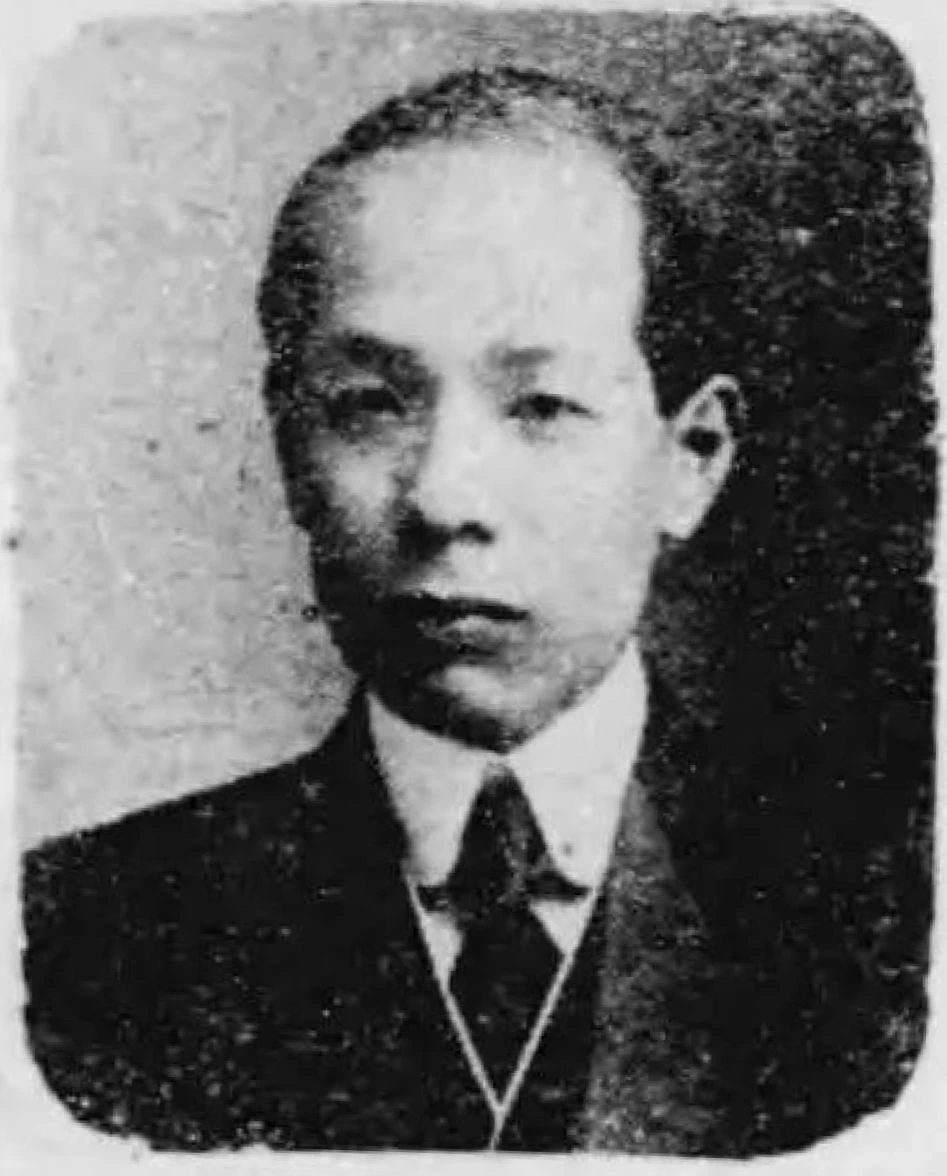
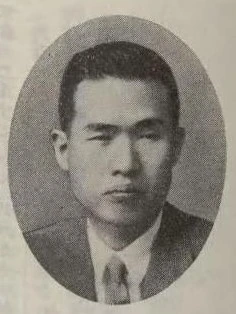
In this biography
Quick facts
- Born
- 1901
- Died
- 1998
- Birthplace
- Not independently established
- Country
- Japan
- Nationality
- Not independently established
- Known for
- Technical coordination of the first Shinkansen and advocacy of distributed traction
- Known for
- Technical coordination of the first Shinkansen and advocacy of distributed traction
Why this life matters
Technical coordination of the first Shinkansen and advocacy of distributed traction.
Timeline
Key moments
A railway engineer formed in the age of steam
Hideo Shima was born in 1901 and studied mechanical engineering at the University of Tokyo. He began his railway career designing locomotives, following an earlier generation that included his father, Yasujiro Shima. His work developed through steam-locomotive construction and the difficult conditions of Japan's wartime and postwar railways. Experience with existing equipment became important to his later choices. The problem was not simply how to build a faster locomotive, but how a railway system could carry more passengers within constraints on vehicles, track and operation.
Sources for this section: [1]
A return to JNR and a different traction arrangement
After leaving Japanese National Railways, Shima returned at the request of president Shinji Sogo to help develop the new high-speed line. His 1994 memoir describes the advantages he saw in distributing power along a multiple-unit train rather than concentrating it in one locomotive. Conventional-line experience helped support the Shinkansen's technical choices. He presented the project as an integration of established techniques, even though their combination produced a substantially new railway. That claim describes his engineering argument, not the absence of testing or development work.
Responsibilities beyond the opening ceremony
Shima and Sogo left JNR in 1963 before the Tokaido Shinkansen opened the following year. Shima later led Japan's National Space Development Agency from 1969 to 1977. He died in 1998. His contribution was both technical and organisational: the train's components had to function within an integrated transport system. A careful account keeps that work beside Sogo's institutional leadership and the contributions of many engineers and manufacturers. It also distinguishes a participant's retrospective explanation from evidence that every proposed advantage was automatically achieved under every operating condition.
Quick answers
Frequently asked questions about Hideo Shima
- What is Hideo Shima known for?
- Technical coordination of the first Shinkansen and advocacy of distributed traction.
Keep exploring
Lives connected to this story
- Shinji Sogo
What did the 1961 World Bank loan finance in the Shinkansen project?
- Hidetsugu Yagi
How should the Yagi–Uda antenna’s invention and international credit be separated?
Sources and further reading
Explore the evidence
These references support the biography and offer further reading. Official records, first-person accounts and independent reporting provide different perspectives; image records document attribution and licensing.
- 1. T.Suga / Japan Railway & Transport Review 16,1998Mr Hideo Shima 1901–1998
Actualobituaryread:birthyear, Tokyoengineering, locomotivecareer, JNRreturn/resignation 1963, spaceagency 1969–77, death 18 March 1998. Conflicting 1925/1926 career-entry and 1955/1956 appointment labels not resolved into exactdates.
- 2. Hideo Shima / Japan Railway & Transport Review 3,1994Birth of The Shinkansen—A Memoir
Actualparticipantprose read:distributedmultiple-unittraction, axle-loadargument, electricbrakingversusfurtherregenerativeimprovement, proventechniquesargument andSogo/resignation. Retrospectiveperspective retained; notindependentperformancetesting.