
The short answer
How did residence and education operate together in the first years of Toynbee Hall?
Read the records together
Evidence, functions and interpretation
Compare the particular records and mechanisms discussed in this study.
| Record or mechanism | What it establishes | The distinct question |
|---|---|---|
| Institutional founding account | Explains resident service and educational intention. | Purpose alone does not measure participation. |
| Historical study of fees | Identifies price, travel and student-composition questions. | Its selected records are not every individual’s experience. |
| Archival series | Distinguish education, residence and financial administration. | A syllabus and an attendance or fee record answer different questions. |
Residence came with an expectation of service
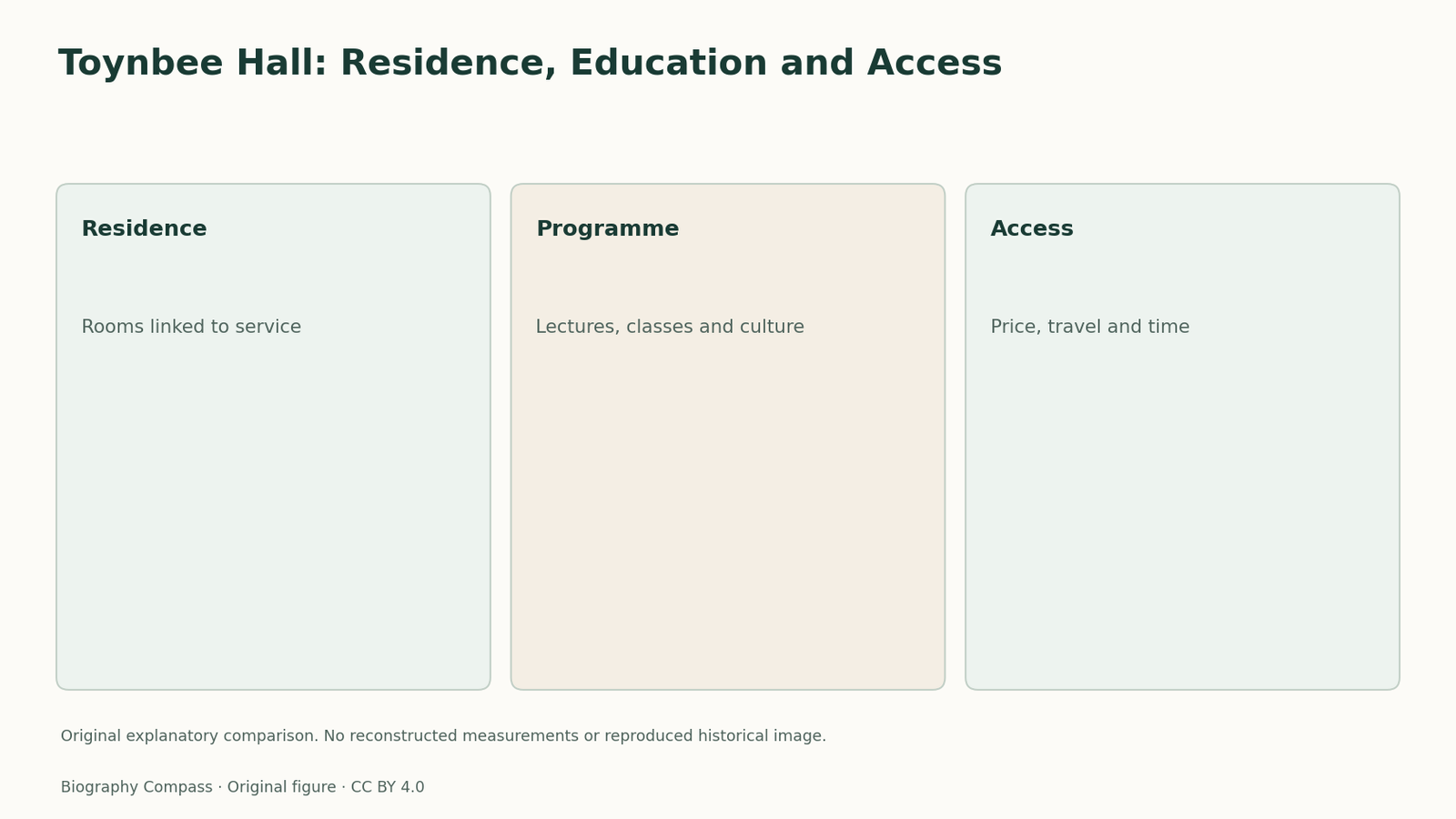
The London Archives history describes Toynbee Hall as a student residence combined with a community centre. Residents could rent rooms on the condition that they contributed to the community work. That arrangement gave the 1884 settlement a continuing body of people nearby, rather than depending entirely on occasional visits. Its educational purpose also ran in two directions. The institution hoped graduate volunteers would share skills and learn about their neighbours’ circumstances. Living in the district supplied proximity; the activities undertaken through that proximity still needed organisation.
The programme joined several forms of learning
Toynbee Hall’s account identifies lectures and classes alongside concerts and art exhibitions. These were ways of making university-associated learning and cultural activity available locally. Earlier extension work helped provide a foundation: the 1911 Britannica entry records Barnett’s 1877 committee and lectures before the settlement existed. The building thus consolidated existing relationships as well as enabling new ones. Different activities also required different people and arrangements. A resident leading a club, a visiting lecturer and someone attending an exhibition participated in the institution in different capacities.
An invitation did not remove the cost of participation
The historical thesis hosted by Whitechapel Gallery examines the late 1880s and early 1890s extension programme. It identifies a minimum lecture-course fee of one shilling and more expensive associates’ tickets intended to help subsidise the centre. It also discusses travel costs and the substantial middle-class presence among students. These findings complicate the assumption that a low price was necessarily affordable to the intended working-class audience. The claim is the study’s analysis of specific records, not a fresh survey of every attendee or proof that nobody on a low income benefited.
Sources for this section: [6]
The archive separates programme, residence and finance
The surviving collection includes Education Committee minutes, residents’ meetings, syllabuses, annual reports and financial papers. Those categories make a useful programme of research possible. A syllabus can establish what was offered; a fee record can reveal a condition of entry; residents’ minutes concern another part of the organisation. Reading these together would help test how an educational ambition operated in practice. The catalogue also records wartime losses, so survival is uneven. Identifying the relevant kinds of record is more productive than treating a later celebratory history as a complete attendance register.
An original access comparison
Imagine an advertised class that is open to local residents but charges a small fee. Compare three potential barriers: the price, travel to the building and the time required away from paid or household work. Does open admission eliminate all three? The checked answer is no: it describes eligibility, while practical participation can still depend on resources. Now compare a graduate resident’s obligation to serve with a local visitor’s access to a course. They are different institutional relationships. This original example clarifies the specific questions raised by the historical fee evidence without inventing a typical family budget or an undocumented attendee.
Continue the chronology
Related history guides
Hampstead Garden Suburb: Land, Rules and Layout
Examine the 1906 Hampstead Garden Suburb rules on average density, separation and accommodation roads, with an original example explaining how they differed.
Read the timeline1912–1932Rosenwald Schools: How Matching Funds Built a Network
Examine how Rosenwald school grants worked alongside Black community contributions and public funding, distinguishing buildings from an entire education system.
Read the timelineBiography context
Explore United Kingdom through connected lives
Samuel Barnett
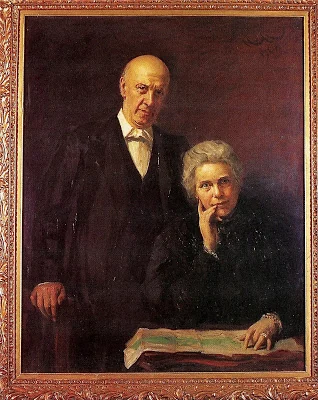
Samuel Barnett was a clergyman and social reformer, known for co-founding and leading Toynbee Hall while developing adult education and social-reform networks in Whitechapel.
Explore the biographiesWider contextOctavia Hill
Read Octavia Hill’s housing reformer and national trust co-founder career as a separate contextual comparison.
Explore the biographiesConnected biographies
People and wider context
1844–1913
Samuel Barnett
Clergyman and social reformerSamuel Barnett was a clergyman and social reformer, known for co-founding and leading Toynbee Hall while developing adult education and social-reform networks in Whitechapel.Read biography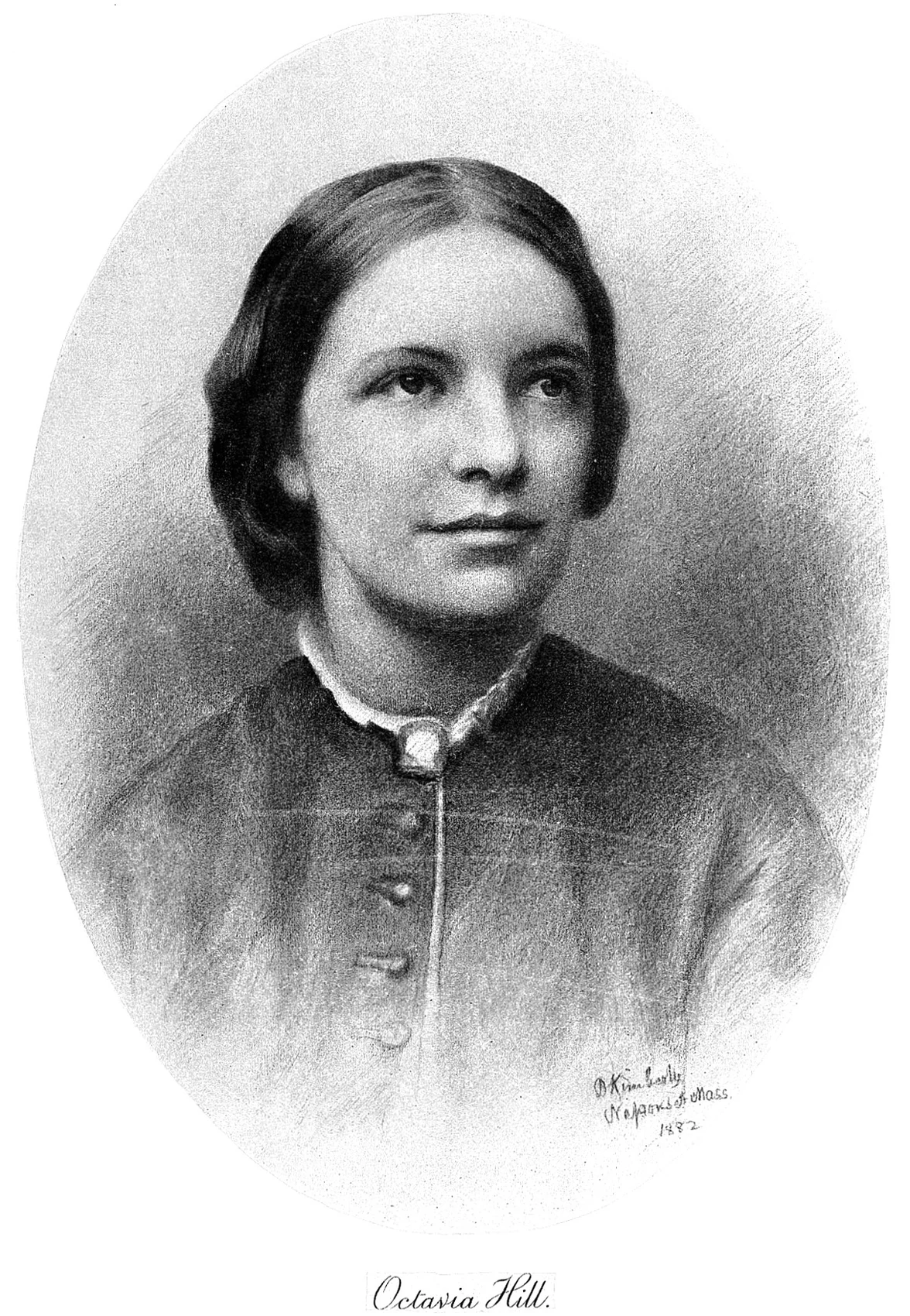
1838–1912
Octavia Hill
Housing reformer and National Trust co-founderHill linked the daily management of homes with a campaign for accessible outdoor space.Read biography1860–1935
Jane Addams
Settlement organiser and peace campaignerAddams helped establish Hull-House in 1889, connecting neighbourhood services, social investigation and later national and international peace work.Read biographyQuick answers
Common questions
- Was Toynbee Hall simply accommodation for students?
- No. Its residence model linked rooms with community work and sat alongside educational and cultural activities.
- Did Barnett’s educational work begin in 1884?
- No. The contemporary historical account identifies university-extension organising and lectures in 1877, before Toynbee Hall opened.
Primary and institutional sources
How this history was checked
Primary records, institutional catalogues and historical interpretation answer different questions. The comparison and worked example are original editorial analysis. This article was reviewed on 8 November 2026.
- Dictionary of National Biography, original 1927Barnett, Samuel Augustus
- Encyclopaedia Britannica, original 1911Barnett, Samuel Augustus
- Westminster AbbeySamuel and Henrietta Barnett
- Jo Till / Toynbee HallFounder of Toynbee Hall: Samuel Barnett
- The London Archives / AIM25Toynbee Hall: collection GB0074A/TOY
- 1969 historical thesis, Whitechapel Gallery digital copyCanon Barnett and the first thirty years of Toynbee Hall