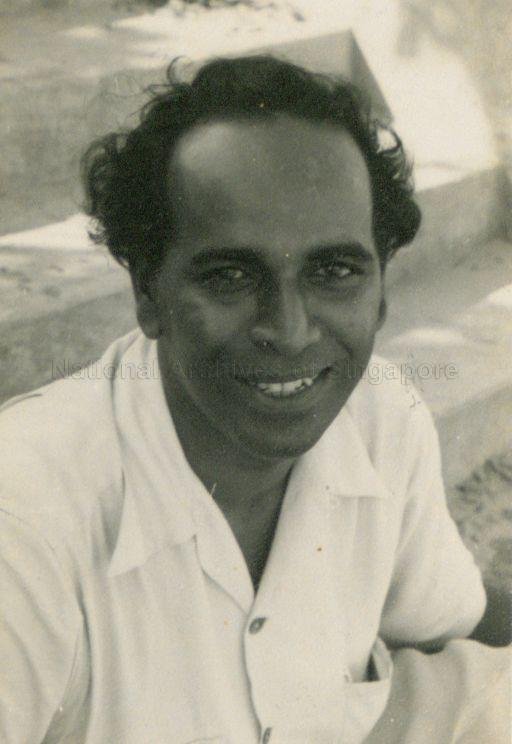

In this biography
Quick facts
- Born
- 6 October 1918
- Died
- 14 May 2010
- Birthplace
- Malacca, Straits Settlements
- Country
- Singapore
- Nationality
- Singaporean
- Known for
- Building core institutions for industrialisation, defence, finance and education
- Office
- Deputy Prime Minister, 1973–1984
- Key portfolios
- Finance, Defence and Education
- Political party
- People’s Action Party
- Institutional legacy
- EDB, JTC, SAF and monetary policy
Why this life matters
Goh translated political survival into administrative systems, linking land, labour, foreign investment and state capacity in Singapore’s development strategy.
Timeline
Key moments
Helped establish the PAP
Joined other anti-colonial activists in founding the People’s Action Party.
Became finance minister
Took charge of public finances and the economic response to high unemployment.
EDB began work
Industrial promotion and the development of Jurong became central to the government’s employment strategy.
Became defence minister
Helped create the institutions and national-service system of the Singapore Armed Forces.
Retired from politics
Left cabinet and Parliament after a quarter-century in government.
An economist in the independence movement
Born in Malacca and raised in Singapore, Goh Keng Swee studied economics in Singapore and at the London School of Economics. He worked in the colonial administration, helped organise the Malayan Forum in Britain and became a founding member of the People’s Action Party in 1954.
Industrialisation and Jurong
As finance minister after 1959, Goh confronted unemployment and a narrow entrepôt economy. The government developed Jurong Industrial Estate, established the Economic Development Board and courted export-oriented manufacturers. The approach combined public infrastructure with foreign investment rather than relying on a protected domestic market.
Institutions for a vulnerable state
Goh later shaped defence, education and monetary policy. He helped build the Singapore Armed Forces after separation, reorganised schools around economic and social objectives, and contributed to institutions that managed reserves and currency stability. His legacy is therefore less one programme than a network of durable state capacities.
Quick answers
Frequently asked questions about Goh Keng Swee
- Who was Goh Keng Swee?
- Goh Keng Swee was a deputy Prime Minister and economic architect of Singapore. Goh translated political survival into administrative systems, linking land, labour, foreign investment and state capacity in Singapore’s development strategy.
- What is Goh Keng Swee best known for?
- Goh Keng Swee is best known for building core institutions for industrialisation, defence, finance and education.
- When and where was Goh Keng Swee born?
- Goh Keng Swee was born on 6 October 1918 in Malacca, Straits Settlements.
- When did Goh Keng Swee die?
- Goh Keng Swee died on 14 May 2010.
Sources and further reading
How this biography was checked
Core dates and offices are checked against the sources below. This profile was last reviewed on 9 September 2026.