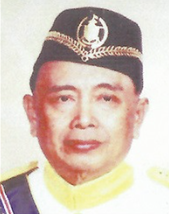
In this biography
Quick facts
- Born
- 4 November 1930
- Birthplace
- Labuan
- Country
- Malaysia
- Nationality
- Malaysian
- Known for
- Leading Sabah’s BERJAYA government from 1976 to 1985 and overseeing Labuan’s transfer to federal administration
- Full name
- Harris bin Mohd Salleh
- Born
- 4 November 1930 in Labuan
- State office
- Chief Minister of Sabah, 1976–1985
- Party leadership
- Co-founder and President of BERJAYA
- Major transition
- BERJAYA defeated by PBS in 1985
Why this life matters
Harris’s career connects the fall of USNO, development-centred BERJAYA rule, closer Sabah–federal relations and the political reaction that produced PBS.
Timeline
Key moments
Born in Labuan
Born while Labuan was administered with the Crown Colony of North Borneo.
Entered organised politics
Left the civil service and joined the United Sabah National Organisation during North Borneo’s transition to self-government.
Won a state seat for USNO
Entered the Sabah Legislative Assembly as the USNO candidate for Sipitang–Ulu Padas.
Helped establish BERJAYA
Broke with USNO and joined Fuad Stephens in creating a multiracial challenger to Datu Mustapha’s former governing party.
Became chief minister
Succeeded Fuad Stephens after the Double Six crash and began an administration that lasted nearly nine years.
Labuan became a federal territory
The island was transferred from Sabah to federal administration, a decision that remains central to debate over his record.
Lost power to PBS
BERJAYA fell from 44 seats to seven and Harris lost Tenom as Joseph Pairin Kitingan formed the new government.
Sought release of the Double Six report
His judicial-review action helped bring the long-classified Malaysian investigation report before the courts and public.
From Labuan to Sabah politics
Harris Salleh was born in Labuan in 1930 and began his working life in the colonial civil service. As North Borneo moved toward self-government, Datu Mustapha Datu Harun persuaded him to join the United Sabah National Organisation, placing him inside one of the parties negotiating the territory’s political future.
He won election to the Sabah Legislative Assembly in 1967 and became a senior USNO organiser. The experience gave him a close view of the institutions created after Malaysia’s formation and of the growing conflict between Mustapha’s leadership, federal officials and rival Sabah political networks.
Creating BERJAYA and taking office
In 1975 Harris left USNO and helped Fuad Stephens form Parti Bersatu Rakyat Jelata Sabah, better known as BERJAYA. The new party joined Barisan Nasional and defeated USNO in the April 1976 state election, with Stephens returning as chief minister and Harris serving as his deputy.
Stephens and ten other people died in the Double Six aircraft crash on 6 June 1976. Harris succeeded him as chief minister, turning what had begun as a rapid political transition into one of Sabah’s longest continuous administrations.
Development politics under BERJAYA
The BERJAYA government presented development as its central claim to legitimacy. Academic studies of the period record new state programmes, rural projects and efforts to attract investment, while also showing how access to development became tied to party competition and relations with Kuala Lumpur.
Harris cultivated a closer working relationship with the federal government than many of his predecessors. Supporters associated that alignment with resources and administrative stability; critics argued that it weakened Sabah’s bargaining position and did not sufficiently reflect the state’s ethnic and regional balance.
Labuan and the 1985 defeat
Labuan became Malaysia’s second federal territory in 1984 after negotiations between the Sabah and federal governments. Harris defended the transfer as a route to faster development, but the decision became a lasting symbol in arguments over state authority and federal promises.
Joseph Pairin Kitingan left BERJAYA and founded Parti Bersatu Sabah shortly before the 1985 election. PBS won 25 of 48 seats, BERJAYA fell to seven and Harris lost his own Tenom constituency, ending nine years of BERJAYA government in a result that transformed Sabah politics.
Later interventions and historical legacy
Harris later joined UMNO and returned to electoral politics through BERSEKUTU, though he never again led the state. Decades after the Double Six crash, he sought judicial review of the government’s refusal to release its investigation, contributing to the eventual declassification of the report in 2023.
His legacy remains contested because development, federal alignment and Labuan cannot be separated from one another. Reading his biography alongside the 1985 election explains both the ambitions of BERJAYA rule and why a new regional party could defeat it so decisively.
Quick answers
Frequently asked questions about Harris Salleh
- Who is Harris Salleh?
- Harris Salleh is a former Chief Minister of Sabah. Harris’s career connects the fall of USNO, development-centred BERJAYA rule, closer Sabah–federal relations and the political reaction that produced PBS.
- What is Harris Salleh best known for?
- Harris Salleh is best known for leading Sabah’s BERJAYA government from 1976 to 1985 and overseeing Labuan’s transfer to federal administration.
- When and where was Harris Salleh born?
- Harris Salleh was born on 4 November 1930 in Labuan.
Sources and further reading
Explore the evidence
These references support the biography and offer further reading. Official records, first-person accounts and independent reporting provide different perspectives; image records document attribution and licensing.
- 1. Government of SabahOfficial List of Sabah Chief Ministers
- 2. Scarecrow PressHistorical Dictionary of Malaysia
- 3. SEJARAH, University of MalayaSabah under the BERJAYA administration, 1976–1985
- 4. Universiti Sains MalaysiaThe politics of ethnicity, federalism and development in Sabah, 1976–1985
- 5. Parliament of MalaysiaDewan Rakyat debate on Labuan as a federal territory
- 6. Judiciary of MalaysiaJudgment on release of the Double Six investigation report