
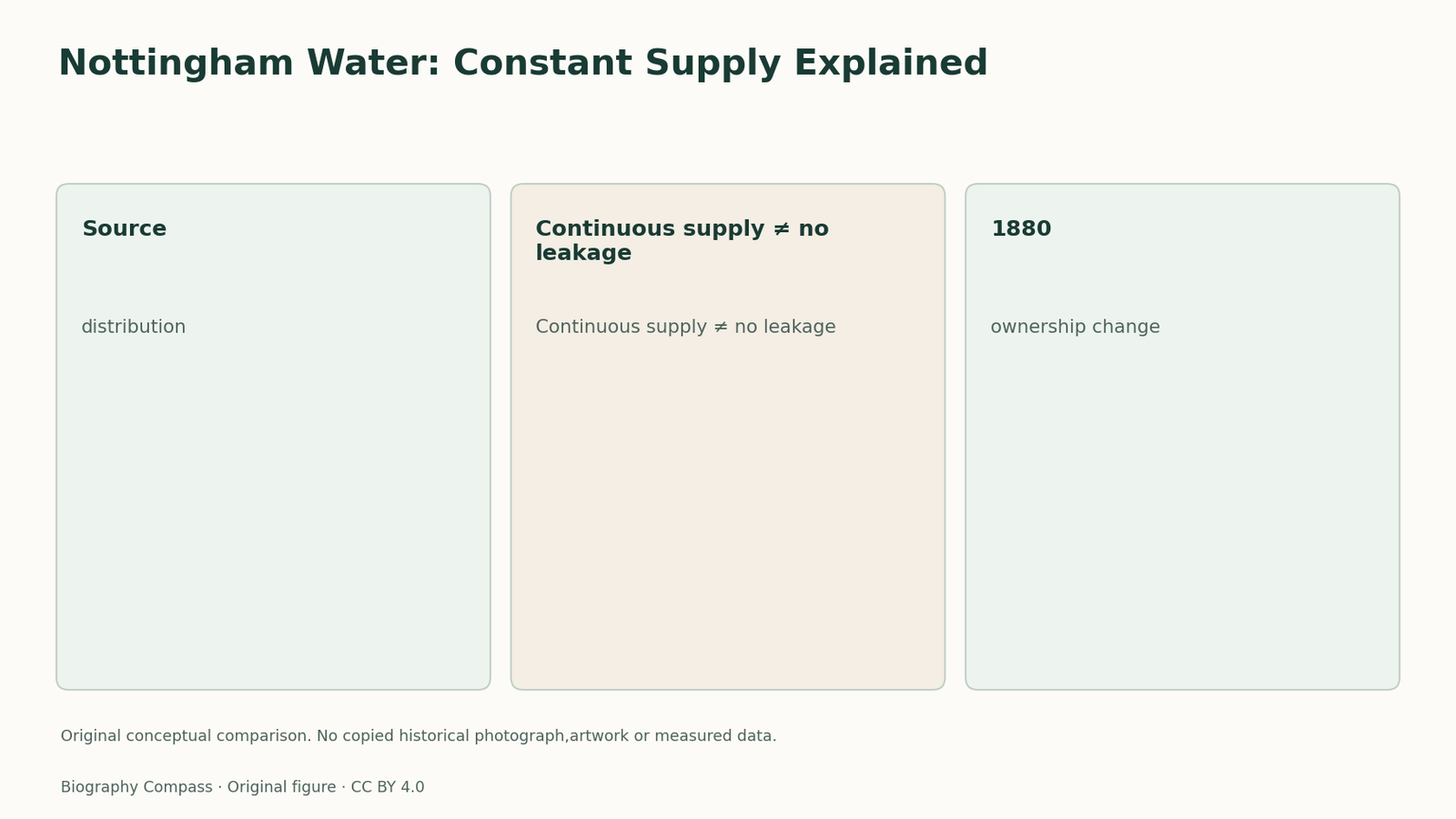
The short answer
How did constant supply change the relationship between mains, leakage and household storage?
Read the records together
Contributions,evidence and scope
Different records illuminate different parts of this particular undertaking.
| Record | What the record establishes | What remains distinct |
|---|---|---|
| Historical life and practice | Credits constant service and records automatic-valve work. | Does not supply every operating setting. |
| Institutional engineering history | Places water within a wider sanitary practice. | A career summary is not a household survey. |
| Revised biography extract | Dates company service and municipal acquisition. | Ownership change is not a new invention date. |
Intermittent supply changes where water is held
A water source and a household tap are connected by more than a pipe. An intermittent service makes the timing of delivery important and can require users to keep water after the mains stop supplying it. Hawksley’s association with constant service concerns that relationship between network operation and use. The historical biography credits his advocacy, while the institutional history places his work across water, gas and drainage systems. These records support examining distribution as an operating arrangement, not merely measuring the size of a reservoir. They do not justify a claim that every Nottingham household immediately received the same service.
Continuous service still requires control
Constant service does not mean a network can disregard leakage or excessive flow. The historical biography records Hawksley’s collaboration with Armstrong around 1847 on a valve intended to close when water velocity exceeded a specified limit. The valve and the service principle addressed different levels of the system: one was an item of equipment, the other an arrangement for delivering water. Linking them explains why reliability required both a policy for supply and physical means of control. It would be incorrect to describe the valve as a guarantee against every leak or to infer its exact setting without the relevant specification.
Sources for this section: [1]
Company history is separate from engineering method
Nottingham’s combined water companies employed Hawksley from 1845 until the municipal takeover in 1880. That change in ownership is a different event from introducing or improving a service method. A city could acquire an existing operating network, retaining infrastructure while changing responsibility for it. The revised biographical extract establishes this institutional chronology, and the earlier biography supplies a broader engineering career. Keeping the two records together avoids treating municipal ownership as the date when the physical water system first came into being. It also leaves room to examine who financed, maintained and benefited from the works.
Compare two imaginary household diagrams
In diagram A, draw a household storage vessel supplied during limited hours. In diagram B, draw a continuously supplied main, then add a separate box for flow control. Ask which diagram proves that no water is wasted. Neither does: service timing and loss are different variables. Next, place “municipal acquisition 1880” beneath the ownership row, not beside the invention of a valve. This original exercise uses no invented historical flow measurements. Its checked answer is a three-part distinction: water availability to the user, control within the pipe network, and legal ownership of the undertaking. Hawksley’s career gives documented reasons to investigate all three rather than calling a new source alone a complete solution.
Continue the chronology
Related history guides
Hamburg 1842: Rebuilding Water and Drainage
Trace Hamburg’s drainage and waterworks before and after the 1842 fire, separating clean-water supply, sewerage and the development of urban land.
Read the timeline1892–1904Elan Valley: Gravity, Authority and Displacement
Explore how Elan Valley linked an upstream intake and gravity supply with surveys, land acquisition and the public powers granted by the 1892 Act.
Read the timelineBiography context
Explore United Kingdom through connected lives
Connected biographies
People behind this work
1807–1893
Thomas Hawksley
Water-supply and sanitary engineerThomas Hawksley is remembered for developing urban water systems and advocating constant service rather than intermittent household supply.Read biography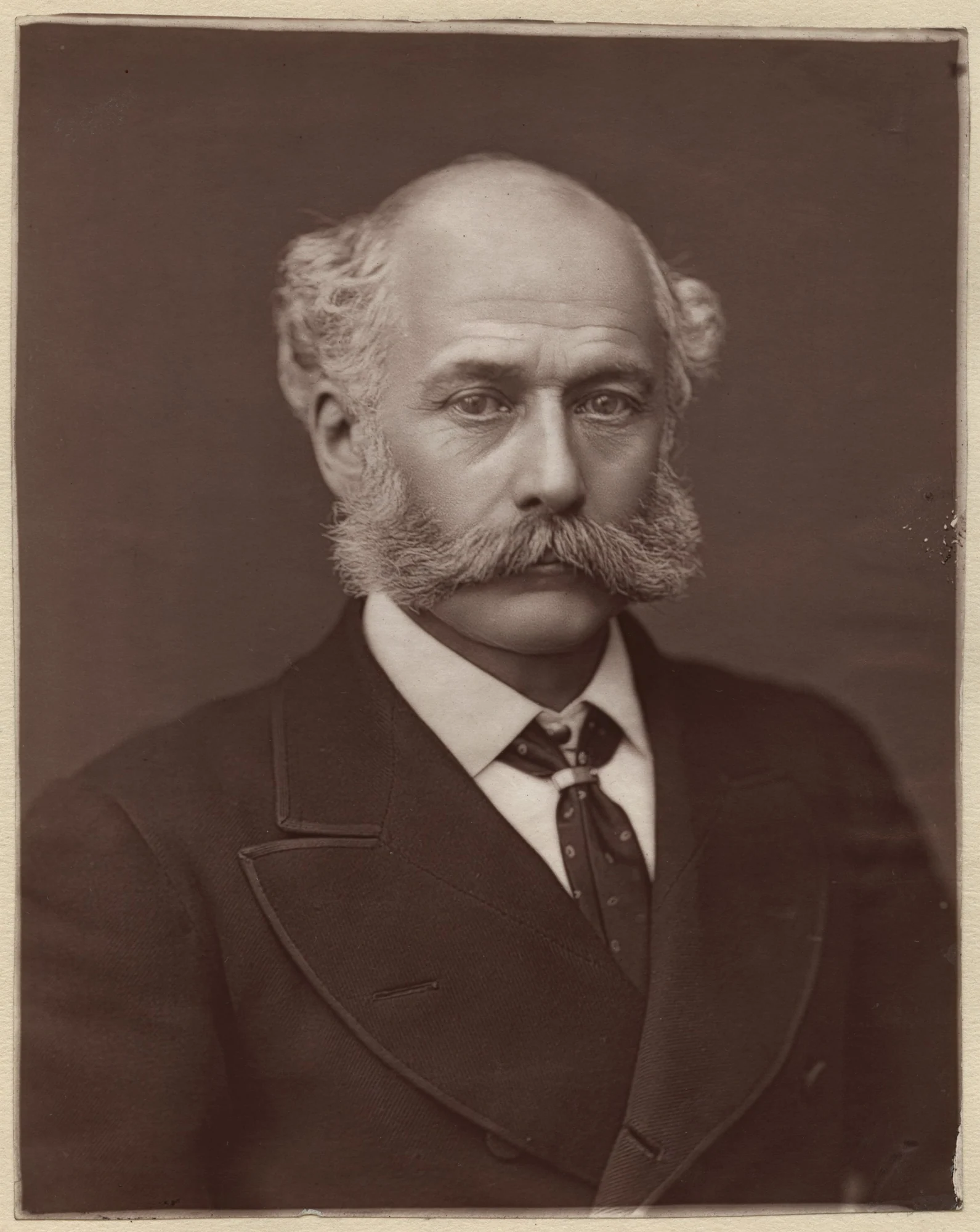
1819–1891
Joseph Bazalgette
Civil engineer and metropolitan drainage designerBazalgette designed main drainage works that carried much of London’s sewage away from central river outlets.Read biography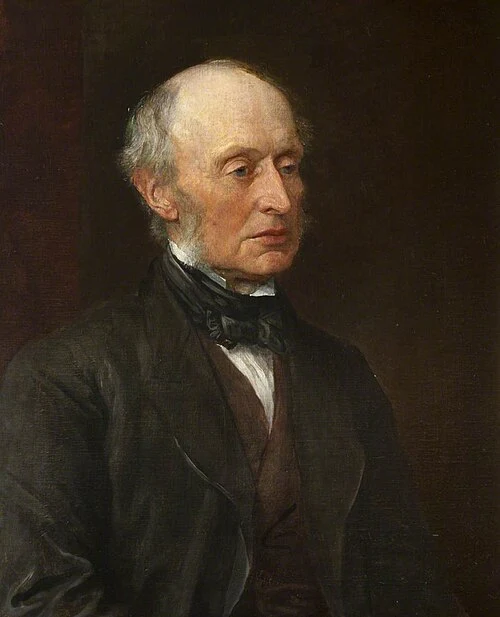
1810–1900
William George Armstrong
Engineer, hydraulic-machinery manufacturer and industrialistWilliam George Armstrong moved from law into hydraulic engineering, then built an international manufacturing business on Tyneside. Cranes, accumulators, guns and warships generated wealth that supported scientific experiments and public gifts, while tying his legacy to the global arms trade.Read biographyQuick answers
Common questions
- What does constant water service mean?
- It concerns continuing availability through the network. It does not by itself prove the absence of leakage or specify ownership.
Primary and institutional sources
How this history was checked
The cited records distinguish contemporary accounts,official catalogues and later institutional or scholarly interpretation. The comparison and worked exercise are original editorial material. This article was reviewed on 7 November 2026.