
The short answer
How did Fowler, Baker, the railway companies and contractors divide responsibility?
Read the records together
Contributions,evidence and scope
Different records illuminate different parts of this particular undertaking.
| Record | What the record establishes | What remains distinct |
|---|---|---|
| Historical biography | Records 1881 report and 1882 contract. | A principal’s life is not the whole site diary. |
| Official builders account | Distinguishes designer, consultant and contractor. | Three named roles do not exhaust the workforce. |
| Construction archive | Preserves successive physical stages. | An image alone does not establish contractual authority. |
The bridge type was reconsidered after failure elsewhere
The collapse of the Tay Bridge in 1879 led to reconsideration of Thomas Bouch’s proposed Forth scheme. The relevant railway companies requested advice in 1881 from Thomas Elliott Harrison, William Henry Barlow and Fowler, with Baker associated in the work. Their report recommended a cantilever arrangement. The process shows how a bridge can have several design histories before construction begins. Permission for an earlier proposal did not mean that the same structural form would inevitably be built. Review changed the proposal, and the final structure must be credited within that later sequence.
Consulting and contracting were different commitments
The historical biography dates the construction contract with Tancred, Arrol & Company to December 1882, and building began in 1883. Fowler and Baker’s engineering responsibilities stood beside the contractor’s responsibility for organising execution. This distinction explains why official summaries can identify Baker as designer, Fowler as consulting engineer and William Arrol as building contractor without requiring that only three people contributed. The project also depended on assistant engineers, foundations, shops and workers. The professional titles establish an organisational framework; they do not distribute every calculation or every day’s site instruction among the named principals.
Progress records make construction visible
Evelyn Carey’s photographs, held by National Records of Scotland, document stages through the seven-year building programme. They offer a view of the work that differs from a final opening address or a consulting biography. The images also keep the risks and scale of labour in view. An institutional celebration of design can be complemented by records of fabrication and erection without turning one source type into another. This topic concerns how the undertaking was divided and recorded; the adjacent Baker topic examines how a cantilever demonstration explained its structural idea.
Sources for this section: [3]
Read the bridge as four decisions
Write four headings: review, design, contract, andconstruction. Place the 1881 recommendation in the first two columns, the 1882 agreement in the third, and the 1883–1890 building sequence in the fourth. Add 1890 opening as an operational milestone. Now assess the claim that a construction photograph alone proves who negotiated the contract. It does not; the records answer different questions. The original exercise makes the positive sequence visible: an alternative was recommended, a scheme adopted, a contract made, and a structure erected. Its answer preserves the collaboration among the railway companies, Fowler, Baker and contractors, while leaving room for the work of people whose contributions appear in more detailed project records.
Continue the chronology
Related history guides
Forth Bridge: Model, Cantilevers and Loads
Understand what the Forth Bridge human cantilever model explained, and how a demonstration differed from the real bridge’s design and construction.
Read the timeline1884–1894Tower Bridge: Architecture and Moving Structure
Compare the design, engineering and construction roles behind Tower Bridge, separating its architectural treatment from the moving bridge structure.
Read the timelineBiography context
Explore United Kingdom through connected lives
Connected biographies
People behind this work
1817–1898
John Fowler
Civil and railway engineerJohn Fowler is remembered for engineering London’s Metropolitan Railway and leading a consulting partnership associated with the Forth Bridge.Read biography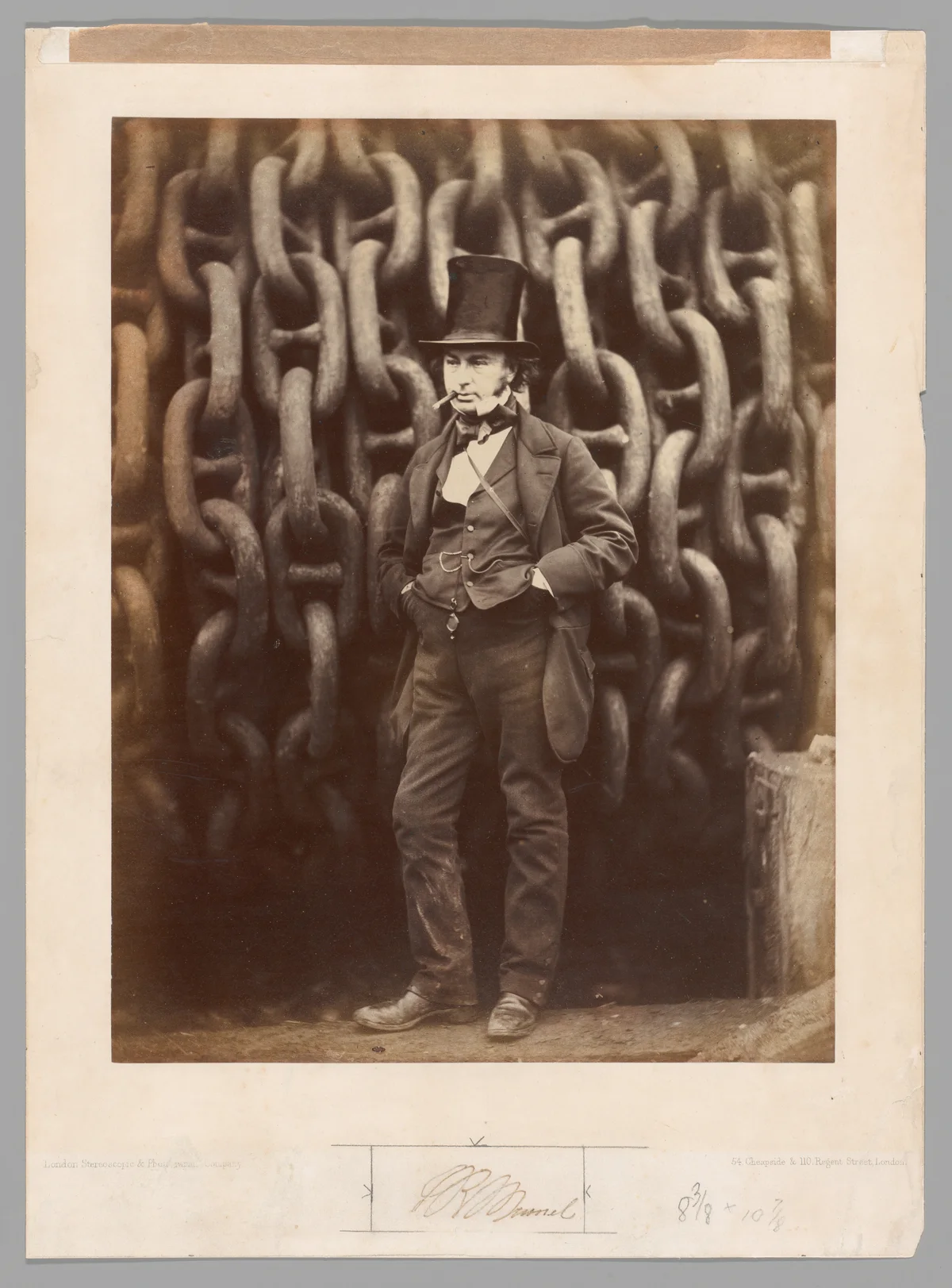
1806–1859
Isambard Kingdom Brunel
Consulting civil engineer for railway, bridge, dock and steamship enterprisesIsambard Kingdom Brunel ran an engineering practice serving railway and maritime companies. As the Great Western Railway’s engineer, he helped connect London and Bristol in 1841. His ships and structures combined technical ambition with financial risk and depended on investors, contractors and workers.Read biography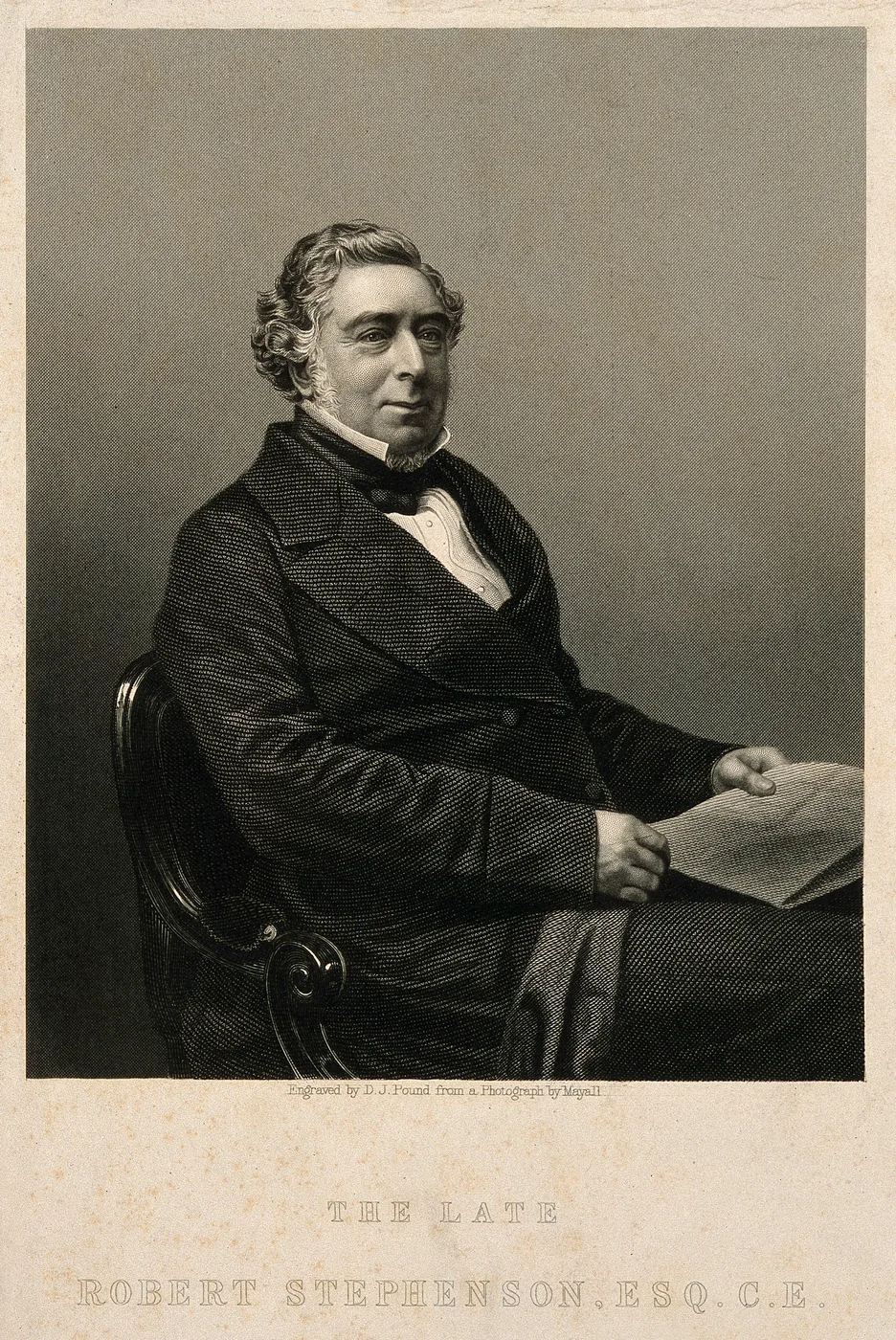
1803–1859
Robert Stephenson
Locomotive manufacturer and civil engineerRobert Stephenson helped turn railway engineering into a large manufacturing and construction enterprise. George Stephenson’s son, he directed locomotive production, led major railway works and designed ambitious bridges, while the fatal Dee bridge collapse exposed the consequences of structural failure.Read biographyQuick answers
Common questions
- How did Fowler, Baker and Arrol divide the Forth work?
- The records distinguish consulting and design work by Fowler and Baker from contracting and erection by the construction organisation.
Primary and institutional sources
How this history was checked
The cited records distinguish contemporary accounts,official catalogues and later institutional or scholarly interpretation. The comparison and worked exercise are original editorial material. This article was reviewed on 7 November 2026.