
The short answer
The Asian Institute of Technology began as a small regional graduate school on the campus of Chulalongkorn University. Its first students studied hydraulic engineering in 1959. By 1967 the school had become an independent international institution with the capacity to award postgraduate qualifications under its own name.
How to read the founding dates
A school opens and an institute gains autonomy
The institutional records identify the creation of a teaching programme and a later change in governance.
| Stage | What changed | Evidence |
|---|---|---|
| 1957–1958 proposal | Governments discuss and agree to support a regional school. | AIT’s institutional chronology records the proposal and SEATO decisions. |
| 1959 teaching begins | A small graduate cohort can study hydraulic engineering in Bangkok. | The annual report identifies its size and areas of origin. |
| 1967 autonomy | AIT gains a distinct institutional position and authority to award postgraduate qualifications. | AIT’s anniversary report traces the change from SEATO sponsorship. |
Chronology
A timeline of the turning points
Pote Sarasin proposes a regional school
SEATO members and regional partners are asked to support postgraduate engineering education.
Royal decree and first classes
King Bhumibol signs the decree and the school opens with hydraulic engineering.
Fields of study expand
The school adds structural and highway engineering.
School becomes AIT
A separate governance structure establishes an independent international institute.
Why the first group studied water engineering
Pote Sarasin, then SEATO secretary-general, proposed a regional engineering school with government support. AIT’s history records 18 students from Pakistan, the Philippines and Thailand in the first group, all studying hydraulic engineering. The group was small enough to be taught at an existing university campus.
The school opened on the grounds of Chulalongkorn University. Its graduate focus let students who already had higher education deepen a specialty, and the curriculum expanded to cover structural and highway engineering by 1960.
What the founding decree and teaching date show
King Bhumibol signed the decree establishing the school in 1959. The institute’s history separately dates the September opening. A founding instrument supplies legal authority; a dated record of the first cohort helps show when teaching actually started.
The contemporary need for engineers can be traced through the courses the school could provide. The later expansion beyond hydraulics demonstrates a change in provision, while the early cohort shows the scope of the first programme.
What changed in 1967
AIT’s anniversary account describes the break from SEATO and the transition to a self-governing international institute. The change preserved the programme’s regional character while putting its institutional responsibilities on a different footing.
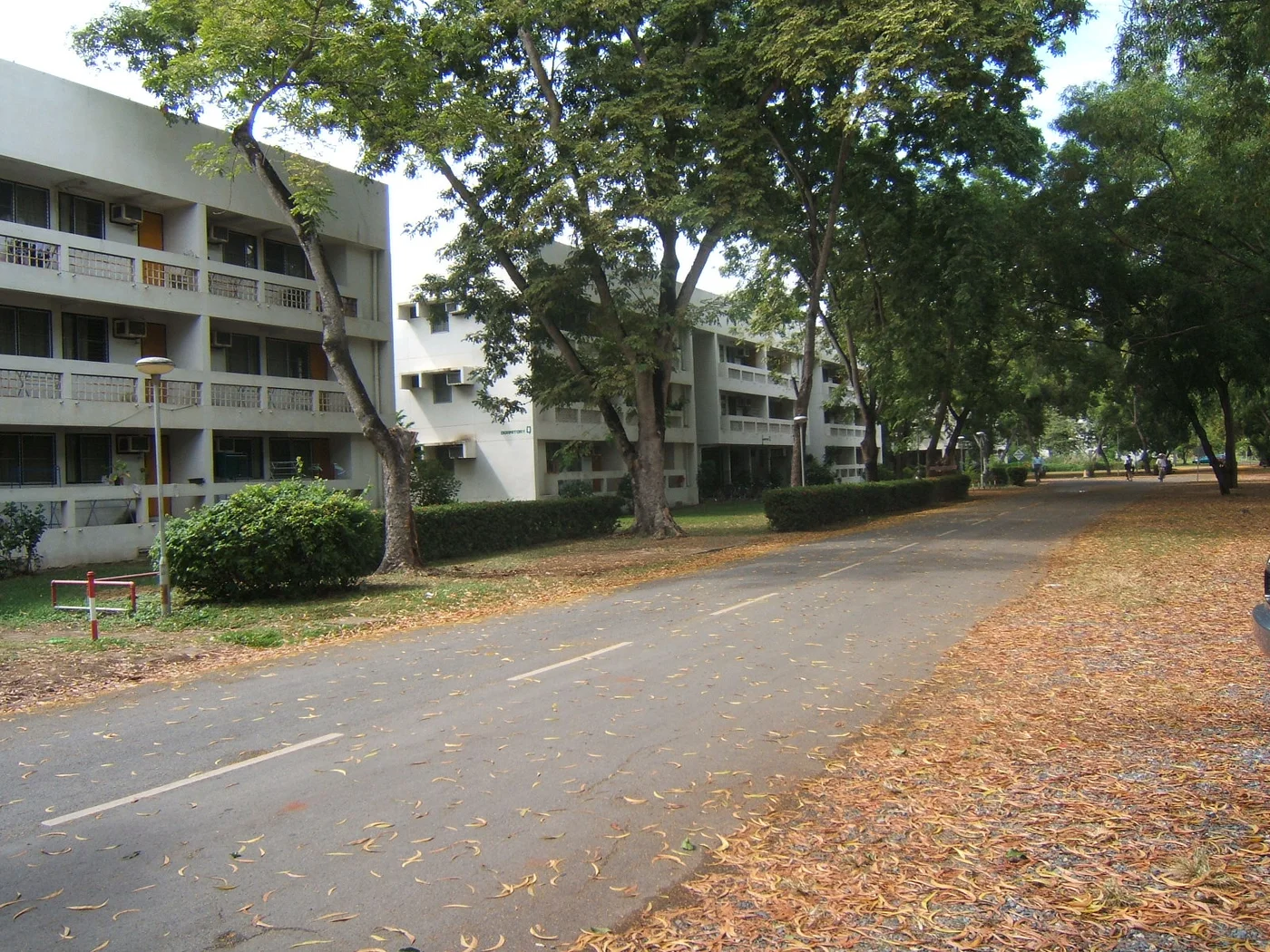
The 1959 and 1967 dates therefore answer separate questions. One starts the teaching lineage and the other dates AIT’s autonomy. Later photographs of the Pathum Thani campus show another stage, after the school’s initial period in central Bangkok.
Continue the chronology
Related history guides
How the Civil Service College Became Chulalongkorn University
Read the earlier history of the university that housed the first graduate engineering school.
Read the timeline1966–early 1970sWhy Southeast Asia Opened a Science Teaching Centre in Penang
Compare a separate regional institution established to train teachers.
Read the timelineConnected biographies
People connected to this history

1927—2016
Bhumibol Adulyadej
King of Thailand, 1946–2016Thailand’s longest-reigning monarch, whose seven decades on the throne spanned rapid development, repeated political crises and profound social change.Read biographyQuick answers
Common questions
- When did the Asian Institute of Technology begin?
- Its teaching predecessor opened in 1959 as the SEATO Graduate School of Engineering. It became the autonomous Asian Institute of Technology in 1967.
- What did AIT’s first group study?
- The eighteen students in the first cohort all studied hydraulic engineering, according to AIT’s annual report.
Primary and institutional sources
How this history was checked
Dates, legal milestones and historical claims are checked against the official and institutional records below. This article was reviewed on 19 November 2026.