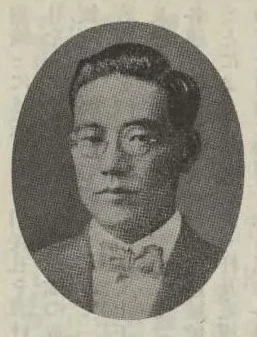
In this biography
Quick facts
- Born
- 9 January 1835
- Died
- 7 February 1885
- Birthplace
- Tosa Province, present-day Kochi Prefecture, Japan
- Country
- Japan
- Nationality
- Not independently established
- Known for
- Building Mitsubishi’s shipping business and early diversification
- Born
- 9 January 1835, Gregorian date in NDL
- Predecessor business
- Tsukumo Shokai established in 1870
- Mitsubishi name
- Adopted in March 1873, corporate account
- Nagasaki shipyard
- Leased in 1884; outright purchase followed his death
Why this life matters
His career illustrates how commercial enterprise, government patronage and institutional change interacted in Meiji Japan.
Timeline
Key moments
Birth
Born on 9 January in Tosa.
Osaka
Moves into Tosa’s Osaka trading operations.
Shipping predecessor
Tsukumo Shokai begins with ships chartered from Tosa.
Mitsubishi
Corporate narrative dates the Mitsubishi name and official presidency to March.
Military transport
Mitsubishi transports troops in the Taiwan expedition and Satsuma conflict.
Nagasaki lease
Mitsubishi leases the government shipyard.
Death and succession
Dies on 7 February; Yanosuke succeeds him.
Tosa provided a route into commerce
Yataro Iwasaki was born on 9 January 1835 in Tosa, in present-day Kochi Prefecture. The National Diet Library describes a family of former low-ranking rural samurai. His career developed through work for the Tosa domain, including its Nagasaki trading office and later its Osaka operation in 1869. These offices dealt with commodities, ships and supplies during a period of political upheaval. His later enterprise therefore grew from existing commercial relationships and domain institutions, rather than appearing as a completely detached private start-up without inherited assets, obligations or connections.
The company’s beginning had several stages
Mitsubishi traces its origins to Tsukumo Shokai in 1870, using ships chartered from Tosa. Its detailed historical account distinguishes the establishment of that predecessor from Yataro’s later control and the Mitsubishi name. The biographical company page dates the name and his official presidency to March 1873. These events are related but answer different questions: when a shipping operation began, when management changed and when a particular name was adopted. A single founding year is convenient shorthand, provided it does not erase the people and domain business that preceded the later group.
State business strengthened the shipping enterprise
The relationship with government was a major part of Mitsubishi’s growth. NDL records military transportation for the Taiwan expedition and the Satsuma Rebellion. The company’s account describes ships, subsidies and obligations to carry mail and government supplies. Commercial success was intertwined with military expansion and domestic conflict, not simply with peaceful market competition. These contracts helped support a larger fleet and routes, while exposing the business to changes in political favour. A biography can recognise Yataro’s organisational skill without treating state support as irrelevant or presenting the consequences of military transport as an uncomplicated national benefit.
Diversification extended beyond carrying cargo
Mitsubishi expanded into mining, ship repair and finance. Its historical account dates an exchange house to 1880 and the Takashima coal-mine purchase to 1881, while recognising Yanosuke’s part in assessing the mine. Fuel, repair facilities and financing could complement a shipping network, though a corporate retrospective does not independently establish the profitability of each investment. These developments also show why “Mitsubishi” cannot always be read as the same narrow line of business. The company was building linked activities whose institutional descendants would later have separate names, management and legal histories.
Leasing a shipyard differed from buying it
In 1884 Mitsubishi leased the Nagasaki shipyard from the government. The transport ministry’s heritage interpretation traces the site back to an 1857 foundry and government operation from 1868. It dates outright purchase to 1887, after Yataro’s death and under his successor. Thus he did not personally make an 1887 purchase while alive, nor did Mitsubishi create every facility at a site with an older history. This distinction makes the industrial legacy more precise: access to an operating asset, ownership of the property and the founder’s lifetime are separate parts of the story.
Succession changed the next chapter
Yataro died on 7 February 1885. His brother Yanosuke took over while Mitsubishi was engaged in costly competition with another Japanese shipping company. The corporate account places the later merger that created NYK after Yataro’s death. Successors continued to develop the wider businesses, and the original Mitsubishi organisation was eventually disbanded after the Second World War. Today’s separate companies cannot all be assigned unchanged to one nineteenth-century founder. His importance lies in building a powerful early enterprise through trade, state relationships and diversification, with its opportunities and dependencies visible together.
Quick answers
Frequently asked questions about Yataro Iwasaki
- Did Yataro buy the Nagasaki shipyard in 1887?
- He had died in 1885. The government heritage account dates Mitsubishi’s lease to 1884 and purchase to 1887 under the succession history.
- Was Mitsubishi’s growth independent of the state?
- No. The cited records describe military transport, mail obligations, government support and access to a government shipyard.
Keep exploring
Lives connected to this story
- Shozo Kawasaki
Compare a shipbuilder’s formation and the distinction between founder, shareholder and president.
- Sakichi Toyoda
Compare another Japanese industrial career where later companies must be distinguished from the founder’s lifetime.
- Eiichi Shibusawa
Compare another route from public service into nineteenth-century finance and enterprise organization, including the public power behind commercial expansion.
Sources and further reading
Explore the evidence
These references support the biography and offer further reading. Official records, first-person accounts and independent reporting provide different perspectives; image records document attribution and licensing.
- 1. National Diet Library, JapanIwasaki Yataro: historical biography and lifespan
Primary national-library biography supplies exact Gregorian birth/death dates and military-transport context. No death diagnosis or portrait rights inferred.
- 2. Mitsubishi group websiteYataro Iwasaki: the man who started Mitsubishi
March 1873 presidency/name and government support read as the company’s account. No underlying subsidy contract, corporate register or NYK merger deed inspected.
- 3. Mitsubishi group websiteOrigin: Mitsubishi’s four presidents and separate historical stages
Corporate history distinguishes 1870 predecessor, later management/name and successor activity. Its origin rhetoric is not an independent impact assessment.
- 4. Ministry of Land, Infrastructure, Transport and Tourism; Nagasaki City local councilFormer Mitsubishi Shipyard No. 2 Dock House: English heritage interpretation, 2019
English heritage interpretation published in a ministry database, prepared in 2019 with Nagasaki City council; not the original lease or deed. It explicitly distinguishes the 1884 lease from 1887 purchase under successor Yanosuke.