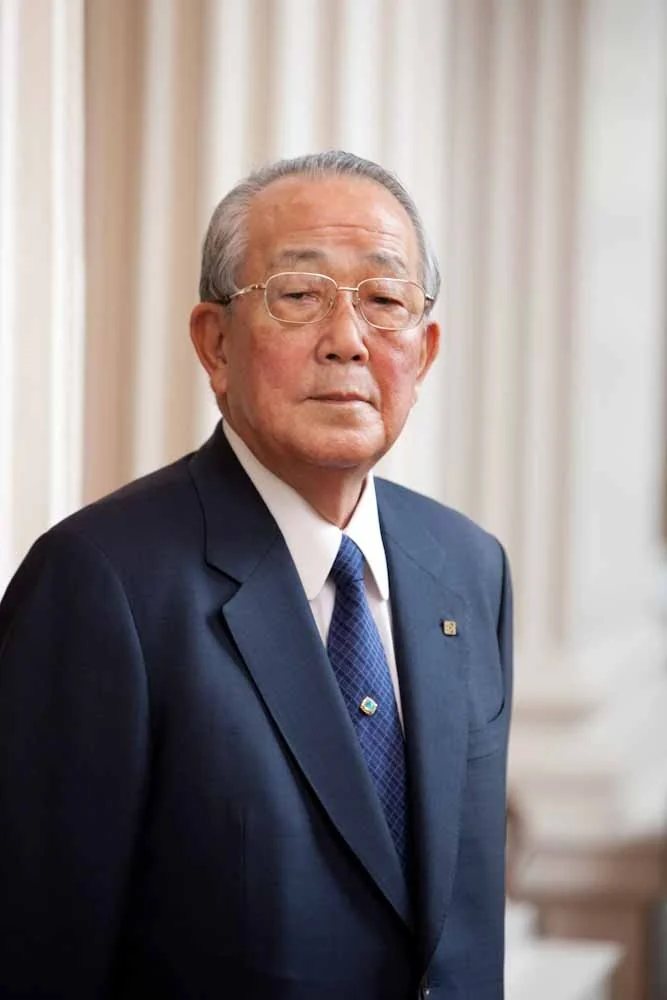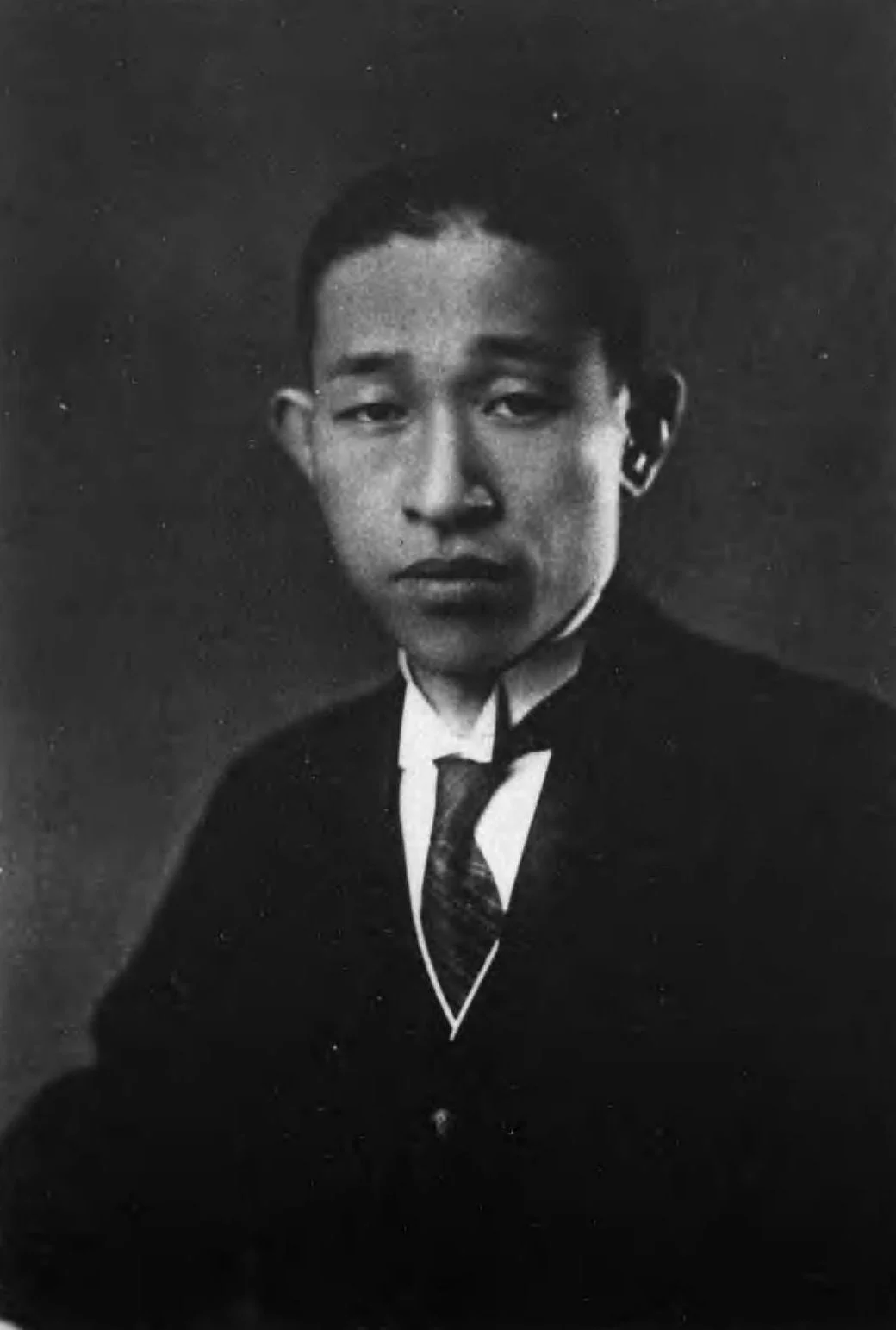
In this biography
Quick facts
- Born
- 11 June 1894
- Died
- 27 March 1952
- Birthplace
- Yamaguchi, Shizuoka Prefecture, Japan
- Country
- Japan
- Nationality
- Not independently established
- Known for
- Toyota’s automobile business, the Koromo plant and early flow-production planning
- Education
- Mechanical engineering, Tokyo Imperial University, graduated 1920
- Toyota Motor
- Executive vice president at establishment, 1937
- Presidency
- 1941–1950
- Resignation
- 5 June 1950 during the labour dispute
Why this life matters
Toyoda linked textile machinery experience to automobile production, while his career also reveals the limits of technical ambition without stable finance.
Timeline
Key moments
Born in Shizuoka
Born on 11 June.
Engineering and shop-floor study
Graduated, entered textile machinery work and studied factories overseas.
Automatic loom business
Worked on Type G machinery and a later agreement with Platt Brothers.
Automotive development
Automotive division, prototype engine, G1 truck and AA passenger car followed.
Company and Koromo plant
Became executive vice president of the new company; the plant opened the next year.
Financial and labour crisis
Resigned as president on 5 June; a settlement followed on 10 June.
Death
Died on 27 March before a proposed return to the presidency.
Engineering grew from textile machinery
Kiichiro Toyoda was born on 11 June 1894 in Yamaguchi, Shizuoka Prefecture, now part of Kosai. His father Sakichi developed looms, and Kiichiro grew up around the family’s factories. He entered Tokyo Imperial University in 1917 and completed mechanical-engineering studies in 1920. His later circle included university acquaintances who contributed knowledge of engines, metallurgy and machinery. This background helps explain an entrepreneur who could assess production methods and recruit specialists. It does not mean that childhood familiarity with machines alone supplied all the capabilities needed to manufacture an automobile.
Overseas study accompanied work with the loom business
Toyoda worked in the family’s textile enterprises before the automotive venture. A 1921–1922 trip included visits to American and European textile facilities and practical training at Platt in Oldham. The Toyota museum connects him with the Type G automatic loom completed in 1924 and a 1929 patent agreement with Platt Brothers. These activities provided experience in equipment, factory organisation and international negotiation. They should not be compressed into the popular claim that one patent payment by itself financed Toyota’s birth: a technology agreement and the later company’s complete funding history are separate questions.
Automobiles needed materials and production equipment
An automotive division was established within Toyoda Automatic Loom Works in 1933. The following years brought a prototype plant, steelmaking facilities, the Type A engine, an A1 passenger-car prototype, the G1 truck and the AA passenger car. Those stages show why entering automobiles involved more than designing a vehicle. Material quality, tooling and parts production had to be developed alongside assembly. Toyoda directed the venture within an existing industrial group; engineers and production workers supplied specialised work. The group’s loom businesses and capital arrangements gave him a foundation that an isolated inventor would not have possessed.
Sources for this section: [4]
Founder did not mean first president
Toyota Motor was registered on 28 August 1937 with Risaburo Toyoda as president and Kiichiro as executive vice president. Toyota’s detailed history links the new company to the cost and urgency of constructing the Koromo plant, as the automobile business exceeded the funding capacity of the loom company alone. The plant was completed in 1938 through work across the group. Kiichiro later became president in 1941. Keeping those appointments distinct explains how authority was shared and changed. It also avoids giving the founding executive vice president the first president’s office retrospectively.
Flow production was a developing practice
Toyota traces part of its flow-production approach to Kiichiro’s experience with conveyor assembly of automatic looms and its transfer to Koromo. His concern with timing parts and coordinating processes was an important precursor of later production systems. It would nevertheless be anachronistic to place every later feature of the Toyota Production System in a completed 1938 blueprint. Postwar managers, engineers and workers continued to change machinery, materials handling and work organisation. Kiichiro’s contribution is clearest as direction and experimentation within that longer development, rather than personal authorship of every practice subsequently associated with Toyota.
Sources for this section: [6]
The 1950 crisis tested technical and managerial ambitions
Postwar Toyota faced payment arrears and a severe cash shortage. Separating sales from manufacturing in April 1950 was part of a reconstruction plan involving banks, sales leader Shotaro Kamiya and the union. Job-cut proposals then produced a prolonged dispute. Kiichiro, Kazuo Kumabe and Kohachiro Nishimura resigned on 5 June; a labour-management memorandum followed on 10 June. Kiichiro’s departure was one element of a negotiated and costly reorganisation. Subsequent recovery involved new management, employees, creditors and renewed demand, including military procurement after the Korean War began. It cannot be credited to the founder’s resignation alone.
He died before a proposed return
Kiichiro died on 27 March 1952, aged 57. Toyota’s history records plans to reinstate him as president later that year, but he did not return to office. His importance lies in the move from textile machinery toward an automobile enterprise capable of developing products and production facilities. The wider history includes wartime demand and constraints, dependence on financial institutions and the human cost of restructuring. Reading those conditions beside the prototypes and plant decisions makes his career more understandable: an engineer and organiser with significant ambition, working through institutions whose capacities and conflicts he could influence but could not simply command away.
Quick answers
Frequently asked questions about Kiichiro Toyoda
- Who was Kiichiro Toyoda?
- Kiichiro Toyoda was a mechanical engineer and Toyota Motor founder. Toyoda linked textile machinery experience to automobile production, while his career also reveals the limits of technical ambition without stable finance.
- What is Kiichiro Toyoda best known for?
- Kiichiro Toyoda is best known for toyota’s automobile business, the Koromo plant and early flow-production planning.
- When and where was Kiichiro Toyoda born?
- Kiichiro Toyoda was born on 11 June 1894 in Yamaguchi, Shizuoka Prefecture, Japan.
- When did Kiichiro Toyoda die?
- Kiichiro Toyoda died on 27 March 1952.
Keep exploring
Lives connected to this story
- Soichiro Honda
Compare another vehicle entrepreneur’s engineering career and dependence on collaborators.
- Takeo Fujisawa
Explore the sales and financing work that complemented Honda’s product engineering.
- Sakichi Toyoda
Read the father’s textile inventions and businesses before Kiichiro’s distinct automotive undertaking.
Sources and further reading
Explore the evidence
These references support the biography and offer further reading. Official records, first-person accounts and independent reporting provide different perspectives; image records document attribution and licensing.
- 1. Toyota, 75 Years of ToyotaKiichiro Toyoda: Early life
- 2. Toyota, 75 Years of ToyotaLearning about spinning technology on the shop floor
- 3. Toyota, 75 Years of ToyotaTaking a study tour of the United States and Europe
- 4. Toyota Commemorative Museum of Industry and TechnologyKiichiro Toyoda: research chronology
- 5. Toyota, 75 Years of ToyotaEstablishment of Toyota Motor Co., Ltd. and Construction of the Koromo Plant
- 6. Toyota Motor CorporationToyota Production System: historical origins of flow production
- 7. Toyota, 75 Years of ToyotaEstablishment of Toyota Motor Sales Co., Ltd.
- 8. Toyota, 75 Years of ToyotaResignation of President Kiichiro Toyoda: settlement memorandum and employment figures
- 9. Toyota, 75 Years of ToyotaTraining at Ford and Observation of American Machinery Manufacturers
- 10. Toyota, 75 Years of ToyotaDeath of Founder Kiichiro Toyoda and Risaburo Toyoda
- 11. Toyota Motor CorporationThe Beginnings: appointments and Toyota’s early chronology
- 12. Toyota, 75 Years of ToyotaSpecial Demand Caused by Korean War, including quotation from the 22nd Business Report
- 13. Toyota Commemorative Museum of Industry and Technology (then Industrial Technology Memorial Museum)Research and Creation, vol.22, p.4: Kiichiro Toyoda chronology, 2000
Full PDF acquired with %PDF magic. Original image on page 4 actually viewed; its chronology states graduation from Tokyo Imperial University mechanical engineering in 1920 and presidency in 1941. Page 5 also viewed. No claim to have read all 16 pages.