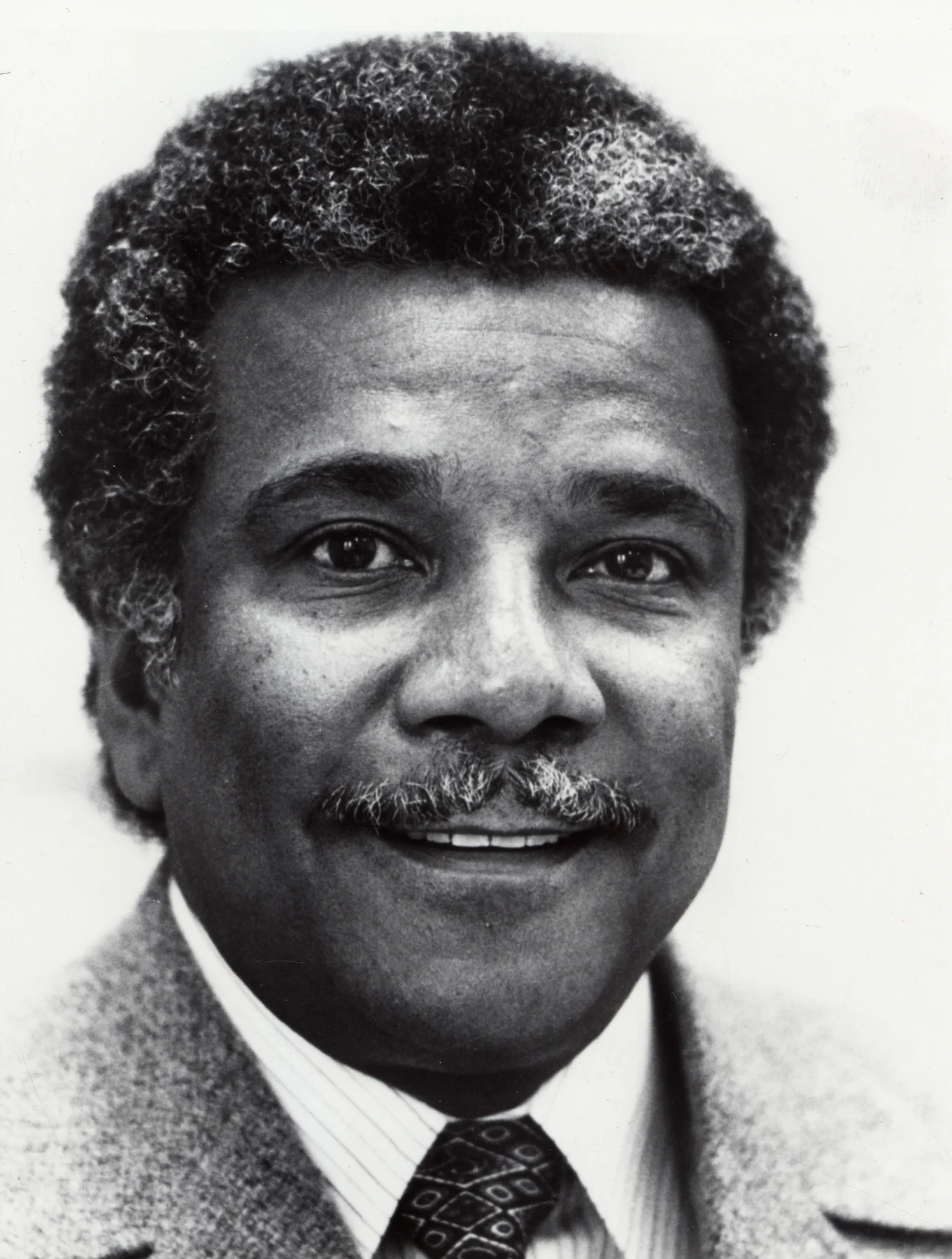
In this biography
Quick facts
- Born
- 8 April 1898
- Died
- 10 August 1959
- Birthplace
- Tokyo, Japan
- Country
- South Korea
- Nationality
- Not independently established
- Known for
- The Brassica genome relationships known as U’s Triangle and postwar seed research in South Korea
- Publication name
- Nagaharu U
- Brassica paper
- Published in 1935, Japanese Journal of Botany 7:389–452
- Doctorate
- Agriculture, Tokyo Imperial University, 1936
- Move to South Korea
- Arrived on 8 March 1950
Why this life matters
His research connected crop hybridisation with chromosome relationships, while his later institutional work helped develop local agricultural research and seed-production capacity.
Timeline
Key moments
Born in Tokyo
Born on 8 April to a Korean father and Japanese mother.
Completed agricultural training
Finished the agricultural practical course and entered experimental-station work.
Published Brassica genome analysis
Investigated related crops through experimental crosses and chromosome relationships.
Doctorate in agriculture
The official chronology dates the doctorate to 4 May.
Worked in commercial seed research
Joined the research-farm work associated with Takii in Kyoto.
Moved to South Korea
Arrived in March and became a research-institute director in May.
Horticultural research leadership
Led the horticultural experiment station in the official institutional chronology.
Died
Died on 10 August.
An agricultural career spanning Japan and Korea
Woo Jang-choon was born in Tokyo on 8 April 1898 to a Korean father and a Japanese mother. His scientific publications in Japan used the name Nagaharu U, which explains why an English-language account may appear to name two different researchers. The Korean horticultural institute’s chronology records agricultural training from 1916 to 1919, followed by work at an agricultural experiment station. The course is identified as practical agricultural training; it should not be silently converted into an unverified bachelor’s degree. His career developed through both formal study and work with plants in experimental settings.
Experimental crosses made crop relationships testable
His 1935 paper examined genome relationships in Brassica, including the experimental formation of B. napus. The relationships later illustrated as U’s Triangle connect three diploid species with three allotetraploid species combining pairs of their genomes. This was a cytogenetic programme involving crosses, inheritance and chromosomes. It preceded DNA sequencing and did not depend on modern genome-assembly technology. The framework helped make relationships among crops such as turnip, cabbage and oilseed rape intelligible through more than their outward appearance. Contemporary genomic research continues to use it while examining changes that the original model could not resolve.
A publication date is not a doctorate date
The Brassica study is cited as a 1935 publication in volume 7 of the Japanese Journal of Botany. The Korean official chronology separately dates Woo’s doctorate in agriculture at Tokyo Imperial University to 4 May 1936. Treating both as a single 1936 discovery loses that distinction. In 1937 he entered research-farm leadership associated with the seed company Takii in Kyoto. This later work linked experimental plant research with the practical requirements of seed breeding. The published framework and the doctorate were important milestones, but neither by itself accounts for every variety subsequently produced by agricultural institutions.
Moving into a different agricultural research system
Woo arrived in South Korea on 8 March 1950. The official chronology records his appointment as director of the Korean Agricultural Science Research Institute on 10 May, shortly before the Korean War began. His later posts included the Central Horticultural Technology Institute from 1953 and horticultural experiment-station leadership in 1958. These successive appointments show a career spent developing research organisations as well as conducting individual experiments. Public historical accounts connect his work with vegetable breeding and seed-production capacity during a period when reliable agricultural supplies were a practical national concern.
What the surviving papers add to the public story
In 2017 Korea’s National Archives announced the donation of 713 items connected with Woo, including research notebooks, degree-related materials and pressed plant specimens. Those records offer routes for studying research as a process: plans, observations, preserved material and institutional documents can answer different questions. The announcement is an inventory of a donation, not proof that every notebook has been examined for this biography. It nevertheless establishes that the public memory of Woo is supported by a surviving body of material that can be compared with later commemorative accounts.
Sources for this section: [4]
Remembering a contribution without giving it every later success
Woo died on 10 August 1959. His most durable scientific association is the Brassica framework, and his later institutional contribution concerned the development of agricultural research in South Korea. The model does not say that all crops fit six boxes, nor that a chromosome count alone determines a plant’s yield or usefulness. Its value is more precise: it supplies a testable relationship among particular species and genome combinations. Placing that work beside his research appointments preserves both the scientific contribution and the collective nature of crop improvement.
Quick answers
Frequently asked questions about Woo Jang-choon
- Why is U’s Triangle associated with Woo Jang-choon?
- He published under the name Nagaharu U. His 1935 Brassica genome-analysis paper is the historical reference behind the framework.
- Was U’s Triangle based on DNA sequencing?
- No. The original work used experimental breeding and cytogenetic relationships. Modern sequencing studies later investigated those genomes in much greater detail.
- Are the 1935 paper and the 1936 doctorate the same event?
- No. The paper’s bibliographic date is 1935; the official chronology dates his doctorate to 4 May 1936.
Keep exploring
Lives connected to this story
- Thomas Odhiambo
Compare building agricultural research capacity through a different experimental field and institutional setting.
- Wangari Maathai
Contrast crop-genetics research with community environmental organisation; the aims and methods differ.
Sources and further reading
Explore the evidence
These references support the biography and offer further reading. Official records, first-person accounts and independent reporting provide different perspectives; image records document attribution and licensing.
- 1. National Institute of Horticultural and Herbal Science, Rural Development AdministrationWoo Jang-choon: official career chronology
Official dated chronology used for 1936 doctorate and March/May 1950 milestones. The decoration day conflicts with another official profile; no exact day is assigned here. Practical-course completion is not recast as a verified BSc.
- 2. National Institute of Horticultural and Herbal ScienceWoo Jang-choon: life
- 3. National Institute of Horticultural and Herbal ScienceResearch activities: Brassica genome relationships
- 4. Ministry of the Interior / National Archives of KoreaDonation of Woo Jang-choon’s research materials, 8 August 2017
- 5. Primary research article, open full text via PubMed CentralThe final piece of the Triangle of U: Evolution of the tetraploid Brassica carinata genome (2022)
Read the primary paper’s introductory genome relationships and reference to U’s 1935 study through the official Europe PMC full-text XML. The complete 1935 Japanese Journal of Botany article was not located or claimed as read.
- 6. KBS WorldWoo Jang-choon: historical profile