In this biography
Quick facts
- Born
- 4 November 1897
- Died
- 7 February 1984
- Birthplace
- Tellicherry, Madras Presidency, British India, now Thalassery, Kerala, India
- Country
- India
- Nationality
- Not independently established
- Known for
- Chromosome studies, plant breeding and the 1945 Chromosome Atlas of Cultivated Plants
- Michigan degrees
- Master’s,1925; research doctorate,1931
- Atlas coauthor
- With C. D. Darlington,1945
- RHS appointment
- Cytologist at Wisley,1946–1951
- Padma Shri
- 1977
Why this life matters
She helped make chromosome evidence useful to breeders and botanists while sustaining research across institutions in India, Britain and the United States.
Timeline
Key moments
Born at Tellicherry
Born on 4 November.
Michigan research
Completed a master’s and doctorate with Barbour support.
Coimbatore
Worked on sugarcane cytogenetics.
John Innes research
Studied plants and collaborated with Darlington.
Chromosome atlas
Coauthored the Cultivated Plants atlas.
Wisley cytologist
Worked for the Royal Horticultural Society.
Botanical Survey work
Helped reorganise the Survey and led its Central Botanical Laboratory.
Padma Shri
Received the civilian honour.
Death
Died on 7 February.
A botanical education spanning Madras and Michigan
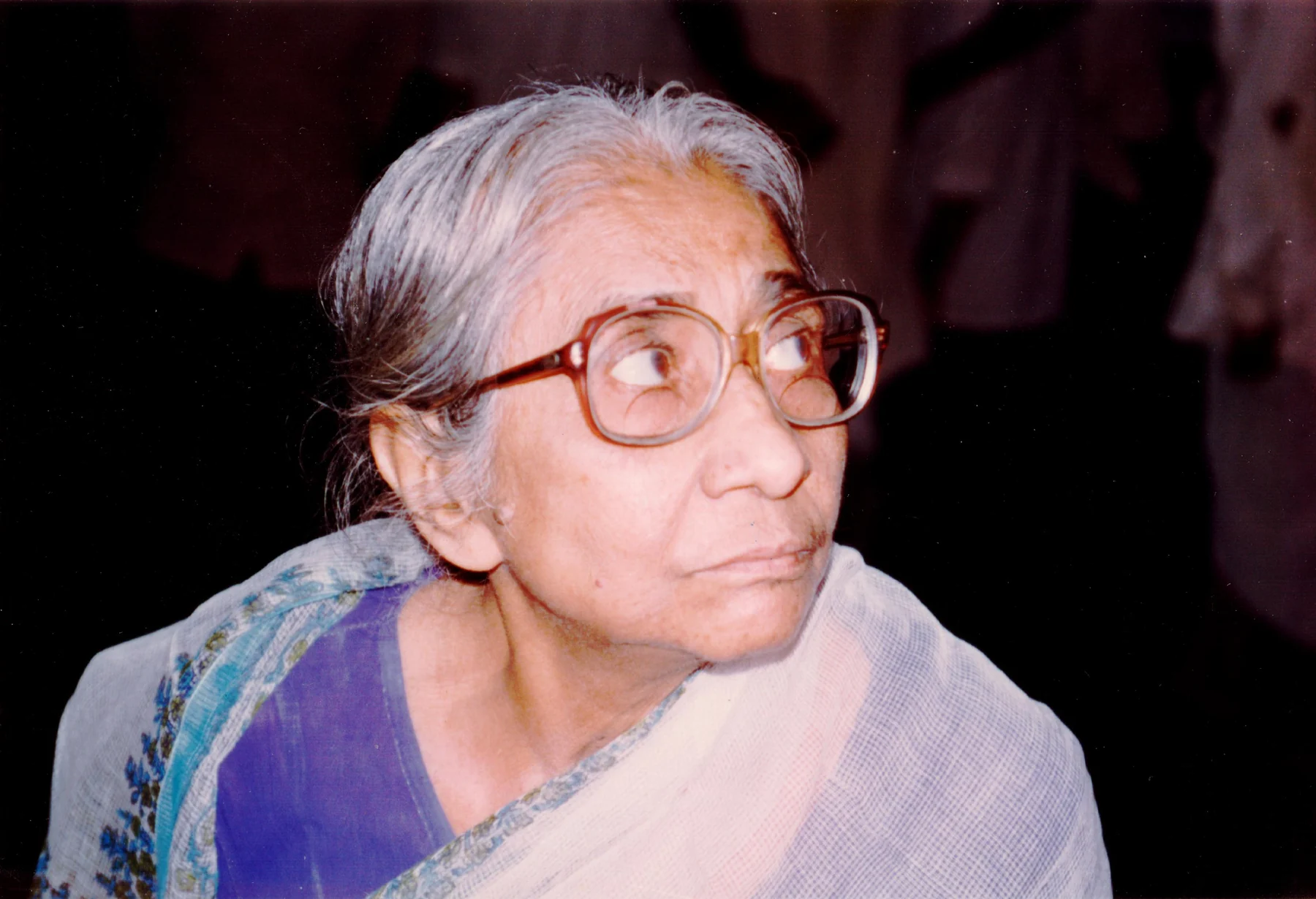
Janaki Ammal was born at Tellicherry on 4 November 1897 and studied botany in Madras before beginning graduate work in Michigan. Barbour support helped her earn a master’s in 1925 and a research doctorate in 1931. Michigan identifies her as the first Indian woman to receive a botany PhD in the United States; that is more precise than calling her the first woman botanist or the first female botany doctorate. The INSA memoir calls the research degree a DSc, while Michigan’s current account calls it a PhD. Both records identify 1931, and the honorary LLD she received in 1956 was a separate distinction.
Sugarcane research asked what happened inside a cross
At the Sugarcane Breeding Station in Coimbatore from 1934 to 1939, Ammal investigated Saccharum and related grasses. Chromosome counts and pairing during meiosis offered evidence about hybrids, fertility and the relationships of breeding material. Her academy memoir records work on crosses involving different genera as well as different species. Such work helped plant breeding by asking whether parental chromosomes could function together. It should not be reduced to the claim that she single-handedly invented Indian sugarcane. A useful crop emerges from breeding populations, institutional programmes, selection and cultivation as well as a particular cytogenetic result.
A reference book combined compilation with new observations
Working at the John Innes Horticultural Institution in Britain, Ammal collaborated with Cyril Dean Darlington on the 1945 Chromosome Atlas of Cultivated Plants. The title page names both authors. The catalogue key says roughly 150 unpublished counts by Ammal appear under the initialsE.K.J., alongside references to other investigators. Her contribution therefore included original observations within a collectively assembled reference work. The book organised botanical names, chromosome numbers, authorities, uses and distributions so researchers could compare plants. Its authors also warned that many species had been studied from only one, sometimes unrepresentative, specimen.
Horticulture left living and preserved records
In 1946 Ammal became the first female scientist employed by the Royal Horticultural Society, working as a cytologist at Wisley until 1951. The Society preserves herbarium specimens she collected or prepared and records her investigations of chromosome doubling in garden plants. Work on Magnolia is commemorated by the cultivar Magnolia kobus ‘Janaki Ammal’. Her 1948–1949 Nepal collecting expedition brought material back to Wisley. Living collections, accession records and pressed specimens thus add forms of evidence to the published papers: they connect botanical names and experiments to particular plants that institutions received, grew or preserved.
Sources for this section: [5]
Building botanical research after independence
Ammal returned to India during the reorganisation of the Botanical Survey of India. The academy memoir specifies an officer-on-special-duty role followed by leadership of the Survey’s Central Botanical Laboratory from 1954 to 1959. That is a clearer appointment history than an unqualified claim that she was director general of the whole Survey. Subsequent work took her to Jammu and later Madras, with continuing interests in cytogenetics, plant geography and ethnobotany. She received the Padma Shri in 1977. Her career joined detailed study of cells to the larger problem of organising knowledge of a country’s plant resources.
An enduring contribution with identifiable boundaries
Ammal died on 7 February 1984. Her legacy includes experimental studies, students, botanical specimens and the atlas she coauthored. The atlas should be cited with its own title and date: the 1955 Chromosome Atlas of Flowering Plants credits Darlington andA.P.Wylie, not Ammal. Preserving that distinction recognises both women accurately. Her conservation advocacy, including concern for Silent Valley, also belongs to a wider movement. The available institutional evidence supports her participation; it does not establish that the survival of a forest or the success of Indian agriculture resulted from one person’s actions alone.
Quick answers
Frequently asked questions about Janaki Ammal
- Which chromosome atlas did Janaki Ammal coauthor?
- Chromosome Atlas of Cultivated Plants, with C. D. Darlington, first published in 1945. The later Flowering Plants atlas namesA.P.Wylie as Darlington’s coauthor.
- What did her chromosome studies contribute?
- They supplied evidence about chromosome number, pairing, hybrids and ploidy that could inform plant classification and breeding.
- Was she director general of the Botanical Survey of India?
- The detailed academy memoir records reorganisation work and directorship of its Central Botanical Laboratory; this profile uses those specific roles.
Keep exploring
Lives connected to this story
- Asima Chatterjee
Compare a natural-products chemist’s different uses of plant material and laboratory evidence.
- Meghnad Saha
Compare another researcher’s work in building Indian scientific institutions.
Sources and further reading
Explore the evidence
These references support the biography and offer further reading. Official records, first-person accounts and independent reporting provide different perspectives; image records document attribution and licensing.
- 1. Indian National Science AcademyE. K. Janaki Ammal: biographical memoir
Full 13-page memoir acquired and read. Gives 4 November 1897 and 7 February 1984, the 1931 DSc, and specific BSI appointments. Avoids the looser director-general claim in short commemorative summaries.
- 2. Indian National Science AcademyJanaki Ammal: fellow record
- 3. Rackham Graduate School, University of MichiganBarbour Scholar Was First Indian Woman to Receive Botany Doctorate
The degree-awarding university identifies a 1931 PhD and limits the first to Indian women receiving botany doctorates in the United States. Degree naming differs from the INSA DSc; the visible text states the difference.
- 4. Matthaei Botanical Gardens and Nichols Arboretum, University of MichiganOutstanding in the Field: Michigan women in botany
- 5. Royal Horticultural Society; Mandeep MatharuJanaki Ammal and her horticultural legacy
The RHS collections account was read. Its figure of around 100,000 plants conflicts with the original catalogue key: over 11,000 species in about 2,000 genera. The original controls the guide; RHS is used for its own employment, specimens and expedition history.
- 6. C. D. Darlington and E. K. Janaki Ammal; George Allen & UnwinChromosome Atlas of Cultivated Plants (1945), digitised original
Full 1945 scan acquired. Title and first-publication pages, plus printed pages 38–44 of the catalogue key, inspected, including the E.K.J. unpublished counts. No claim to verify every historical count against specimens.
- 7. International Plant Names IndexChromosome Atlas of Cultivated Plants: publication record
- 8. John Innes CentreHistory of Genetics Book Collection catalogue
The institutional holdings catalogue distinguishes Darlington and Ammal’s 1945 book from Darlington and Wylie’s 1955 book. No motives for the change in coauthorship are inferred.