In this biography
Quick facts
- Born
- 12 July 1929
- Died
- 29 November 2001
- Birthplace
- Kuala Sedili, Johor, present-day Malaysia
- Country
- Malaysia
- Nationality
- Malaysian
- Known for
- Tongkat Warrant, Salam Benua, Uda dan Dara and socially engaged Malay literature
- Pen name
- Tongkat Warrant
- Primary language
- Malay
- Literary forms
- Poetry, drama, short stories and a novel
- National recognition
- Malaysia’s third National Laureate, 1983
- Selected works
- Salam Benua, Uda dan Dara and Tamu di Bukit Kenny
Why this life matters
His work connects modern Malay poetry with social criticism and cross-language readership, while his editorial career helped sustain Malaysia’s literary institutions.
Timeline
Key moments
Born in Johor
Born on July 12 in the Kuala Sedili area.
Police and newspaper work
Worked in policing, proofreading and editorial roles before the later institutional literary career.
Publishing and drama
Joined DBP’s editorial work and developed poetry and stage writing.
Tamu di Bukit Kenny
DBP’s theatre account dates a production to 1967; its reference record identifies the 1968 collected publication.
Salam Benua
DBP published the poetry collection, also presented as Greetings to the Continent.
National Laureate
Received the Anugerah Sastera Negara.
Death
Died on November 29 in Kuala Lumpur.
Continuing public performance
DBP documented performances of his poems in a contemporary poetry programme.
Johor, working life and the name Tongkat Warrant
Usman Awang was born on 12 July 1929 in the Kuala Sedili area of Johor. He attended Malay schools and later worked in policing and newspapers, including proofreading and editorial duties. These experiences preceded the literary and institutional recognition that made him a major figure in modern Malay writing.
Tongkat Warrant was one of his pen names, not a different writer. DBP’s reference record identifies him as Usman bin Awang and describes the circulation of his poetry in translation. His main language was Malay, while the work reached readers in languages including English, Chinese, Russian and Tamil.
Poetry, ordinary lives and social criticism
His poetry combined an accessible lyrical voice with attention to ordinary people, human relationships and the social world. A DBP publishing retrospective characterises the writing as romantic in style while frequently carrying social criticism. That combination is more useful than treating lyricism and political concern as opposing descriptions of his work.
Salam Benua, published by DBP in 1982 and presented in English as Greetings to the Continent, is one entry point into that poetry. Alongside titles such as Pak Utih and Ke Makam Bonda, it shows why his reputation is not confined to one poem or one occasion of public recognition. Individual titles identify works; the poems themselves remain copyrighted texts.
Drama, publishing and the life of a literary work
Usman also wrote for the stage, with works including Uda dan Dara and Tamu di Bukit Kenny. DBP’s theatre history dates a Tamu di Bukit Kenny production to 1967, while its reference material records publication with other plays in 1968. Performance and publication were separate ways in which the writing reached an audience.
The Uda dan Dara catalogue includes later editions and adaptations across languages and forms. Those records should not all be labelled the date of the original play. Usman’s editorial work at Dewan Bahasa dan Pustaka also connected his own writing with the institutions through which other authors, magazines and literary activities could develop.
National Laureate and a continuing performance legacy
Usman received the Anugerah Sastera Negara in 1983 and is identified as Malaysia’s third National Laureate. He died in Kuala Lumpur on 29 November 2001. The recognition belongs within a career that included poems, plays and editorial labour, rather than serving as a substitute for reading the work.
His writing continues to be performed. A July 2025 DBP account records recitations of Salam Benua and Tanah Air (Menjelang Kemerdekaan), including a contribution by Victor Pogadaev. Such events show an ongoing life in public reading and interpretation. They are posthumous performances of existing works, not new poems published by Usman after his death.
Quick answers
Frequently asked questions about Usman Awang
- Who was Usman Awang?
- He was a Malaysian Malay-language poet, playwright and National Laureate whose work combined lyrical writing with concern for ordinary lives and social conditions.
- Was Tongkat Warrant another name for Usman Awang?
- Yes. Tongkat Warrant was one of his pen names, not a separate author.
- When did Usman Awang become a National Laureate?
- He received the Anugerah Sastera Negara in 1983 and is identified by DBP as Malaysia’s third National Laureate.
- Which Usman Awang works can readers begin with?
- Salam Benua is a useful poetry collection; Uda dan Dara and Tamu di Bukit Kenny introduce his drama. Editions, translations and stage productions can have different dates.
Keep exploring
Lives connected to this story
- Noordin Hassan
Explore symbolism, traditional performance and Teater Fitrah in modern Malay drama.
- Siti Zainon Ismail
Explore another National Laureate through poetry, visual art and Malay cultural research.
- A. Samad Said
Compare another Malaysian National Laureate’s writing, public voice and relationship with Malay literary culture.
- Tash Aw
Explore a later Malaysian literary career in English rather than treating all Malaysian writing as one language or generation.
- Pramoedya Ananta Toer
Compare another Southeast Asian writer’s engagement with social life and history across a different national experience.
Sources and further reading
Explore the evidence
These references support the biography and offer further reading. Official records, first-person accounts and independent reporting provide different perspectives; image records document attribution and licensing.
- 1. DBP · e-Wajah Penulis, Usman Awang entryBirth, death, working life, selected works and 1983 national recognition
This is a multi-author DBP directory: use the Usman Awang entry rather than neighbouring writers’ records. Birthplace wording varies at village level, so Kuala Sedili is retained. The 1983 National Laureate date is not confused with differing SEA Write year labels.
- 2. DBP PRPM · encyclopaedia recordTongkat Warrant, full name, translations and collected drama publication
The older open-ended lifespan in this entry is superseded by DBP’s dated death record. Its Tongkat Warrant identification and translation information remain useful.
- 3. Dewan Sastera / DBP · 21 June 2022Salam Benua in publishing history and the writing’s social criticism
- 4. DBP PRPM · Uda dan Dara catalogueMultiple editions, languages and adaptations
A reprint, translated edition or audiovisual adaptation date is not automatically the first composition or first staging date. No copyrighted poem or play passage is reproduced.
- 5. Dewan Budaya / DBP · 27 June 2024Tamu di Bukit Kenny in the institution’s theatre history
- 6. Dewan Sastera / DBP · 27 July 2025Public performance of Usman’s poems after his death
This documents a 2025 performance, not a new work authored after 2001. Victor Pogadaev’s participation is reported separately from his portrait-photographer credit.
- 7. Wikimedia Commons · Victor Pogadaev1987 own-work portrait and CC BY-SA 3.0
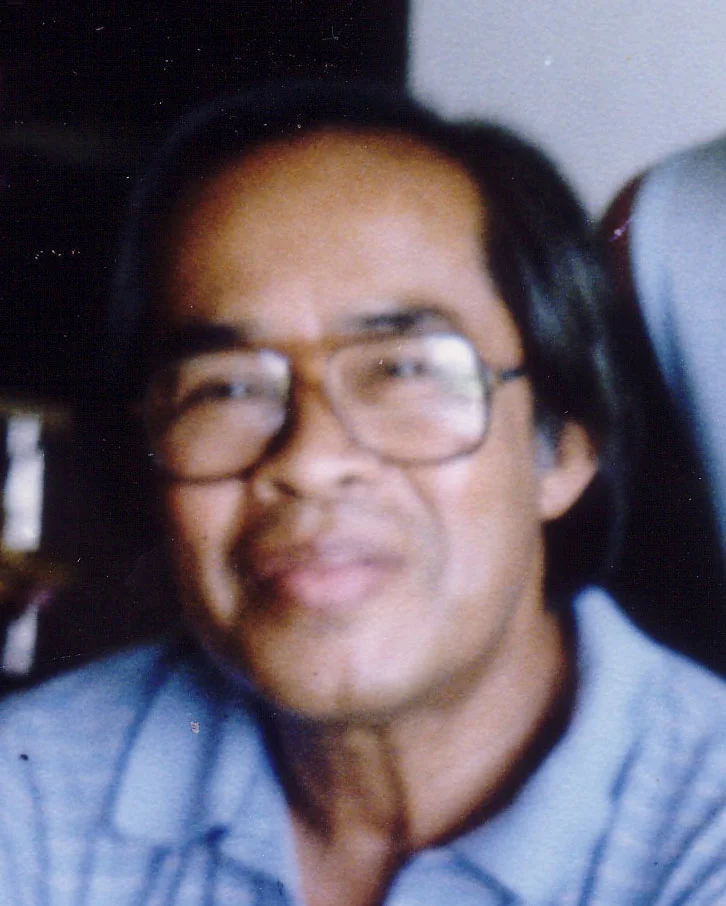
Victor Pogadaev declares the 1987 portrait as own work, dual licensed GFDL and CC BY-SA 3.0. This use selects CC BY-SA 3.0 and retains the full supplied 726 × 906 frame.