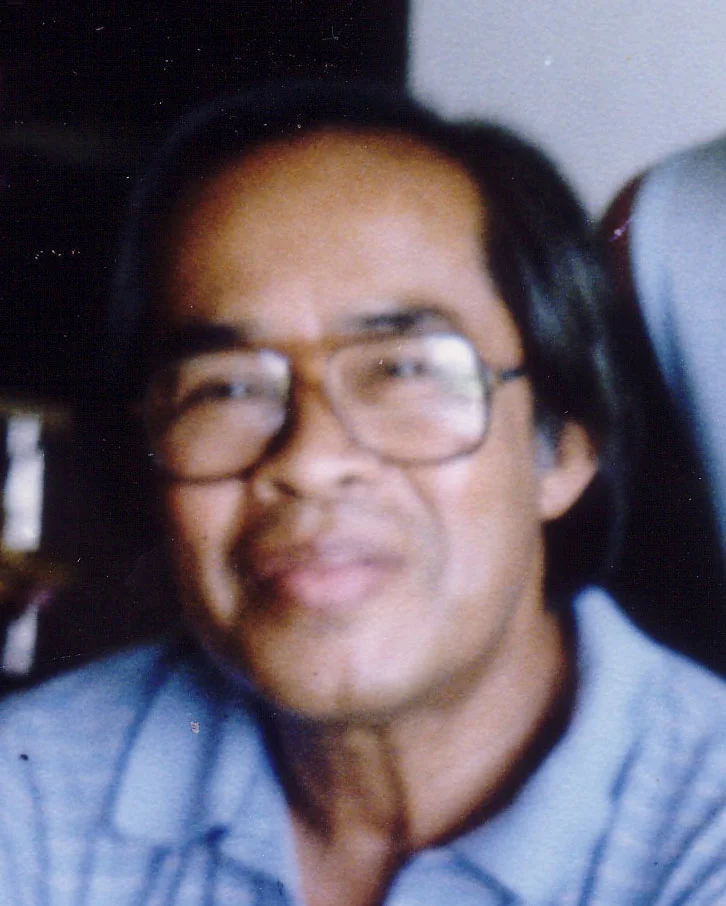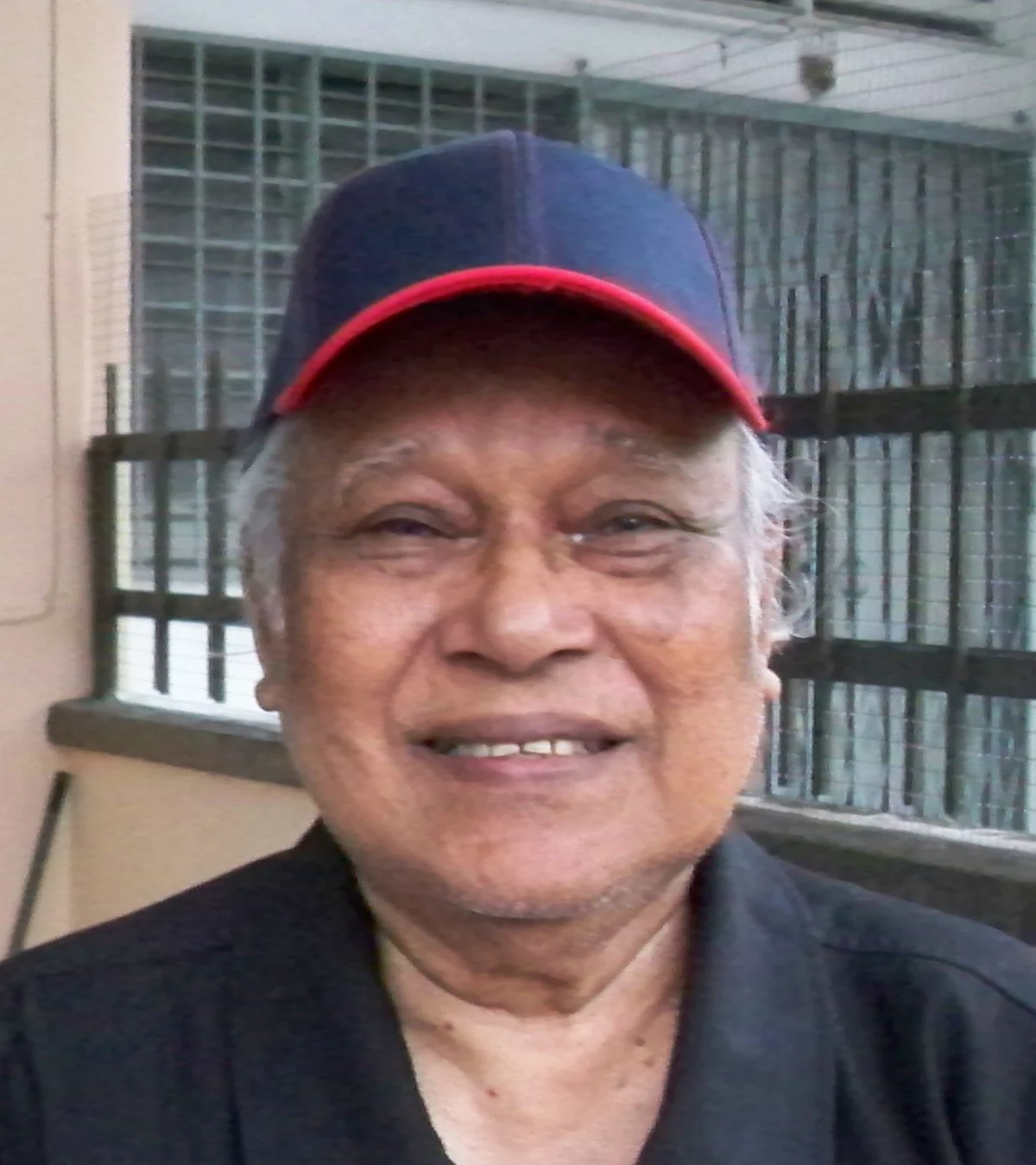
In this biography
Quick facts
- Born
- 18 January 1929
- Birthplace
- Jalan Hatin, Penang, Malaysia
- Country
- Malaysia
- Nationality
- Malaysian
- Known for
- Bukan Lalang Ditiup Angin, 1400 and the concept of Teater Fitrah
- Birth
- 18 January 1929, Jalan Hatin, Penang
- Teacher training
- Kirkby College from 1952; later English-language and drama study
- Breakthrough play
- Bukan Lalang Ditiup Angin, staged from 1970
- Theatre concept
- Teater Fitrah
- National Laureate
- Seventh recipient, 1993
Why this life matters
His work connects teacher training, modern stage experimentation and Malay-Islamic reflection in Malaysian literary history.
Timeline
Key moments
Penang birth
Born on 18 January at Jalan Hatin.
Kirkby College
Began teacher training in England.
Bukan Lalang Ditiup Angin
The drama began its stage history before its later book publication.
Book publication
DBP’s reference entry dates publication of the Bukan Lalang volume to this year.
1400
Wrote and directed a major work associated with Teater Fitrah.
Television drama work
DBP records programme-production work in RTM’s drama division.
National Laureate
Recognised as Malaysia’s seventh Sasterawan Negara.
Penang childhood and teacher training
Noordin Hassan was born on 18 January 1929 at Jalan Hatin in Penang. His education included Perak Road Malay School, Francis Light School and Penang Free School. The literary record also describes religious study alongside his early English-language schooling.
In 1952 he went to Kirkby College in England for teacher training. Further study included English teaching in London and drama in education at Newcastle. He taught and trained teachers in Malaysia, developing a career in which language, music and performance could meet in the classroom as well as on stage.
Bukan Lalang Ditiup Angin: stage and book
Bukan Lalang Ditiup Angin became a landmark in his development as a modern Malay dramatist. DBP’s reference entry records performances from 1970, while dating the book’s publication to 1979. The volume also contains Tiang Seri Tegak Berlima and Pintu.
The distinction matters when following his bibliography: a later printed edition is not necessarily the first public appearance of a play. DBP’s biographical account places the work after the May 1969 crisis. Rather than merely reproducing realistic dialogue, his theatre made room for symbolism, music and inherited performance forms.
What Teater Fitrah means in his work
Noordin developed Teater Fitrah as a Malay-Islamic approach to modern theatre. S. M. Zakir’s study identifies 1400 as a turning point while tracing the longer search behind the concept to earlier decades. DBP dates Noordin’s writing and direction of 1400 to 1981.
The approach links dramatic form with an understanding of human responsibility and submission to God. A 2022 DBP–University of Malaya discussion describes the recovery of traditional poetry, boria singing, bangsawan comedy and Malay dance within modern performance. These are specific artistic resources, not a claim that his plays follow one unchanging production formula.
Beyond one play: teaching, television and recognition
His work also moved beyond a single theatre production. DBP records teaching appointments and programme-production work in RTM’s drama division in 1984–1989, alongside television scripts. His writing therefore crossed educational, stage and broadcast settings rather than remaining only a printed literary career.
In 1993 he became Malaysia’s seventh National Laureate. UiTM’s collection identifies plays including Peran, Anak Tanjung and Sirih Bertepuk Pinang Menari as part of his wider output. Read beside his better-known early work and Teater Fitrah, that repertoire shows why his place in Malaysian literature rests substantially on drama and performance.
Quick answers
Frequently asked questions about Noordin Hassan
- Who is Noordin Hassan?
- He is a Malaysian playwright and theatre director, recognised as the seventh National Laureate in 1993.
- What is Teater Fitrah?
- It is his Malay-Islamic approach to modern theatre, connecting dramatic form with religious reflection and traditional performance resources.
- Was Bukan Lalang Ditiup Angin first published in 1970?
- DBP distinguishes performances from 1970 from the book’s 1979 publication.
- Which play is associated with Teater Fitrah’s development?
- The study by S. M. Zakir identifies 1400 as an important turning point; DBP dates Noordin’s writing and direction of it to 1981.
Keep exploring
Lives connected to this story
- Rahimidin Zahari
Explore another literary practitioner’s work across poetry, theatre and traditional performance.
- Usman Awang
Compare another major literary figure’s engagement with drama and social questions.
- Anwar Ridhwan
Read another National Laureate whose career connects literary production and cultural institutions.
- Zurinah Hassan
Explore a different National Laureate’s poetry and scholarship.
Sources and further reading
Explore the evidence
These references support the biography and offer further reading. Official records, first-person accounts and independent reporting provide different perspectives; image records document attribution and licensing.
- 1. Dewan Bahasa dan Pustaka · e-Wajah biographyBirth, education, teaching, drama and broadcast career
- 2. UiTM Library · National Laureates collection1929 birth, repertoire and seventh-laureate recognition
- 3. DBP · PRPM encyclopaedia entryBukan Lalang performance and publication chronology
Stage chronology and book publication remain separate; the 1979 book date does not erase performances from 1970.
- 4. DBP · S. M. Zakir study, published 2021Development of the Teater Fitrah concept
- 5. Dewan Sastera · 22 July 2022 discussion reportTraditional performance resources and scholarly discussion
This event report prints 1926 as his birth year; the dedicated DBP and UiTM biographies independently give 18 January 1929, used here. The report supports the attributed discussion of performance forms, not the conflicting birth year.
- 6. Wikimedia Commons · Victor PogadaevAuthor-created Kuala Lumpur photograph and CC BY-SA release
The photographer describes Kuala Lumpur and dates the supplied work 2 September 2002. The 2017 upload date is not substituted for that date. CC BY-SA 4.0 is selected from the author’s dual release.