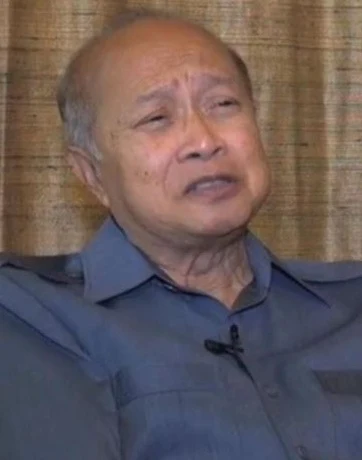
In this biography
Quick facts
- Born
- 16 April 1950
- Died
- 15 March 2017
- Birthplace
- Takeo province, Cambodia
- Country
- Cambodia
- Nationality
- Cambodian
- Known for
- Government coordination, heritage policy and negotiations establishing the ECCC
- Born
- 16 April 1950, Takeo province
- Diplomatic appointments
- Foreign Affairs secretary-general, 1981; ambassador to India, 1985
- Council of Ministers
- Co-minister from 1993; senior-minister rank from 1998
- Deputy prime minister
- 16 July 2004–15 March 2017
- ECCC role
- Government task-force chairman and negotiator, not a judge
- Died
- 15 March 2017, Beijing
Why this life matters
His career connects postwar government-building with international heritage cooperation and the governmental process that helped establish a hybrid tribunal.
Timeline
Key moments
Birth
Born in Takeo province on 16 April.
Academic and diplomatic training
University graduation and pedagogy qualification, followed by diplomacy study.
Foreign affairs
Secretary-general, ambassador to India and later vice-minister.
Parliament and Cabinet administration
Elected for Takeo and appointed co-minister responsible for the Council of Ministers.
UN–Cambodia agreement
Signed the ECCC agreement on 6 June for the Cambodian government.
Deputy prime minister
Appointment dated 16 July.
World Heritage Committee
Chaired the session held in Phnom Penh.
Death
Died in Beijing on 15 March.
Education and diplomatic service
Sok An was born on 16 April 1950 in Takeo province. Institutional biographies differ over the district, so the province is the reliable geographic level to retain. The University of Cambodia’s account records university graduation in Phnom Penh in 1972, with study in geography, history and sociology, and a senior pedagogy qualification that year.
He subsequently studied diplomacy at the National School of Administration in 1974–1975. His later government career included secretary-general of Foreign Affairs in 1981, ambassador to India in 1985 and vice-minister of Foreign Affairs in 1988. These appointments established a diplomatic and administrative background before his longer association with the Council of Ministers.
Parliament and the Council of Ministers
Following the 1993 UNTAC-organised elections, Sok An became a member of Parliament for Takeo and co-minister responsible for the Office of the Council of Ministers. The university biography dates senior-minister rank to 1998. His responsibilities developed through distinct appointments rather than beginning with one unchanged title.
A UN public-administration profile hosted by Cambodia’s Civil Service Ministry dates his deputy-premier appointment to 16 July 2004. He remained deputy prime minister and minister responsible for the Council of Ministers until his death. Describing the entire Council of Ministers career as starting in 2004 would overlook the earlier decade of Cabinet administration.
Heritage institutions and international cooperation
Sok An’s responsibilities also extended into heritage policy. UNESCO’s oral archive identifies his chairmanships of APSARA and Cambodia’s National Commission for UNESCO, as well as the 2013 World Heritage Committee session in Phnom Penh. Those positions brought government administration into contact with international conservation institutions.
ICCROM’s memorial records participation in ICC-Angkor meetings from 2004 through his final illness and cooperation on conservation training. It also describes work associated with returned Koh Ker antiquities and assessment of damage at Preah Vihear. These were collaborative activities involving specialists, institutions and governments; official participation does not make him the sole conservator or independently settle contested territorial interpretations.
Tribunal negotiations and final years
As chairman of the Cambodian government’s task force, Sok An helped negotiate arrangements for the Extraordinary Chambers in the Courts of Cambodia. His signature appears on the UN–Cambodia agreement of 6 June 2003. The ECCC’s account distinguishes the governmental negotiations from the work of the court, whose judges and prosecutors held separate judicial responsibilities.
His role should therefore not be described as trying defendants or delivering judgments. He was a governmental negotiator and administrator in the tribunal’s establishment. Contemporary reporting quoting government spokesman Phay Siphan records his death in Beijing on 15 March 2017, aged 66, bringing his ministerial and deputy-premier service to an end.
Quick answers
Frequently asked questions about Sok An
- Where was Sok An born?
- In Takeo province, Cambodia. The checked institutional accounts differ over the district, so the article does not choose an unverified narrower location.
- When did he become deputy prime minister?
- The UN public-administration profile dates the appointment to 16 July 2004.
- Was Sok An an ECCC judge?
- No. He chaired the Cambodian government task force and negotiated arrangements; judges and prosecutors had separate judicial roles.
- When and where did he die?
- He died in Beijing on 15 March 2017.
Keep exploring
Lives connected to this story
- Kao Kim Hourn
Compare another Cambodian public official’s distinct work in diplomacy, education and international institutions.
- Hun Sen
Place Sok An’s senior government service within the premiership during that period.
Sources and further reading
Explore the evidence
These references support the biography and offer further reading. Official records, first-person accounts and independent reporting provide different perspectives; image records document attribution and licensing.
- 1. University of Cambodia · institutional biographyBirth date, education and progression through public offices
The university biography places his birth in Kirivong while a parliamentary directory gives Treang; only the shared Takeo province is published. Subject areas are not inflated into three separate university degrees. Indexed institutional text was readable when direct opening failed.
- 2. COMFREL · parliamentary directoryDifferent district identification; shared Takeo province
- 3. UN · Cambodia public-administration profileDeputy-premier appointment dated 16 July 2004
The 2004 deputy-premier appointment is distinct from the Council of Ministers role dating to 1993 and senior-minister rank in 1998.
- 4. UNESCO · oral archiveHeritage chairmanships and 2013 session
- 5. ICCROM · memorialConservation cooperation and institutional activities
Institutional memorial praise is not treated as independent proof of sole achievements. Its inconsistent age of 67 is not adopted; the birth and death dates establish 66.
- 6. ECCC · official bookletGovernment task force and the separate court
Government negotiation is not judicial service. Do not imply he was a judge or prosecutor, or attribute the court’s decisions to him.
- 7. United Nations · Juridical Yearbook6 June 2003 agreement and signatures
- 8. Phnom Penh Post · government spokesmanContemporary confirmation of death in Beijing
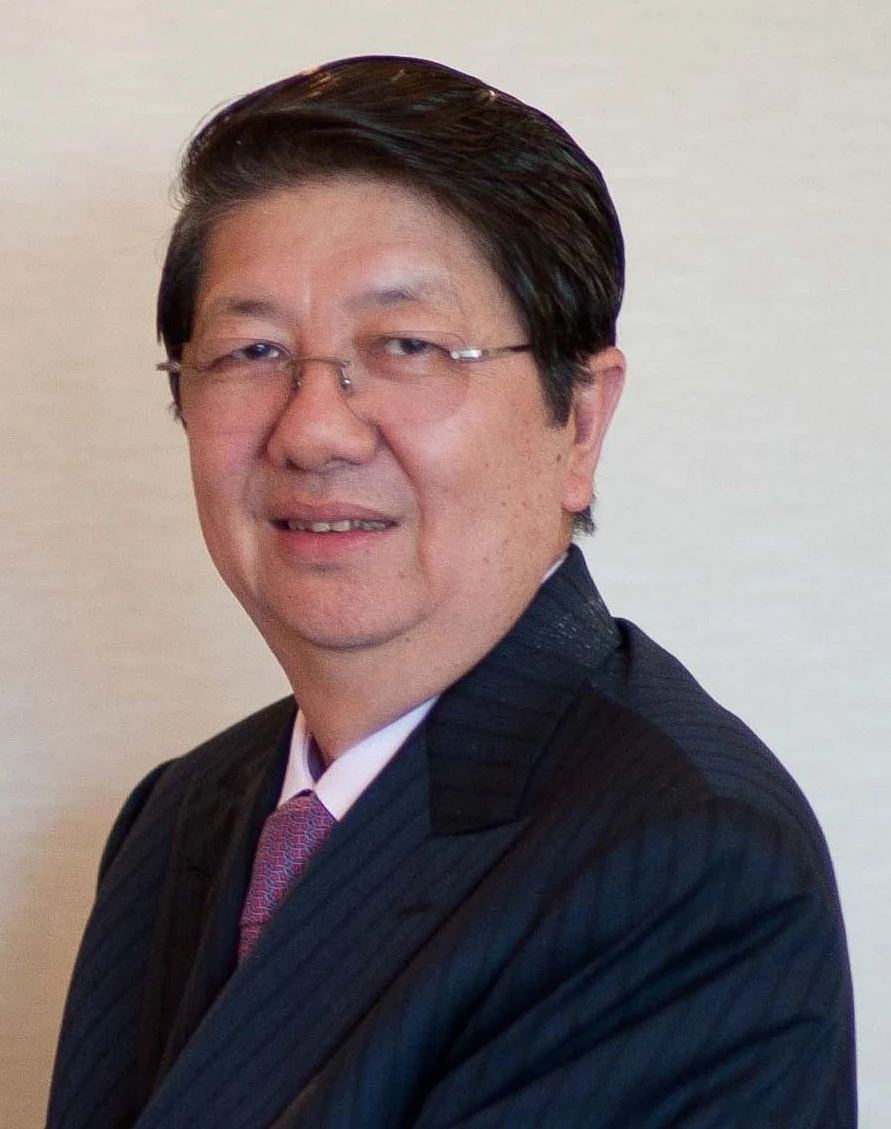
- 9. Wikimedia Commons · Pedro FrançaBrazil culture-ministry portrait, reviewed CC BY 2.0
Pedro França is the named photographer; the Brazilian ministry’s Flickr CC BY 2.0 permission passed Commons review on 11 February 2011.