In this biography
Quick facts
- Born
- 2 January 1944
- Died
- 28 November 2021
- Birthplace
- Phnom Penh, Cambodia
- Country
- Cambodia
- Nationality
- Cambodian
- Known for
- FUNCINPEC’s 1993 election result, power-sharing government and later parliamentary leadership
- Born
- 2 January 1944, Phnom Penh
- Died
- 28 November 2021, France
- Family
- Son of Norodom Sihanouk and Phat Kanhol
- Academic work
- Legal education in France and law teaching in Aix-en-Provence
- First prime minister
- 1993–1997, alongside Hun Sen as second prime minister
- National Assembly president
- 1998–2006
Why this life matters
His career connects royalist organisation and the UN-supervised election with a fragile power-sharing settlement, its violent collapse and a later parliamentary role.
Timeline
Key moments
Birth
Born in Phnom Penh on 2 January.
Doctoral studies
Contemporary biographical reporting dates completion of his doctorate to this year.
Political representation
Takes on royalist political responsibilities after an academic career.
Election and power sharing
FUNCINPEC wins 58 seats; the constitutional settlement makes him first prime minister.
Justice request and coalition collapse
Co-signs a UN assistance request on 21 June; armed conflict removes him from power in July.
Parliamentary leadership
Serves as National Assembly president.
Death
Dies in France on 28 November.
A prince trained in law
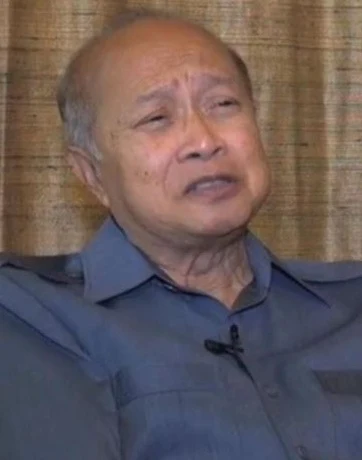
Norodom Ranariddh was born in Phnom Penh on 2 January 1944, a son of Norodom Sihanouk and Phat Kanhol. His early adult career developed through education in France rather than immediately through national office. Biographical reporting records completion of a law doctorate in 1976 and teaching in Aix-en-Provence.
This academic background formed a distinct phase before his later role as a royalist organiser. An authorised biographer’s retrospective draws on interviews about that transition, but personal recollections are not a reason to adopt every celebratory assessment of his career. He was a prince and political leader, not a king.
Royalist organisation and the 1993 election
During the 1980s he moved into political representation and the royalist organisation that became central to his public identity. As FUNCINPEC’s leader, he entered the 1993 UN-supervised election at the end of a long period of conflict. The result gave his party the largest number of seats in the constituent assembly.
The UN account records 58 seats for FUNCINPEC against 51 for the Cambodian People’s Party. That was a plurality, not an outright majority. Following the new constitution and restoration of the monarchy in September, Ranariddh became first prime minister and Hun Sen second prime minister. The arrangement paired competing political forces within one government.
Parliamentary leadership and later life
Ranariddh returned to a substantial institutional role as president of the National Assembly from 1998 to 2006. Later royalist-party leadership was marked by changes and renewed attempts at political relevance, rather than a return to the same position he had occupied after the 1993 election.
A 2018 road accident killed Ouk Phalla and seriously injured him. He died in France on 28 November 2021, with contemporary reporting identifying him as FUNCINPEC president until his death. His legacy includes a significant electoral breakthrough and parliamentary service, but also the limits of a power-sharing structure that did not prevent violent conflict.
Quick answers
Frequently asked questions about Norodom Ranariddh
- Was Norodom Ranariddh a king?
- No. He was a Cambodian prince, FUNCINPEC leader, first prime minister and later National Assembly president.
- Why did Cambodia have two prime ministers after 1993?
- The post-election power-sharing settlement paired FUNCINPEC’s Ranariddh as first prime minister with CPP’s Hun Sen as second prime minister.
- Did FUNCINPEC win an outright majority in 1993?
- No. The UN records 58 constituent-assembly seats, the largest party total but not an outright majority.
- When did Norodom Ranariddh die?
- He died in France on 28 November 2021. A more specific death city or unconfirmed cause is not asserted here.
Keep exploring
Lives connected to this story
- Heng Samrin
Read about Heng Samrin’s subsequent National Assembly presidency and the legislature’s 2023 leadership transition.
- Norodom Sihanouk
Read about Ranariddh’s father and distinguish the restored monarch’s role from the prince’s premiership.
- Hun Sen
Compare the second prime minister’s separate political base and later leadership.
- Sam Rainsy
Explore another Cambodian party leader’s different electoral and opposition career.
Sources and further reading
Explore the evidence
These references support the biography and offer further reading. Official records, first-person accounts and independent reporting provide different perspectives; image records document attribution and licensing.
- 1. CamboJA · 5 December 2021Family, education, political career and continuing party leadership
The report’s compressed post-1997 succession is not copied: Ung Huot intervened as first prime minister. Doctoral completion is reported from the contemporary biography without adding an unverified thesis title.
- 2. VOV · 29 November 2021Birthplace, birth date, death in France and the 2018 accident
France is established; no disputed death city or unconfirmed medical cause is inferred.
- 3. United Nations · UNTAC historical account1993 seat totals and the constitutional power-sharing settlement
58 seats represent a plurality, not an outright majority. First and second prime minister are the specific offices in the post-election settlement.
- 4. UN document A/51/930–S/1997/488 · 21 June 1997Joint request by Ranariddh and Hun Sen for accountability assistance
The co-signed request is distinct from later tribunal legislation and operation. Its date is not the tribunal’s founding date.
- 5. Phnom Penh Post · 28 November 2021Premiership, 1998–2006 assembly presidency and death announcement
- 6. Harish C. Mehta · authorised biographer’s retrospectiveAcademic-to-political transition and the July 1997 overthrow
The author’s extensive interviews inform the retrospective. Tribute language and broad claims of personal economic achievement are not adopted as neutral findings.
- 7. Wikimedia Commons · image provenanceNorodom Ranariddh photograph, creator and reuse terms
The original VOA Khmer report identifies the subject and credits Heng Reaksmey / VOA Khmer. This is VOA-produced material, not a photograph attributed to an outside wire agency. The 362 × 460 supplied portrait is retained without enlargement or additional cropping. Original report: https://khmer.voanews.com/a/cambodia-new-royalist-party-would-have-little-hope-analysts-say-khmer/1859546.html