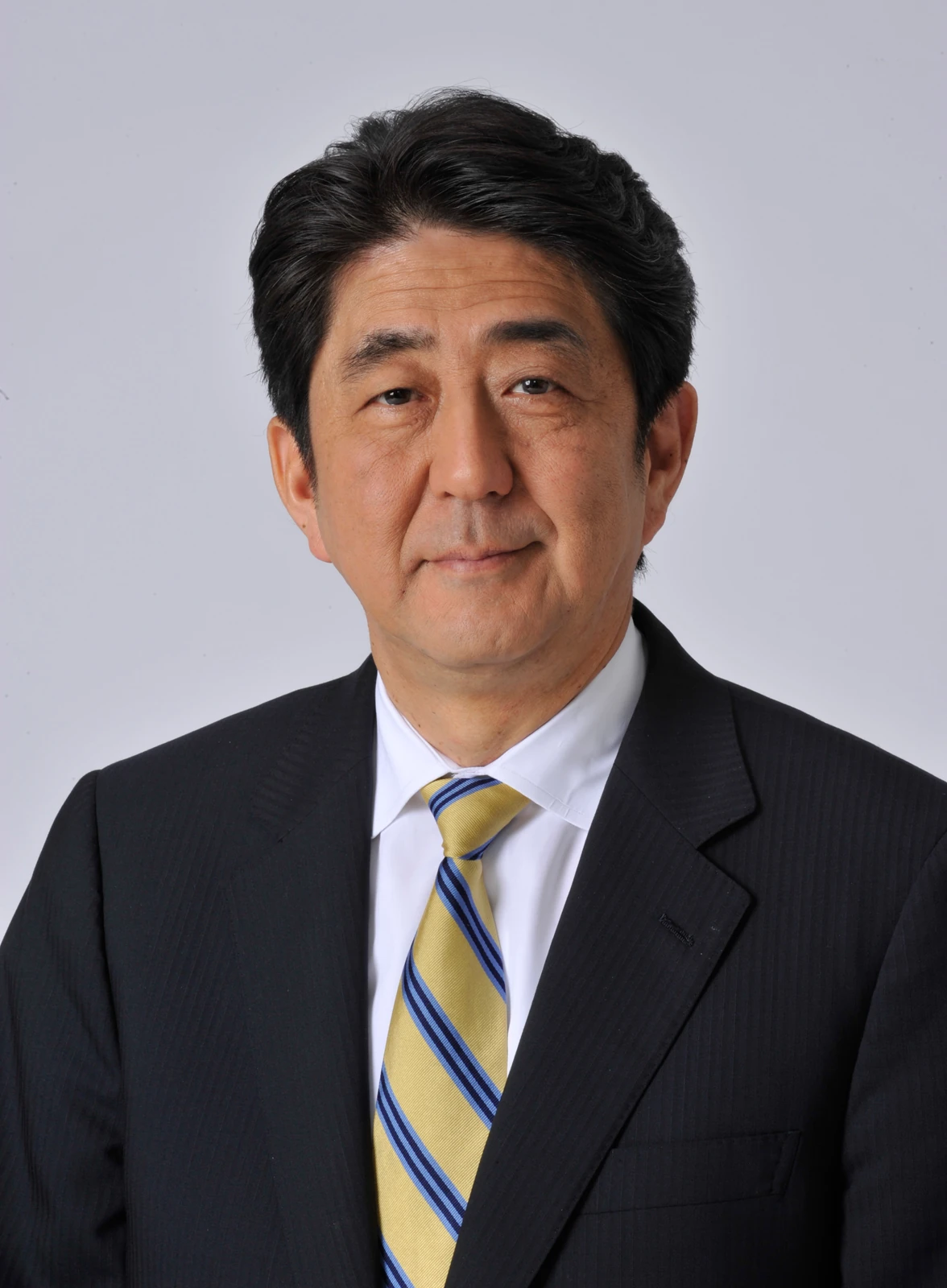
In this biography
Quick facts
- Born
- 21 September 1954
- Died
- 8 July 2022
- Birthplace
- Tokyo, Japan
- Country
- Japan
- Nationality
- Not independently established
- Known for
- Economic and security policy
- First Diet election
- 1993
Why this life matters
His two premierships connect party leadership, economic policy and a consequential struggle over how the state’s security powers should be understood.
Timeline
Key moments
Economic target
A 2% inflation target was announced.
From private employment to the political centre
Abe graduated in political science from Seikei University in 1977 and joined Kobe Steel in 1979. Work as an executive assistant to the foreign minister preceded his first election to the House of Representatives in 1993. He rose through party posts and became chief Cabinet secretary in 2005.
This was a route into national leadership through both the party organisation and the machinery of government, rather than an immediate move from private employment to the premiership.
Sources for this section: [1]
A first term and an unusual return
He became LDP president and prime minister in 2006, resigned the following year and returned to both leadership positions in 2012.
The government and Bank of Japan announced a 2% inflation target in January 2013. Consumption-tax increases and their postponement became further landmarks of his economic administration.
The economic record therefore contains more than a slogan: it combines monetary targets with politically consequential choices about taxation and timing. A target, however, is a policy commitment rather than a measured result.
Security policy and constitutional interpretation
His government’s July 2014 Cabinet decision argued for a revised interpretation within what it called the existing constitutional logic and directed preparation of legislation.
The ministry’s subsequent account dates Diet approval of security legislation to September 2015.
That programme made the relationship between constitutional language and executive interpretation central to his political legacy. Its institutional importance cannot be reduced to the longevity of one officeholder, and its approval did not turn an executive argument into a court judgment.
Pandemic, departure and killing
His later administration faced the postponement of the Tokyo Olympics and a nationwide COVID-19 emergency. In August 2020 he announced that recurrent illness made him unable to continue confidently in office.
His second premiership ended in September 2020.
He was killed during an election campaign on 8 July 2022.
His career combined an unusual return to executive power with an extended effort to change the government’s economic and security direction. The abrupt ending did not settle the political arguments surrounding those choices.
Quick answers
Frequently asked questions about Shinzo Abe
- Does an announced inflation target prove it was achieved?
- No. A target records a policy commitment; evidence of outcomes must be assessed separately.
Keep exploring
Lives connected to this story
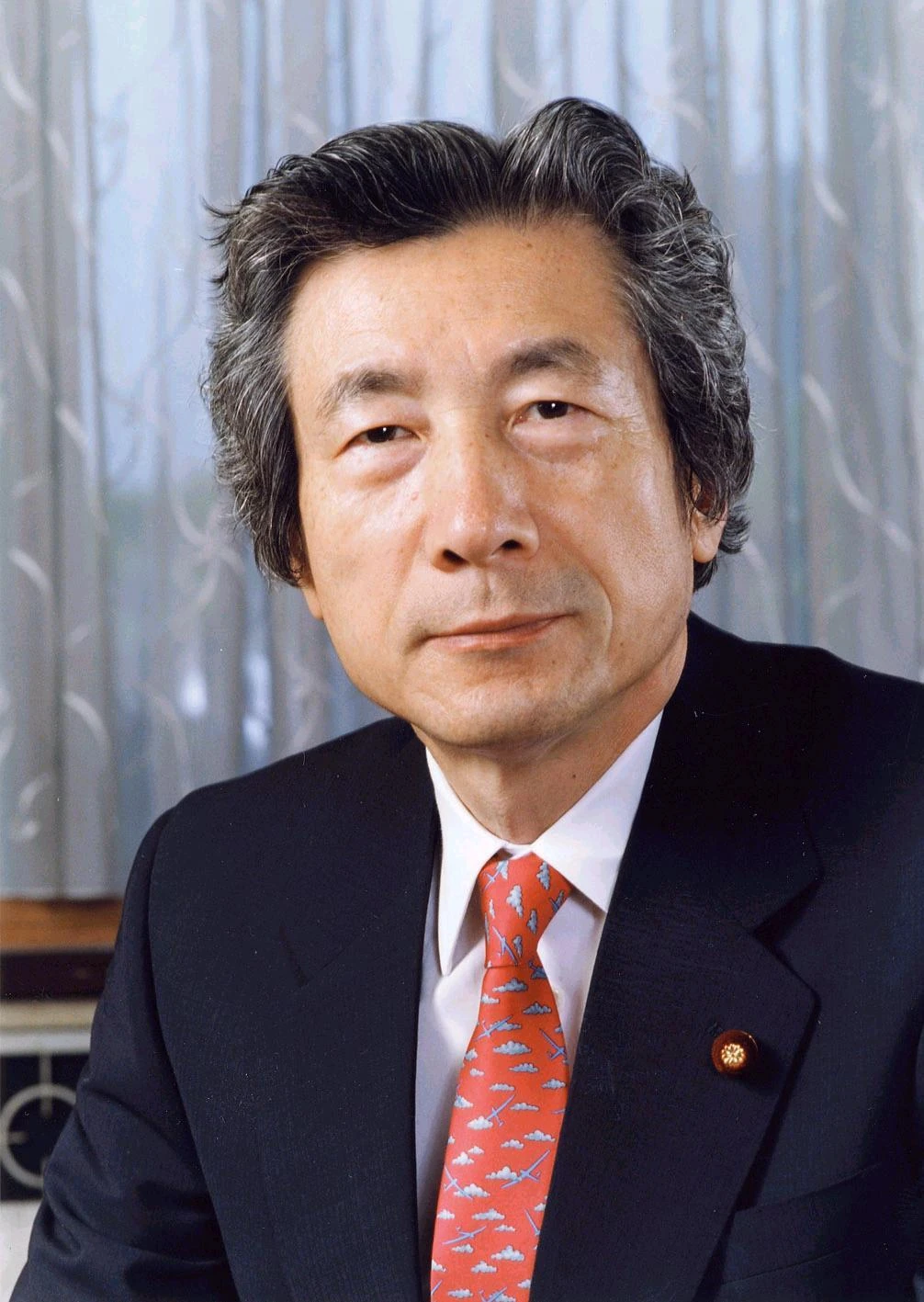
- Junichiro Koizumi
Continue with another career and compare the institutions through which political choices were made.
- Nobusuke Kishi
Continue with another career and compare the institutions through which political choices were made.
Sources and further reading
Explore the evidence
These references support the biography and offer further reading. Official records, first-person accounts and independent reporting provide different perspectives; image records document attribution and licensing.
- 1. Prime Minister’s Office of JapanShinzo Abe: archived ministerial profile
Archived office list, not a current role or an independent policy evaluation.
- 2. Nippon Communications FoundationAbe’s Japan, 2012–20: A Timeline
Selected retrospective timeline, not the original BOJ joint statement or an impact evaluation. The failed BOJ request supplies no content.
- 3. Prime Minister’s Office of JapanPress conference on the passing of former Prime Minister Abe
Provisional English translation; not a trial judgment or a claim about an offender’s legal outcome.
- 4. Prime Minister’s Office of JapanPrevious prime ministers: selected terms
Direct legacy URLs returned 404. Actual indexed rows support the dates; inclusive day counts are not recalculated or used.
- 5. Ministry of Foreign Affairs of JapanCabinet Decision on development of seamless security legislation
Executive interpretation and direction to prepare legislation, not a constitutional amendment or judicial ruling.
- 6. Ministry of Foreign Affairs of JapanDevelopment of Security Legislation
Official explanatory summary, not a read of every amended Act or a present operational/legal opinion.