In this biography
Quick facts
- Born
- 13 November 1896
- Died
- 7 August 1987
- Birthplace
- Yamaguchi, Japan
- Country
- Japan
- Nationality
- Not independently established
- Known for
- Wartime economic administration and the 1960 U.S.–Japan security treaty
- Education
- Imperial University of Tokyo law,1920
- Wartime role
- Commerce and industry minister in the Tōjō cabinet
- Postwar detention
- Released in 1948 without prosecution
- Prime minister
- 1957–1960
Why this life matters
His career requires separating wartime responsibility, detention without prosecution, later electoral office and the legal content of an alliance treaty.
Timeline
Key moments
Birth
Born in Yamaguchi.
Civil service
Graduated in law and entered the Ministry of Agriculture and Commerce.
Imperial and wartime administration
Held economic office in Manchukuo and the Tōjō cabinet.
Detention
Held as a suspected Class A war criminal and released without prosecution.
Return to politics
Purge restrictions ended; party organisation preceded the premiership.
Treaty signature
Signed the new security treaty in Washington.
Protest and resignation
Announced his intention to leave as the treaty entered into force; a successor cabinet followed.
Death
Died on 7 August.
Economic administration formed the early career
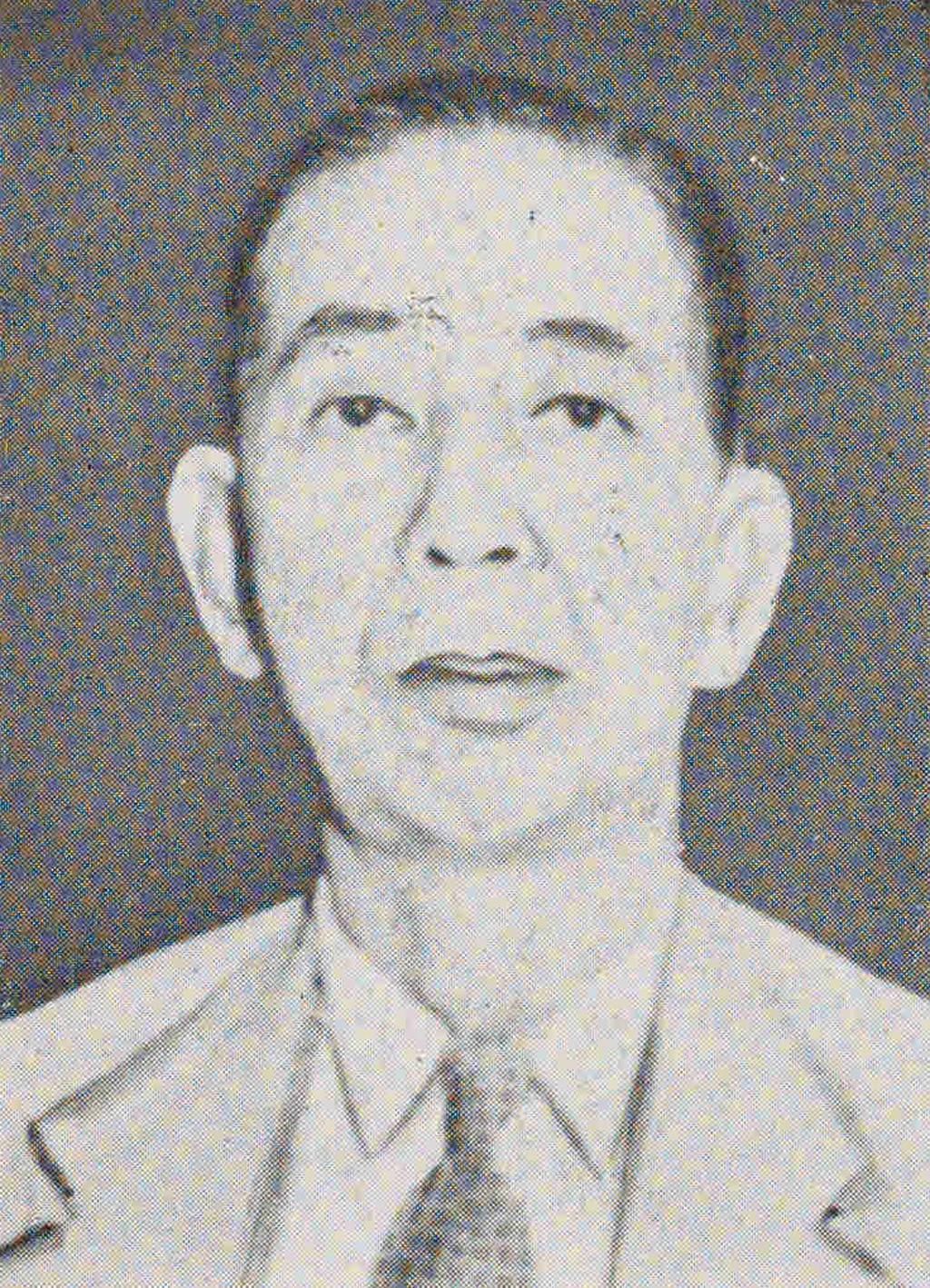
Kishi was born on 13 November 1896 in Yamaguchi. After graduating from the law department of the Imperial University of Tokyo in 1920, he entered the Ministry of Agriculture and Commerce. His early path was that of an economic bureaucrat, not a politician first building a constituency through local elections. He later became deputy head of Manchukuo’s industrial department. That institution belonged to Japan’s imperial presence in Manchuria. A description limited to industrial modernisation would conceal the political power within which his administrative work operated. His technical and organisational experience developed inside an expanding imperial state.
A wartime cabinet brought national responsibility
Kishi served as commerce and industry minister in Tōjō Hideki’s cabinet and promoted the wartime economic system. In 1942 he was first elected to the House of Representatives with the recommendation of the Imperial Rule Assistance Political Association. These were linked parts of wartime authority: ministerial administration and a parliamentary position under the wartime political system. Later service in a democratic cabinet does not erase those responsibilities. Equally, identifying an office is different from establishing the elements of a particular criminal charge. A biography must preserve that difference when describing what happened after defeat.
Sources for this section: [1]
Release from detention was not a trial acquittal
Occupation authorities detained Kishi in 1945 as a suspected Class A war criminal. He was released in 1948 without prosecution. The Japanese original of the National Diet Library’s biography makes that distinction explicitly. Its English version uses the misleading word acquitted, which would ordinarily suggest a court judgment after charges and trial. That wording is not adopted here. There was no merits acquittal established by this record, and suspicion is not a conviction either. The end of detention and the later removal of public-office restrictions were separate events, with different consequences for his return to political life.
Party organisation provided a route back to power
After the purge restrictions ended in 1952, Kishi organised the Japan Reconstruction League and joined the Liberal Party in 1953. He subsequently held senior organisational posts in the Japan Democratic Party and the Liberal Democratic Party. The library’s chronology connects this sequence to his becoming prime minister in 1957. His younger brother Satō Eisaku also entered national leadership. Family connections belong to the setting, but party organisation, parliamentary support and cabinet appointment were the institutions through which Kishi acquired office. His postwar career therefore combined continuity of personnel with a substantially changed political and constitutional environment.
Treaty revision met resistance inside and outside parliament
Kishi signed the new U.S.–Japan security treaty in Washington on 19 January 1960. He presented revision as a way to correct the earlier arrangement’s inequality. The treaty text added a defined mutual response to attacks in territories administered by Japan and retained American access to facilities. Opposition focused on both the alliance and the manner of approval. The library describes police-guarded parliamentary action in May, sustained opposition work and large demonstrations. After a student died during the protests, Eisenhower’s planned visit was postponed and never took place. A successful treaty negotiation did not produce an uncontested domestic mandate.
An agreement survived a government’s collapse
The treaty entered into force inJune 1960. Kishi announced his intention to step down on 23 June; the first Ikeda cabinet followed on 19 July. Those events should not be reduced to a claim that signing inJanuary immediately ended his premiership. Nor did his departure automatically cancel the treaty. He died on 7 August 1987. His legacy joins an enduring alliance framework to the imperial and wartime offices that preceded it and the parliamentary crisis through which revision passed. The same career demonstrates why institutional success, democratic procedure and historical responsibility need to be assessed with different evidence.
Quick answers
Frequently asked questions about Nobusuke Kishi
- Was Kishi acquitted after a war-crimes trial?
- The Japanese library record says he was not prosecuted and was released in 1948. Release without prosecution is not a trial acquittal.
- Did his resignation cancel the security treaty?
- No. His departure from office and the treaty’s continuation were different matters; its own text specified replacement and termination rules.
Keep exploring
Lives connected to this story
- Shigeru Yoshida
Compare the author of the earlier 1951 security arrangement and its separate peace settlement.
- Itō Hirobumi
Compare political institution building with imperial administration in an earlier generation.
- Tomiichi Murayama
Read a later prime minister’s statement on colonial rule, aggression and historical responsibility.
- Eisaku Sato
Compare successive conservative approaches to the security alliance and Okinawa.
Sources and further reading
Explore the evidence
These references support the biography and offer further reading. Official records, first-person accounts and independent reporting provide different perspectives; image records document attribution and licensing.
- 1. National Diet Library岸信介: Japanese original biographical note
The Japanese original says Kishi was not prosecuted and was released in 1948. The English rendering acquitted is rejected: release without prosecution is not a merits acquittal.
- 2. National Diet LibraryKishi Nobusuke: English biographical note and portrait
- 3. Ministry of Foreign Affairs of JapanTreaty of Mutual Cooperation and Security, 19 January 1960: complete English text
The complete ten-article text and signatures were read. Separate implementation agreements and every negotiation record were not audited.
- 4. National Diet Library1960 signing of the new Japan–U.S. Security Treaty: historical materials
The institutional account and document catalogue were read. The entire diary, opposition notebooks and letter manuscripts were not independently transcribed.23 June resignation intent is separated from the successor cabinet on 19 July.