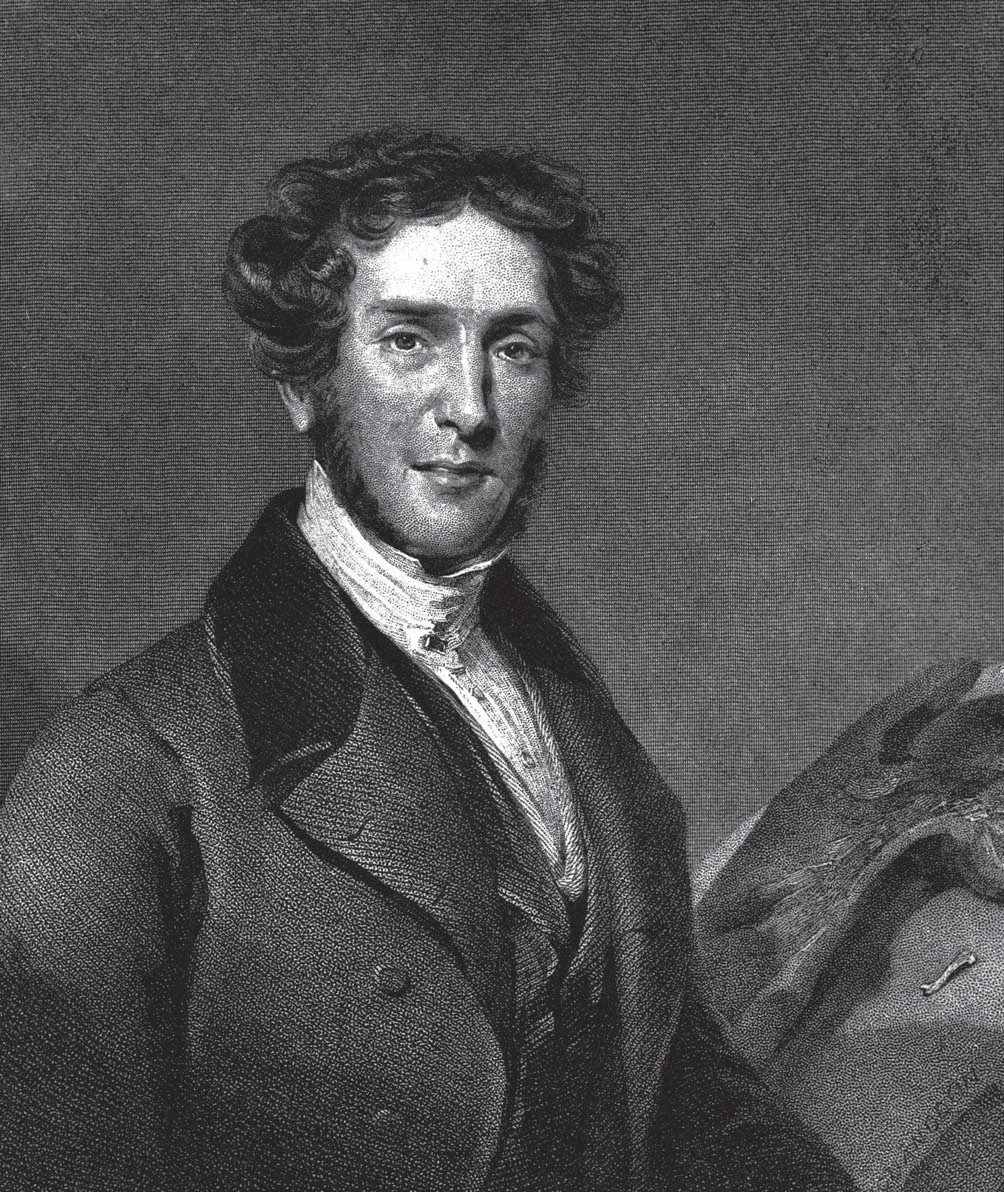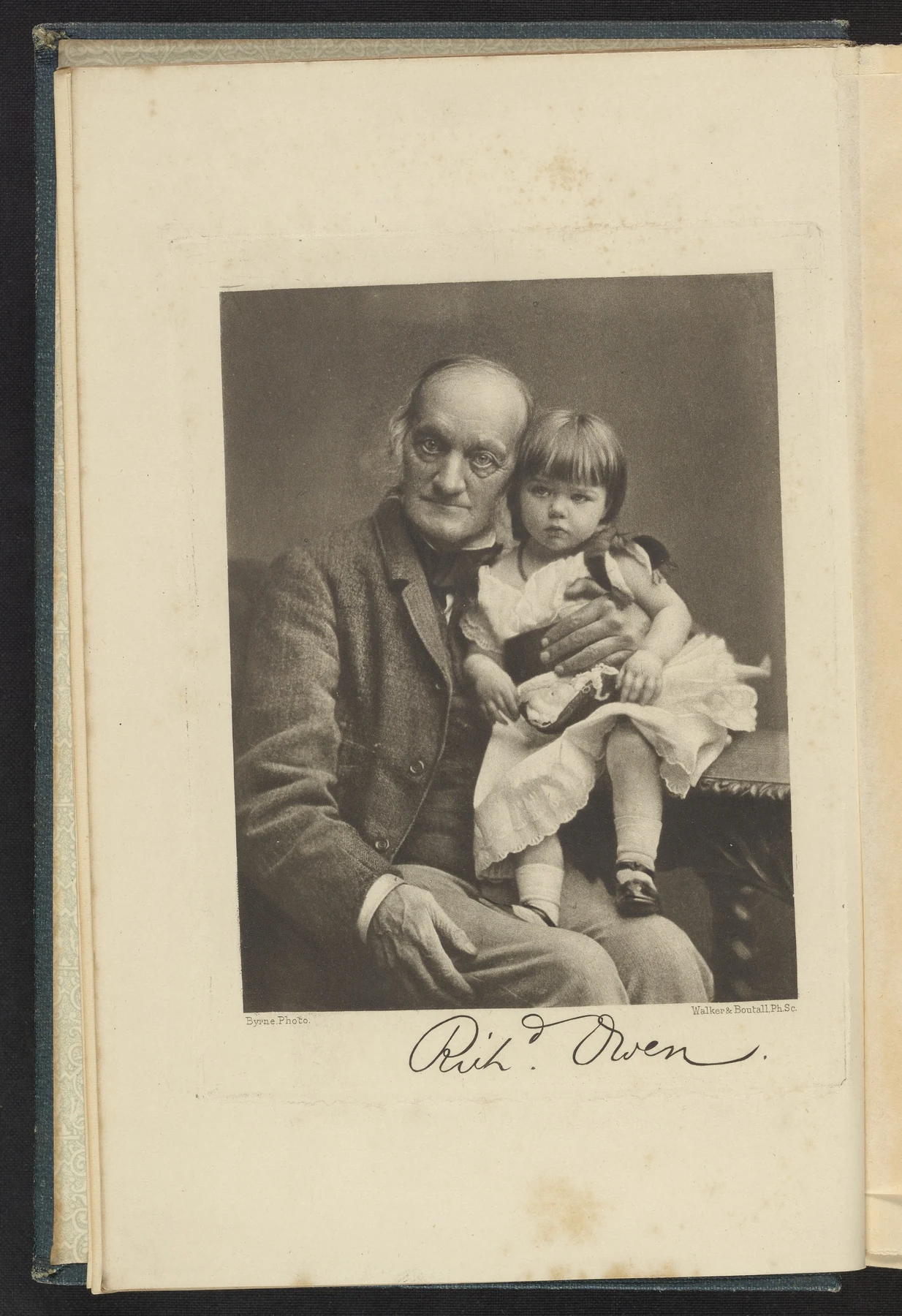
In this biography
Quick facts
- Born
- 1804
- Died
- 1892
- Birthplace
- Lancaster, England
- Country
- United Kingdom
- Nationality
- Not independently established
- Known for
- Dinosauria and the Natural History Museum in London
Why this life matters
He helped make a named group out of several fossil genera and shaped the institutions in which such comparisons could continue.
Timeline
Key moments
Dinosauria report
Publication names the group built from three fossil genera.
Museum planning
Owen advocates dedicated space for the natural history collections.
South Kensington opens
The Natural History Museum opens with Owen as superintendent.
Anatomy and the collection room
Owen was born in Lancaster and trained in medicine before building a career in comparative anatomy. Collections gave him a way to inspect many specimens in relation to one another. His work covered living animals and fossils, and included groups far outside the reptiles that later made him famous. The institutional setting mattered because anatomical conclusions depended on access to material gathered by many collectors and often held in different collections.
Three names, one proposed group
In his report published in 1842, Owen discussed Iguanodon, Megalosaurus and Hylaeosaurus together as Dinosauria. Each had its own discovery and publication history. Owen’s contribution lay in comparing their anatomical features, including evidence involving the sacrum, where the spine meets the pelvis. Some elements were clearer than others. The argument used observed structures and comparisons across incomplete specimens rather than a new discovery of all three animals by Owen.
From cases of bones to public reconstructions
With Benjamin Waterhouse Hawkins, Owen contributed to public representations of ancient animals at Crystal Palace. Models answered a different question from the anatomical report. They needed a complete posture and outline even when the specimens did not preserve every part. That difference helps explain why the sculptures remain valuable as records of Victorian science although later anatomical evidence changed the appearance of many dinosaurs.
A building for natural history
As superintendent of the British Museum’s natural history collections, Owen advocated a separate building with room for objects on very different scales. The South Kensington museum opened in 1881. It enlarged the public setting for the work of collecting, preparing and comparing specimens. Owen’s biography therefore belongs to institutional history as well as the history of naming extinct animals.
Quick answers
Frequently asked questions about Richard Owen
- Did Owen discover all three animals in the original Dinosauria?
- No. He grouped animals already described from fossils found and studied by others. His report made a comparative anatomical claim.
Keep exploring
Lives connected to this story
- Gideon Mantell
Read the earlier work on Iguanodon that supplied one of the genera in the comparison.
- Charles Darwin
Compare a contemporary naturalist who also drew arguments from specimens collected during voyages.
Sources and further reading
Explore the evidence
These references support the biography and offer further reading. Official records, first-person accounts and independent reporting provide different perspectives; image records document attribution and licensing.
- 1. Natural History Museum archiveRichard Owen: archive authority record
- 2. Natural History MuseumThe whale story: Richard Owen
- 3. Biodiversity Heritage LibraryThe birth of dinosaurs: Richard Owen and Dinosauria
The repository identifies both the original report and later images. The publication date is 1842.
- 4. Natural History MuseumDinosauria: how the terrible lizards got their name