In this biography
Quick facts
- Born
- 19 December 1944
- Died
- 2 January 2022
- Birthplace
- Nairobi, Kenya
- Country
- Kenya
- Nationality
- Not independently established
- Known for
- Koobi Fora research, museum leadership and wildlife conservation
- Research landscape
- Omo Valley and the Turkana Basin
- Museum leadership
- Appointed director in 1968
- Wildlife role
- Led the wildlife organisation from 1989
- Later institution
- Turkana Basin Institute partnership,2005
Why this life matters
His influence depended on research teams, museums and field infrastructure as well as prominent conservation campaigns.
Timeline
Key moments
Birth
Born in Nairobi on 19 December.
Omo fieldwork
Participated in research in Ethiopia before establishing major Turkana work.
Museum appointment
Became director of Kenya’s national museum institution.
Wildlife leadership
Took responsibility for the wildlife organisation during an ivory-poaching crisis.
Aircraft crash
Survived a crash and lost both lower legs.
Politics and public service
Helped establish Safina and later held public-service responsibilities.
Research infrastructure
Joined Stony Brook and developed the Turkana Basin Institute partnership.
Death
Died on 2 January, aged 77.
Growing up around archaeology did not mean following a straight academic path
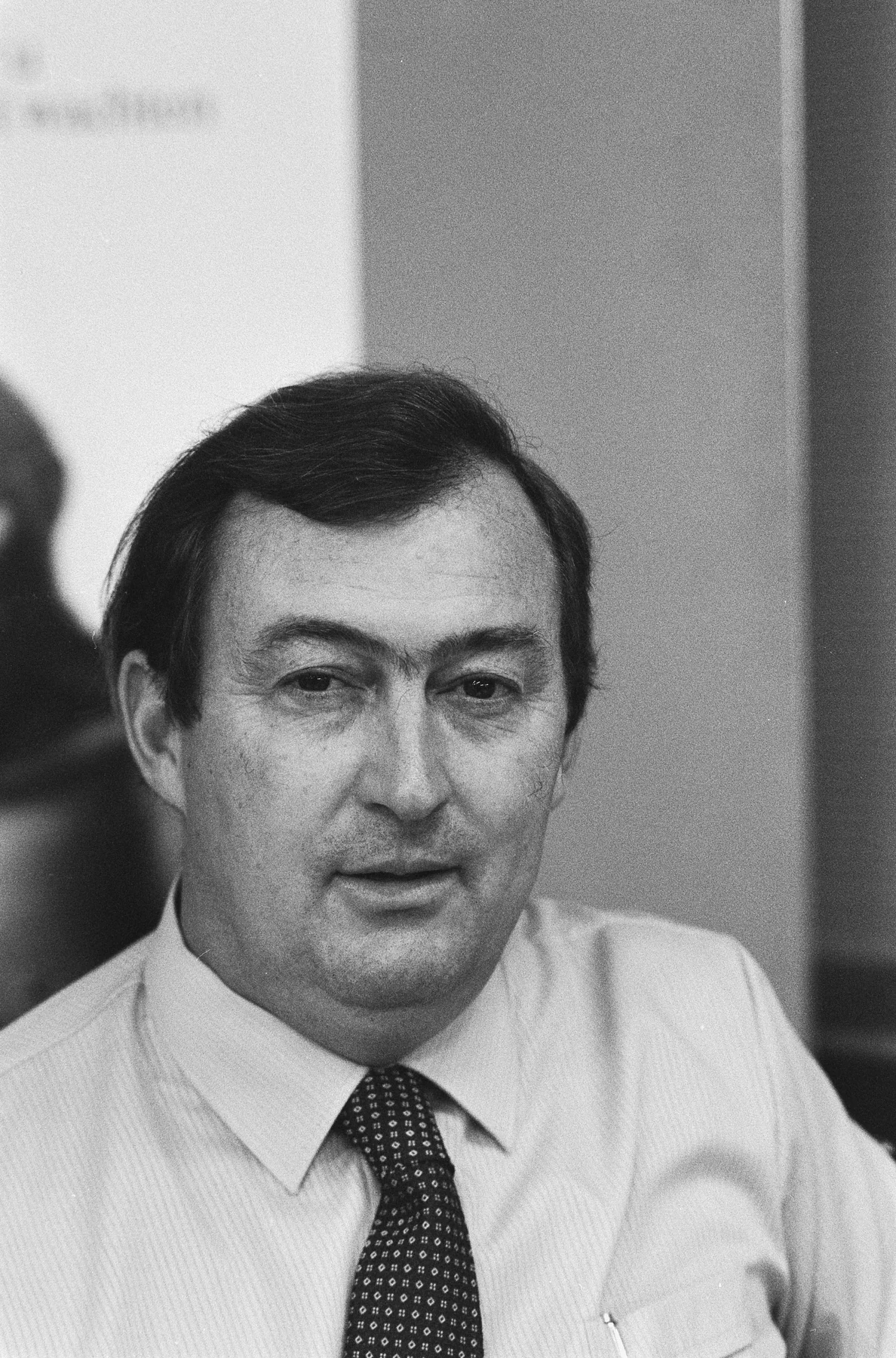
Leakey was born in Nairobi to Louis and Mary Leakey. He left school as a teenager and worked in activities including safari operations before pursuing fossil research. A family connection explains access to an unusual intellectual environment, but it is not a degree or a complete account of his later work. The scientific obituary describes his entry into field research during the 1960s and the importance of the Omo and Turkana regions. This biography does not invent an earned doctorate from honorary honours or assume that he personally recovered every specimen associated with his name.
The museum and Koobi Fora depended on a team
Leakey became museum director in 1968 and developed a major field programme around Lake Turkana. The Nature obituary names the field team led by Kamoya Kimeu. This matters because finding, preparing, dating and interpreting a fossil are separate contributions. A museum director can provide resources and research direction without being the finder of each object. Likewise, a fossil’s association with the Leakey programme does not identify it as a single undisputed human ancestor. The linked Meave Leakey biography and specimen guide trace how evidence and responsibilities can be documented more precisely.
Sources for this section: [1]
Read fossil descriptions against the actual research record
A 2022 institutional tribute celebrates the discovery of KNM-ER 1470 but labels it Homo erectus. The 2012 research record treats that specimen within a different early-Homo classification problem. This account therefore uses the tribute for personal dates and institutional history, rather than adopting all of its palaeontological shorthand. It also avoids repeating an old claim that a particular Omo age estimate still defines the oldest known modern-human fossil. The lesson is broader than one correction: a memorial written to honour a career is not a substitute for the technical record of every scientific question it mentions.
Conservation brought both influence and controversy
In 1989 Leakey took leadership of the Kenyan wildlife organisation during an elephant-poaching crisis. He became associated internationally with the public destruction of ivory and later returned to wildlife responsibilities. The obituary credits his campaigns with political impact while acknowledging contentious methods. This is not an independent audit of every conservation outcome or a legal finding about force used by rangers. A careful biography can explain why the campaign mattered without converting an admirer’s assessment into an unqualified claim that one official permanently solved poaching. Scientific leadership and conservation authority were also different kinds of responsibility.
Politics, disability and later institution building
Leakey survived a 1993 plane crash and lost both lower legs. The sources do not establish sabotage, so this account does not repeat that speculation as a cause. He later helped form Safina and held senior public-service roles. Rather than force conflicting short chronologies into exact parliamentary dates, this overview keeps those 1990s transitions broad. He joined Stony Brook in 2002 and helped develop the 2005 Turkana Basin Institute partnership. Its practical purpose—support for research in a difficult field environment—connects his later career to the logistical foundations of discovery, not merely to another honorary title.
An institution builder as well as a public figure
Leakey died on 2 January 2022. The obituary’s author knew him and discloses a connection with his later museum initiative; the tribute comes from institutions he helped create. Those perspectives are valuable but should remain visible when assessing his legacy. His career left a network of museum, field and conservation institutions, alongside unresolved scientific and political debates. Readers gain more from identifying the teams, records and limits behind that story than from a list of supposedly solitary breakthroughs. Meave Leakey’s research leadership also continued on its own terms, rather than serving only as an appendix to his life.
Quick answers
Frequently asked questions about Richard Leakey
- Did Richard Leakey find every famous fossil credited to his programme?
- No. Fossil research involved named fieldworkers, preparators, geologists and comparative specialists. Leadership and personal discovery are different contributions.
- Was Richard Leakey only a scientist?
- No. He also led museum and wildlife institutions, participated in Kenyan politics and helped establish research infrastructure.
Keep exploring
Lives connected to this story
- Meave Leakey
Read the separate research career of his collaborator and wife, including her later Koobi Fora leadership.
- Wangari Maathai
Compare another Kenyan public figure’s distinct route from research and education to environmental action.
- Joan Wiffen
Compare another field-and-collection career in which preparation and later identification matter.
Sources and further reading
Explore the evidence
These references support the biography and offer further reading. Official records, first-person accounts and independent reporting provide different perspectives; image records document attribution and licensing.
- 1. Marta Mirazón Lahr; NatureRichard Leakey(1944–2022), Nature 602,29,3 February 2022
Complete one-page 2022 obituary read. Author’s collegial and Ngaren connection is disclosed; praise is not treated as an independent outcome audit.
- 2. Turkana Basin Institute; Stony Brook University tributeRichard Leakey, Chair of Turkana Basin Institute, Passes on at 77,5 January 2022
Used selectively for exact personal dates and institutional chronology. Its 1470 taxon and old Omo age superlative are not adopted; brief parliamentary chronology conflicts are not forced into a precise date.
- 3. Meave G. Leakey and six co-authors; NatureNew fossils from Koobi Fora in northern Kenya confirm taxonomic diversity in early Homo, Nature 488,201–204,2012
Accessible 2012 publisher abstract, acknowledgements and contribution record; no subscription-only main text or supplement is claimed read.
- 4. Turkana Basin Institute; Koobi Fora Research Project press releaseNew fossils confirm diverse species of early human,8 August 2012