In this biography
Quick facts
- Born
- c. 1847
- Died
- 13 July 1934
- Birthplace
- Liverpool, Lancashire, England
- Country
- New Zealand
- Nationality
- Not independently established
- Known for
- Coordinating women's suffrage campaigning and becoming the National Council of Women's first president
- Franchise leadership
- WCTU franchise and legislation superintendent from 1887
- Campaign writing
- Ten Reasons why the women of New Zealand should vote, 1888
- Editorial work
- First editor of White Ribbon, launched May 1895
- National Council of Women
- First president, elected 1896
Why this life matters
Her career shows how coordinated collective action could change the franchise while leaving further political and legal inequalities to confront.
Timeline
Key moments
Born in Liverpool
The national biography gives a probable date; 1848 also appears in references.
Arrival in New Zealand
Arrives at Lyttelton with her family in February.
Franchise superintendent
Coordinates the WCTU's national voting-rights work.
An argument in print
The WCTU publishes Ten Reasons why the women of New Zealand should vote.
Women's parliamentary vote
The Electoral Act receives assent on 19 September.
Continuing organisation
White Ribbon begins; Sheppard becomes the National Council of Women's first president.
Death in Christchurch
Dies at Riccarton on 13 July.
From Liverpool to Christchurch
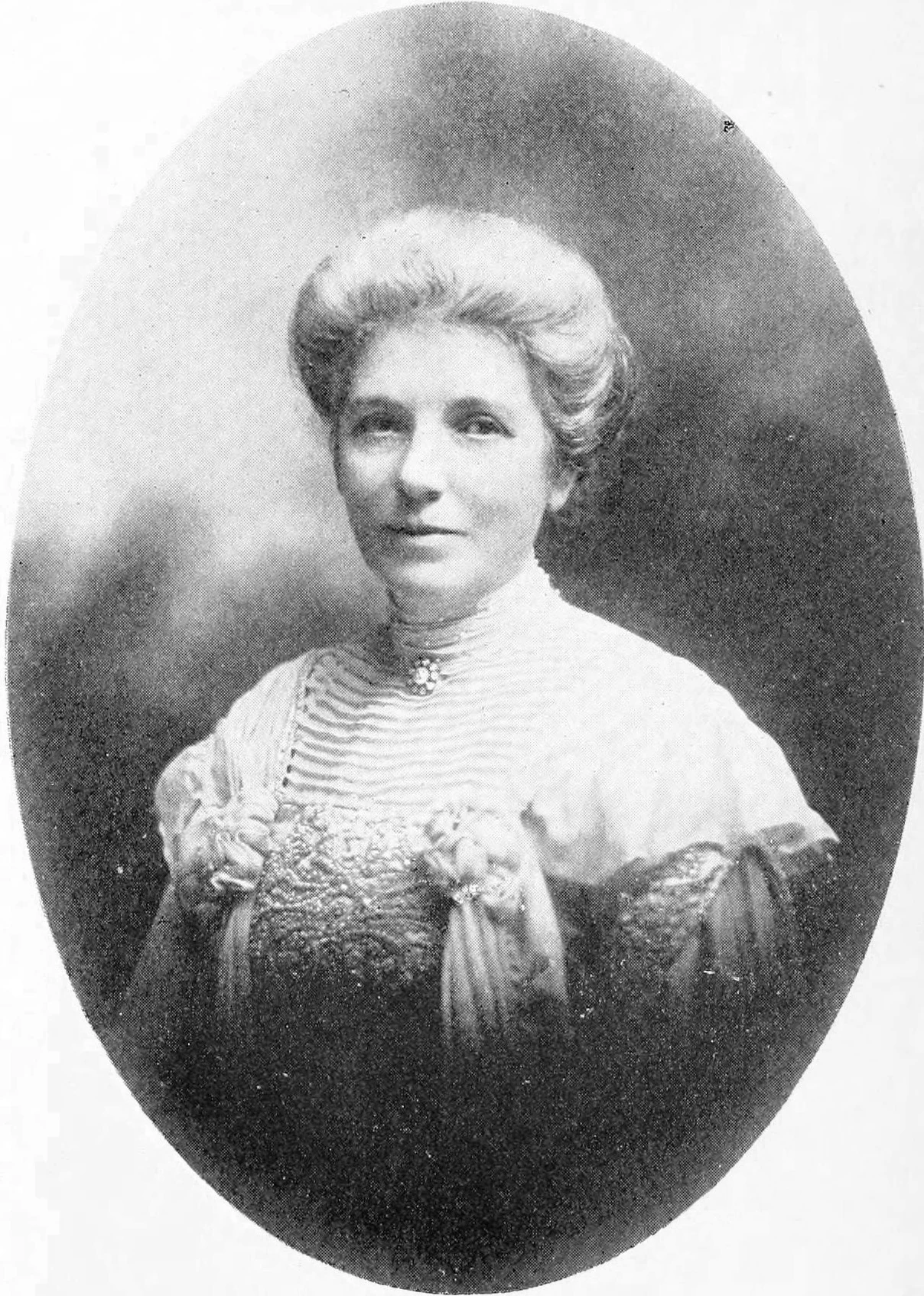
Kate Sheppard was born Catherine Wilson Malcolm in Liverpool, probably on 10 March 1847 according to the Dictionary of New Zealand Biography. Some accounts give 1848, so the date should retain its uncertainty. She grew up in Britain and Ireland before travelling with her family to New Zealand, arriving at Lyttelton in February 1869.
She settled in Christchurch and married Walter Sheppard in 1871. Church visiting, fundraising and temperance activity gave her practical experience in voluntary organisation. The familiar public name Kate Sheppard belongs to a life shaped by migration and local associations before the national suffrage campaign.
Sources for this section: [1]
Making a network work
The Women's Christian Temperance Union offered an existing network through which women could organise. Sheppard became its franchise and legislation superintendent in 1887. The position required coordination: encouraging local groups, circulating arguments, arranging meetings and seeking parliamentary support. It was neither a parliamentary office nor evidence that she acted alone.
Temperance campaigners wanted political influence to address problems they associated with alcohol and family welfare. Suffrage work also reached beyond temperance. In 1892 WCTU women collaborated with other women in franchise leagues, broadening the movement's appeal. Local organisers, signatories and political allies made national pressure possible.
Sources for this section: [2]
What her pamphlet argued
The WCTU printed Sheppard's Ten Reasons why the women of New Zealand should vote in 1888 and sent it to members of the House of Representatives. Canterbury Museum preserves a copy and reproduces its arguments. It asserted that adults affected by laws should help choose lawmakers and rejected women's placement alongside groups denied political capacity.
The pamphlet also argued that women would improve elections through domestic responsibility, caution and moral influence. These arguments combined a demand for rights with contemporary assumptions about differences between women and men. Reading them together gives a fuller account of her persuasion than extracting only the statements that resemble present-day equality language.
Sources for this section: [3]
Winning votes within a limited law
Sheppard helped coordinate the campaign that culminated in the 1893 petitions and the Electoral Act's assent on 19 September. The petition campaign depended on people gathering signatures across the country, while supporters inside Parliament advanced legislation. Her prominence should help readers find that collective work, rather than erase it.
The Act expanded women's parliamentary voting rights, including those of Māori women, within its qualifications and exclusions. It did not make political citizenship unrestricted. Women were expressly barred from standing for the House of Representatives or entering the Legislative Council. Gaining a vote and gaining eligibility for parliamentary office were different achievements.
Print, a national council and later life
Political organisation continued after enfranchisement. Sheppard became the first editor of White Ribbon when the WCTU launched it in May 1895. Its mixture of reports, reform campaigns, health material and practical advice connected national debate with local branches. The periodical made editorial work another means of sustaining a movement.
In 1896 she became the first president of the National Council of Women, serving for three years. She later supported its revival and continued writing as her public activity diminished. After Walter's death she married William Sidney Lovell-Smith in 1925. She died at Riccarton, Christchurch, on 13 July 1934, leaving a record of organisation extending well beyond one legislative victory.
Quick answers
Frequently asked questions about Kate Sheppard
- Who was Kate Sheppard?
- Kate Sheppard was a suffrage organiser, social reformer and editor. Her career shows how coordinated collective action could change the franchise while leaving further political and legal inequalities to confront.
- What is Kate Sheppard best known for?
- Kate Sheppard is best known for coordinating women's suffrage campaigning and becoming the National Council of Women's first president.
- When was Kate Sheppard born?
- The Dictionary of New Zealand Biography says probably 10 March 1847. Other institutional and reference accounts use 1848. No birth certificate was examined; do not encode an unqualified ISO birth date.
- When did Kate Sheppard die?
- Kate Sheppard died on 13 July 1934.
Keep exploring
Lives connected to this story
- Millicent Fawcett
Compare suffrage organisation in a different electoral system and chronology.
- Mary Robinson
Follow a later Irish career in law, elected office and international human rights.
- Funmilayo Ransome-Kuti
Compare the organisation of women’s political demands in Abeokuta with the different chronology and institutions of New Zealand suffrage.
Sources and further reading
Explore the evidence
These references support the biography and offer further reading. Official records, first-person accounts and independent reporting provide different perspectives; image records document attribution and licensing.
- 1. Tessa K. Malcolm / Dictionary of New Zealand Biography, Manatū TaongaSheppard, Katherine Wilson: biography with a qualified birth date
Probable 1847 birth is preserved; some records use 1848. Arrival in February 1869 is distinguished from the family's departure in 1868. No university qualification is asserted.
- 2. Raewyn Dalziel / Women's Christian Temperance Union New ZealandHistory of the WCTUNZ: organisation and suffrage alliances
Raewyn Dalziel's organisational history is used, not the separate WCTU page that reproduces the DNZB biography.
- 3. Canterbury MuseumNeither children nor lunatics: 1888 Ten Reasons pamphlet
Museum transcription of the original pamphlet read; gendered moral claims are presented as campaign arguments, not endorsed facts.
- 4. National Library of New Zealand, He TohuA petition: Women's Suffrage Petition, including Kate Sheppard
- 5. National Library of New Zealand, Papers PastWhite Ribbon: periodical history and editor record
Indexed institutional periodical history checked for May 1895 launch and first editorship. Individual issue content was not exhaustively examined.
- 6. New Zealand Parliamentary Counsel OfficeElectoral Act 1893, as enacted: sections 6–9 and 151
Official indexed enacted text read; direct HTML/PDF fetches returned 403. Sections 8 and 9 contradict an unrestricted reading of all adult women.