In this biography
Quick facts
- Born
- 4 August 1942
- Died
- 13 August 2005
- Birthplace
- Ōtāhuhu, Auckland, New Zealand
- Country
- New Zealand
- Nationality
- New Zealander
- Known for
- New Zealand’s nuclear-free policy and the fourth Labour government
- Prime minister
- 26 July 1984–8 August 1989
- Education
- LLB 1965; LLM with first-class honours 1970, University of Auckland
- Electorate
- Māngere, 1977–1996
- Nuclear-free legislation
- Passed into law on 8 June 1987
- Order of New Zealand
- Appointed 2 June 2003
Why this life matters
His career joins the public force of political rhetoric with the harder task of governing through policy disputes, Cabinet relationships and the social consequences of rapid change.
Timeline
Key moments
Born in Ōtāhuhu
Born on 4 August.
Legal training
Earned LLB, entered practice and later completed an LLM with first-class honours.
Māngere MP
Entered Parliament through a by-election.
Labour leader
Replaced Bill Rowling on 3 February.
Prime minister
Took office on 26 July after Labour’s election victory.
Nuclear diplomacy
The Buchanan dispute and Oxford Union debate made the policy internationally prominent.
Nuclear-free law
Legislation passed on 8 June; Labour won a second term later that year.
Resignation
Left the premiership on 8 August and later served as attorney-general.
Parliamentary retirement
Ended his service as MP for Māngere.
Death
Died on 13 August, aged 63.
Law provided both training and a public voice
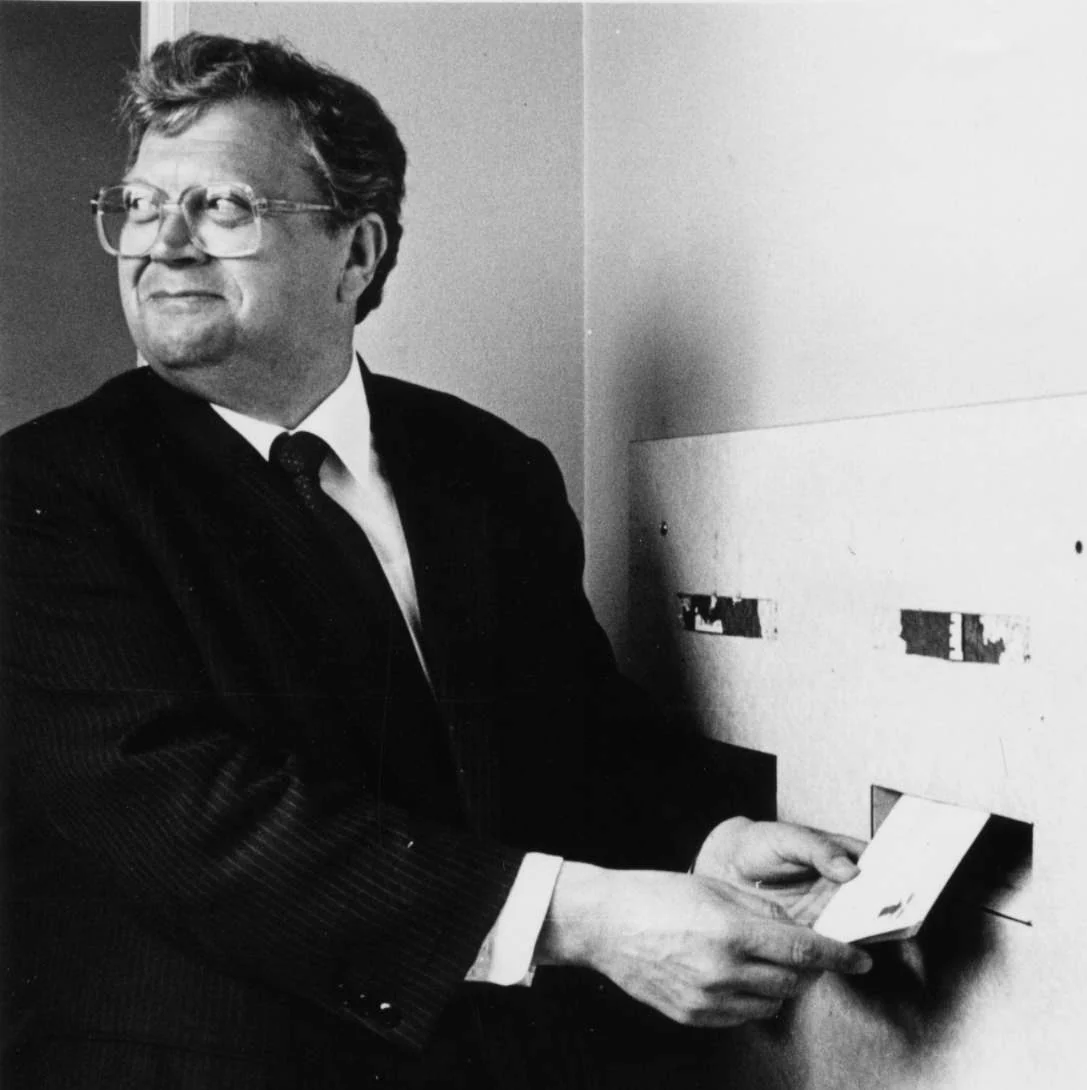
David Russell Lange was born in Ōtāhuhu, Auckland, on 4 August 1942. He studied at the University of Auckland, earned an LLB in 1965 and was admitted to the bar in 1966. He later returned for an LLM with first-class honours in 1970. These were earned qualifications. His work included criminal defence and teaching law. A memorial contribution in Auckland’s law-faculty annual recalls his concern for clients and the impact of his courtroom language. Its recollections are personal testimony, while the Dictionary of New Zealand Biography supplies the broader educational chronology.
Parliamentary advancement preceded the 1984 victory
Lange won the Māngere by-election in 1977, became Labour’s deputy leader in 1979 and replaced Bill Rowling as party leader in February 1983. His debating ability made him a prominent opponent of Robert Muldoon. Labour won the snap election of July 1984, and Lange became prime minister on 26 July, still aged 41. He also held the foreign affairs portfolio until 1987. The change of government brought a younger leadership into office, but public speaking and election campaigning were only the beginning of the responsibilities he had assumed. His government soon faced major economic and diplomatic decisions.
Nuclear-free policy drew on a movement beyond one leader
Lange became the international voice of New Zealand’s nuclear-free position. The government refused entry to the USS Buchanan in 1985 when the United States would neither confirm nor deny whether it carried nuclear weapons. His Oxford Union appearance in March helped make the argument internationally visible. The policy also drew on years of public campaigning and disputes within Labour; it was not simply the product of a memorable speech. On 8 June 1987, nuclear-free legislation passed into law. The resulting tensions with the United States made the relationship between an independent policy and alliance obligations a practical diplomatic issue.
Reform produced achievements and deep disagreements
The fourth Labour government combined social and constitutional changes with rapid economic restructuring. It gave te reo Māori official status, expanded the Waitangi Tribunal’s reach to historical claims and enacted homosexual law reform. Its economic programme removed protections and subsidies, reorganised the public sector and sold state assets. Finance minister Roger Douglas became the central figure associated with the programme known as Rogernomics, but Lange led and publicly defended the government implementing it. The social costs later unsettled him. That makes it misleading either to assign every reform to his personal design or to detach the prime minister from responsibility for his administration.
A second term exposed the limits of his authority
After the 1987 election, Lange took the education portfolio and oversaw the changes known as Tomorrow’s Schools, decentralising educational decision-making. His conflict with Douglas over the direction and pace of economic policy became increasingly damaging. Disputes over taxation, asset sales and Cabinet authority ended with Lange resigning as leader and prime minister on 8 August 1989. Geoffrey Palmer succeeded him. Lange then served as attorney-general outside Cabinet and held other responsibilities during the government’s remaining period in office. Resignation from the premiership was therefore separate from his departure from government and his much later retirement as an MP.
Later recognition did not erase a contested record
Lange remained MP for Māngere until 1996 and continued to contribute to public discussion through writing and speaking. He was appointed to the Order of New Zealand on 2 June 2003; the official citation records both his legal and political work. He died on 13 August 2005, aged 63, after years of serious health problems. Histories remember his wit and his nuclear-free stance alongside the disruptive economic and institutional changes of his government. The contrast is part of his significance: the leader who powerfully expressed national independence also struggled to control the direction of a government transforming domestic life.
Quick answers
Frequently asked questions about David Lange
- When was David Lange prime minister?
- From 26 July 1984 until 8 August 1989.
- Was Lange’s LLM honorary?
- No. He earned his University of Auckland LLM with first-class honours in 1970.
- Did Lange leave Parliament when he resigned as prime minister?
- No. He remained MP for Māngere until the 1996 election.
Keep exploring
Lives connected to this story
- Jim Bolger
Follow a later prime minister through the electoral-system transition.
- Helen Clark
Compare another Labour leadership career and its changing parliamentary setting.
- Norman Kirk
Compare the earlier 1973 naval and court protest with the later development of nuclear-free policy.
Sources and further reading
Explore the evidence
These references support the biography and offer further reading. Official records, first-person accounts and independent reporting provide different perspectives; image records document attribution and licensing.
- 1. Barry Gustafson / Dictionary of New Zealand Biography, Te AraLange, David Russell, first published 2010
Named historian’s full biographical account read. Supplies exact birth, earned degrees and political chronology. Its judgments are contextualised rather than repeated as unqualified fact.
- 2. Gavin McLean / Manatū Taonga, NZHistoryDavid Lange, updated 24 September 2026
- 3. University of Auckland Faculty of LawEden Crescent 2004–2005 annual: David Russell Lange memorial, printed pages 3–4
Relevant memorial contribution read on PDF pages 4–5 (printed 3–4). First-person recollection is used as such; no claim to have read all unrelated articles in the 48-page annual.
- 4. Department of the Prime Minister and CabinetThe Right Honourable David Lange: ONZ citation prepared 2003
Dated 2003 institutional award citation supports parliamentary service and portfolio sequence; later death field is separately updated.
- 5. Manatū Taonga / NZHistoryNew Zealand goes nuclear-free, 8 June 1987
Distinguishes the 1987 legal event from the 1985 ship dispute and the wider nuclear-free movement. No source badge, photograph or graphic is reused.
- 6. Manatū Taonga / NZHistoryDeath of David Lange, 13 August 2005
- 7. Manatū Taonga / NZHistoryBiographies: prime ministers and dates in office