
In this biography
Quick facts
- Born
- 26 December 1949
- Birthplace
- Dili, Portuguese Timor
- Country
- Timor-Leste
- Nationality
- Timorese
- Known for
- International advocacy for Timorese self-determination and two terms as president
- Nobel Peace Prize
- 1996, shared with Carlos Belo
- Prime minister
- 2006–2007
- President
- 2007–2012 and from 2022
- UN role
- Special Representative for Guinea-Bissau, 2013–2014
Why this life matters
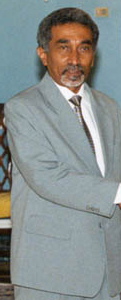
Ramos-Horta made international diplomacy a central front of the independence movement and later moved between foreign affairs, the premiership, the presidency and United Nations service.
Timeline
Key moments
Born in Dili
Born on 26 December in the Portuguese-administered territory.
Began the diplomatic campaign
Left shortly before the Indonesian invasion and represented the independence cause abroad.
Received the Nobel Peace Prize
Shared the award with Bishop Carlos Belo for seeking a peaceful solution to the conflict.
Became prime minister
Took office after Mari Alkatiri resigned during the political and security crisis.
Won the presidency
Began his first presidential term and survived being shot in 2008.
Returned to the presidency
Won a runoff election and began a second, non-consecutive term.
An international voice for an occupied country
Ramos-Horta joined the emerging independence movement in the 1970s and served as foreign minister in the government proclaimed in November 1975. Abroad for the duration of the Indonesian occupation, he lobbied governments, civil society and the United Nations to keep self-determination on the international agenda.
He gradually promoted dialogue and proposed a staged peace plan. The Nobel Committee shared its 1996 Peace Prize between Ramos-Horta and Carlos Belo, giving exceptional visibility to a conflict that had often remained outside global attention.
From liberation diplomacy to elected office
After the 1999 referendum, Ramos-Horta became foreign minister during the transition and after restored independence. He served briefly as prime minister, then as president from 2007 to 2012; in 2008 he was seriously wounded in an armed attack.
He later led the UN mission in Guinea-Bissau and returned to Timorese politics, winning the presidency again in 2022. His career combines moral diplomacy with the compromises of governing a small state dependent on petroleum revenue and regional partnerships.
Quick answers
Frequently asked questions about José Ramos-Horta
- Who is José Ramos-Horta?
- José Ramos-Horta is a diplomat, Nobel laureate and president. Ramos-Horta made international diplomacy a central front of the independence movement and later moved between foreign affairs, the premiership, the presidency and United Nations service.
- What is José Ramos-Horta best known for?
- José Ramos-Horta is best known for international advocacy for Timorese self-determination and two terms as president.
- When and where was José Ramos-Horta born?
- José Ramos-Horta was born on 26 December 1949 in Dili, Portuguese Timor.
Sources and further reading
How this biography was checked
Core dates and offices are checked against the sources below. This profile was last reviewed on 9 September 2026.