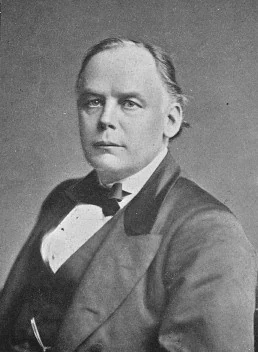
In this biography
Quick facts
- Born
- 1811
- Died
- 1889
- Birthplace
- Not independently established
- Country
- United Kingdom
- Nationality
- Not independently established
- Known for
- Free trade, parliamentary reform and advocacy for a wider electorate
Why this life matters
Bright joined national speaking campaigns to detailed parliamentary work on economic and electoral reform.
Timeline
Key moments
Bill fails
Bright supports Gladstone’s unsuccessful measure.
Reform passes
A later measure expands the male franchise.
Free trade and parliamentary argument
John Bright became a prominent reforming politician through the free-trade campaign associated with Richard Cobden. His early parliamentary career included representation of Manchester and opposition to the Corn Laws. Public speaking gave him a reach beyond the chamber. Yet his influence was also exercised through the ordinary work of parties, legislation and amendments. The two settings mattered together, because popular support still needed translation into decisions by an institution with a restricted electorate.
Sources for this section: [1]
The campaign for another Reform Act
Elected for Birmingham in 1858, Bright became an important voice in the renewed movement for parliamentary reform. He spoke at public meetings around the country during the 1860s and supported Gladstone’s unsuccessful bill in 1866. The following year Disraeli brought forward a different measure. Bright and other Liberals pursued amendments while agitation continued outside Parliament. This sequence complicates a simple story in which one speaker or party single-handedly granted the vote.
Expansion with continuing boundaries
The 1867 Act widened voting rights among men, particularly in boroughs, while retaining qualifications connected to residence and property. Women remained excluded from the parliamentary franchise. Bright’s later interests also included the dispute over Irish Home Rule. He died in 1889. His career connects free trade with reform of representation, but each achievement needs its own chronology and statutory boundaries. A larger electorate demonstrates a significant change without establishing that the system had reached universal or equal voting rights.
Quick answers
Frequently asked questions about John Bright
- What is John Bright known for?
- Free trade, parliamentary reform and advocacy for a wider electorate.
Keep exploring
Lives connected to this story
- Richard Cobden
Explore Bright’s ally in the earlier free-trade campaign.
Sources and further reading
Explore the evidence
These references support the biography and offer further reading. Official records, first-person accounts and independent reporting provide different perspectives; image records document attribution and licensing.