In this biography
Quick facts
- Born
- 9 April 1906
- Died
- 18 January 1963
- Birthplace
- Not independently established
- Country
- United Kingdom
- Nationality
- Not independently established
- Known for
- Economic administration and Labour leadership
- Constituency
- Leeds South
- Treasury office
- Chancellor, 1950–1951
Why this life matters
His career connected the work of explaining economic choices with the harder task of building political agreement around them. Office and opposition exposed different limits to that project.
Timeline
Key moments
Enters the Commons
Elected for Leeds South.
Treasury responsibility
Serves as chancellor.
Opposition leadership
Leads the opposition.
Economics before elected office
Gaitskell studied philosophy, politics and economics at Oxford, then lectured for the Workers’ Educational Association and at University College London. A Rockefeller scholarship took him to Vienna.
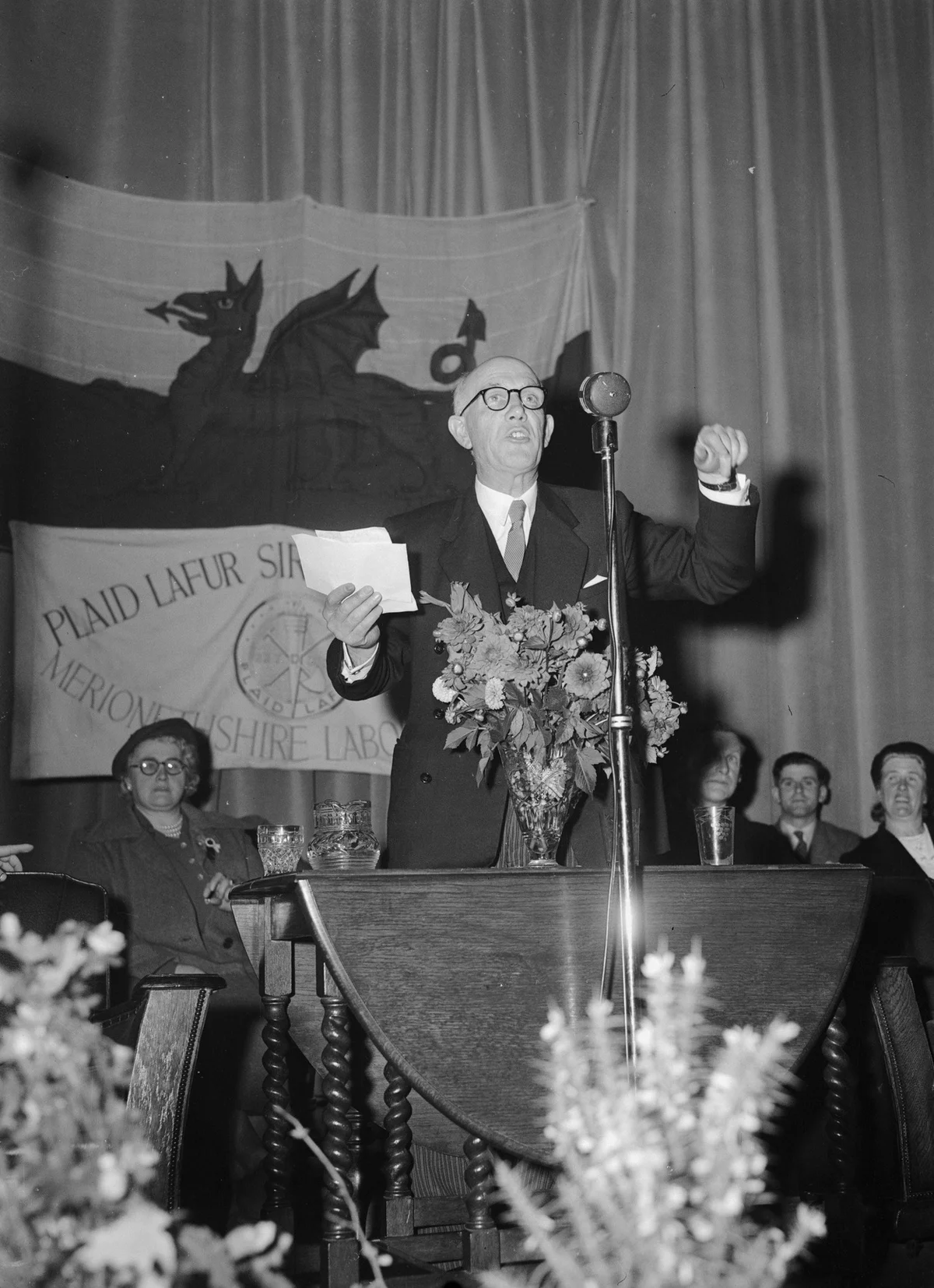
He contested Chatham unsuccessfully in 1935 and was adopted for Leeds South in 1937.
Sources for this section: [1]
Leeds South and the Treasury
Elected for Leeds South in 1945, he served in fuel and power, became Minister of State for Economic Affairs and then Chancellor of the Exchequer in 1950–1951.
The move followed a wartime civil-service career that included service as Hugh Dalton’s principal private secretary and work at the Board of Trade.
Ministerial responsibility changed the relationship between argument and action: advice and explanation now accompanied decisions for which a government had to answer. His technical background did not remove political disagreement over those choices.
Leading in opposition
He became Labour leader in 1955, after serving as the party’s treasurer. His publications addressed politics, socialist thinking, coexistence and Britain’s relationship with the Common Market.
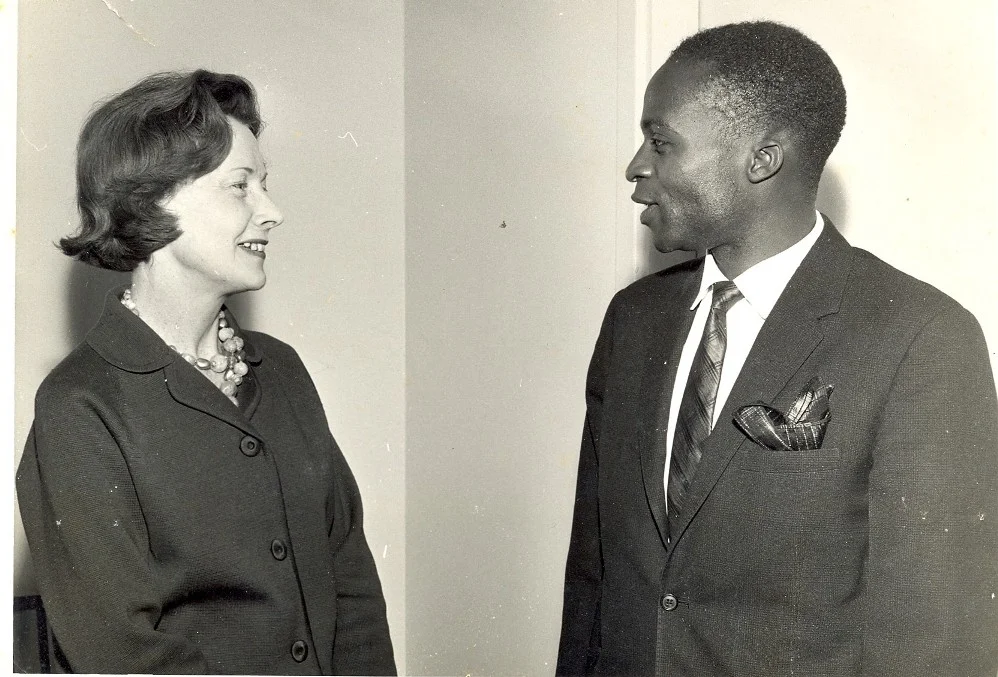
In the 1961 immigration debate he challenged arguments for restriction, connecting migration with employers’ demand for labour. These were his arguments in opposition, not a judicial finding or a statistical study reproduced here.
The exchange makes his economic reasoning visible inside a dispute over membership and belonging. It also places a party leader’s speech beside the specific legislative proposal he was contesting.
An unfinished leadership and a surviving archive
Gaitskell died in January 1963 while still Leader of the Opposition.
His papers later passed through his widow’s care and research use at Nuffield College before deposit at UCL.
Those papers preserve several working roles: teacher, official, constituency representative and party leader. Their survival makes it possible to ask how an argument developed, rather than treating the final public speech as the whole of a political decision.
Quick answers
Frequently asked questions about Hugh Gaitskell
- Was his public career confined to Parliament?
- The biography follows teaching and administration as well as elected office.
Keep exploring
Lives connected to this story
- Clement Attlee
Compare another account of the postwar Labour government.
- Aneurin Bevan
Compare another route through the postwar Labour government.
- Harold Wilson
Read another account of Labour leadership.
Sources and further reading
Explore the evidence
These references support the biography and offer further reading. Official records, first-person accounts and independent reporting provide different perspectives; image records document attribution and licensing.
- 1. UCL Special CollectionsGaitskell Papers: collection administrative history
Actual indexed catalogue administrative history read; original folders and the published official biography were not inspected. The origin open failed.
- 2. UK Parliament, Historic HansardMr Hugh Gaitskell: person record
Short person and office fields read; the site warns that recognition errors may remain. Exact birthplace is not established by these selected fields.
- 3. House of Commons, HansardCommonwealth Immigrants Bill, 16 November 1961
Selected opening and identified Gaitskell passages read, not the full debate. Statements about migration and employment remain attributed political argument.