In this biography
Quick facts
- Born
- 10 June 1925
- Died
- 5 June 1996
- Birthplace
- Pekalongan, Central Java, Indonesia
- Country
- Indonesia
- Nationality
- Indonesian
- Known for
- Becoming the first person to lead ASEAN’s permanent Secretariat in Jakarta
- Full name
- Hartono Rekso Dharsono
- ASEAN office
- 1st Secretary-General
- Term
- 1976–1978
- Earlier service
- Army officer and ambassador
Why this life matters
Darsono gave ASEAN’s new Secretariat its first leadership at the moment the association moved from periodic diplomacy toward a standing regional institution.
Timeline
Key moments
Commanded the Siliwangi Division
Held the West Java command during the early New Order.
Became the Secretariat’s first secretary-general
His term began on 7 June, following the February agreement establishing the permanent Secretariat.
Left the Secretariat
The recorded term ended on 18 February; Umarjadi Notowijono followed.
Arrested after the Tanjung Priok incident
Amnesty records 8 November and charges including work on a call for an independent inquiry.
Sentenced for subversion
Amnesty records a ten-year sentence on 8 January, later reduced to seven years on appeal.
Released from imprisonment
The release in September is recorded in Amnesty’s 1991 report on the preceding year.
Died in Bandung
Died on 5 June.
A Siliwangi commander in the early New Order
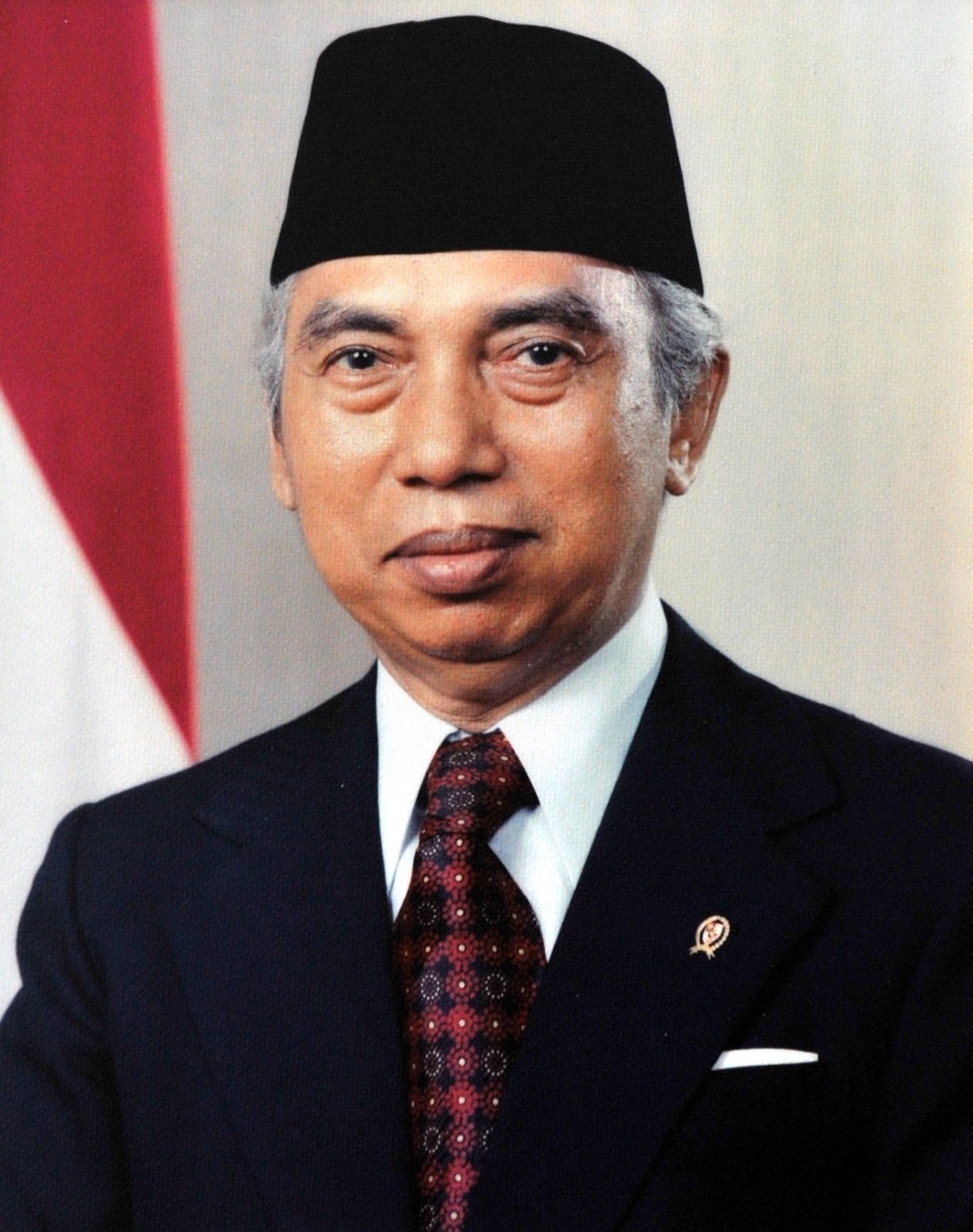
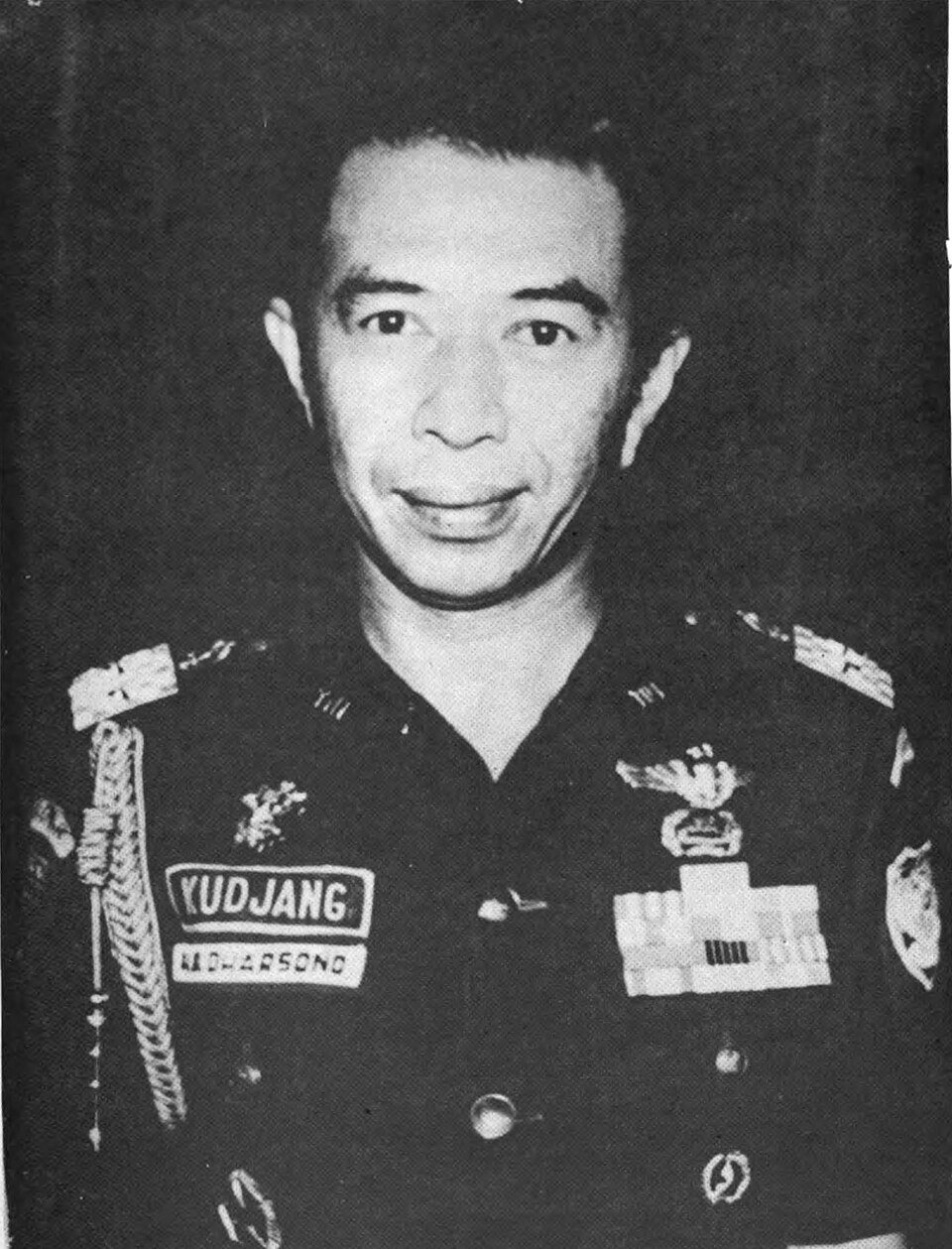
Hartono Rekso Dharsono, also listed as H. R. Darsono, came from Indonesia’s independence-era military and commanded the Siliwangi Division in West Java from 1966 to 1969. His position linked him to the military coalition that helped displace Sukarno and consolidate Suharto’s early New Order.
A 2023 ANTARA report on Rum Aly’s biography describes Dharsono’s proposals for political restructuring in 1968–1969 and the resistance they encountered within the ruling establishment. The account is useful evidence of the book’s interpretation, not proof that the biography’s full argument has been independently checked here. His later dissent should not erase his earlier place within the governing military elite.
Sources for this section: [3]
Diplomacy before ASEAN’s permanent Secretariat
Dharsono subsequently represented Indonesia as ambassador to Thailand and Cambodia. These assignments moved his work from territorial military command into diplomacy at a time when Southeast Asian governments were developing new forms of cooperation. Amnesty International’s contemporary profile also records both ambassadorial postings.
ASEAN itself had been founded in 1967. The permanent Secretariat was a later development, established by an agreement signed in Bali on 24 February 1976. This distinction separates the five founding foreign ministers from Dharsono’s role administering the new regional institution; being its first secretary-general did not make him a signatory of the 1967 Bangkok Declaration.
What the first secretary-general was appointed to do
The Indonesian foreign ministry’s ASEAN teaching reference dates his term from 7 June 1976 to 18 February 1978. The original Secretariat agreement located the permanent body in Jakarta and provided for the secretary-general’s appointment by foreign ministers, on member-country nomination and alphabetical rotation, for a two-year term.
The office supplied administrative continuity between meetings and carried responsibilities to ASEAN’s ministerial and standing bodies. Its design was not that of an independently elected regional president. Nor should today’s five-year Charter-era secretary-generalship be projected backwards onto Dharsono’s two-year institutional framework.
Dissent, arrest and the Tanjung Priok aftermath
After leaving ASEAN, Dharsono became a critic of Suharto’s political order. Amnesty International records his arrest in Jakarta on 8 November 1984, after troops had fired on demonstrators at Tanjung Priok. The charges included helping draft a white paper calling for an independent inquiry into the incident.
The same report states that he received a ten-year subversion sentence on 8 January 1986, reduced to seven years on appeal. This was a prosecution of a critic seeking an inquiry, not a finding that he commanded the troops involved in the shooting. Distinguishing the allegations from the violence being investigated is essential to understanding his imprisonment.
Sources for this section: [4]
Release and two different public legacies
Amnesty’s 1991 annual report records his release in September during its account of the preceding year, placing the release in 1990. It describes him as a prisoner of conscience. That is the organisation’s assessment of his detention, separate from the sentence imposed by the Indonesian court.
Dharsono’s life therefore belongs to more than a succession list. His first ASEAN appointment explains the creation of permanent regional administration; his movement from military office to political imprisonment illuminates conflict within the New Order. These strands need to be read together, without turning either the diplomatic honour or later repression into a complete account of his politics.
Quick answers
Frequently asked questions about H.R. Darsono
- Who was the first ASEAN secretary-general?
- Hartono Rekso Dharsono, also listed as H. R. Darsono, was the first secretary-general of the permanent ASEAN Secretariat, serving from 7 June 1976 to 18 February 1978.
- Did Darsono found ASEAN in 1967?
- No. ASEAN was founded in 1967; his role followed the 1976 establishment of its permanent Secretariat in Jakarta.
- Why was H. R. Dharsono imprisoned?
- Amnesty’s contemporary report records subversion charges including work on a white paper calling for an inquiry into the Tanjung Priok incident. It records a ten-year sentence in January 1986, reduced to seven years on appeal.
- When was Dharsono released?
- Amnesty’s 1991 report records his release in September 1990. The report’s publication year should not be confused with the year of the event.
Keep exploring
Lives connected to this story
- Umarjadi Notowijono
Follow the short Secretariat term immediately after Dharsono.
- Adam Malik
Distinguish Indonesia’s 1967 ASEAN founding signatory from the first Secretariat head.
- Suharto
Read the wider New Order presidency against which Dharsono later spoke.
Sources and further reading
Explore the evidence
These references support the biography and offer further reading. Official records, first-person accounts and independent reporting provide different perspectives; image records document attribution and licensing.
- 1. ASEANAgreement establishing the ASEAN Secretariat, 24 February 1976
The original 1976 agreement specifies Jakarta, appointment, rotation and a two-year term; it is not the later ASEAN Charter.
- 2. Indonesian Ministry of Foreign Affairs, National ASEAN SecretariatASEAN teaching reference: secretaries-general table
The visually checked Table 2.1 on printed page 24 (PDF page 35) supplies the precise 7 June 1976–18 February 1978 term and the Dharsono spelling.
- 3. ANTARA NewsLaunch of Rum Aly’s H. R. Dharsono biography
ANTARA reports the author’s presentation and a book launch. Attribution is retained; no claim is made to have read the complete biography.
- 4. Amnesty InternationalIndonesia: prisoner profiles, ASA 21/20/87
The visually checked entry spans printed pages 2–3: arrest on 8 November 1984, sentence on 8 January 1986 and reduction on appeal. It does not identify him as commander of the Tanjung Priok shooting.
- 5. Amnesty InternationalAmnesty International Report 1991: Indonesia and East Timor
The visually checked entry on printed page 118 (PDF page 127) reports the preceding year’s events. Its September release entry therefore refers to 1990, not the report’s 1991 publication year.
- 6. Wikimedia CommonsH. R. Dharsono portrait and public-domain record