In this biography
Quick facts
- Born
- 1953
- Birthplace
- Toronto, Ontario
- Country
- Canada
- Nationality
- Canadian
- Known for
- Rush, 2112, Moving Pictures and My Effin’ Life
- Joined Rush
- September 1968, replacing Jeff Jones
- Long-running bandmates
- Alex Lifeson and Neil Peart
- Solo album
- My Favourite Headache, 2000
- Memoir
- My Effin’ Life, 2023
Why this life matters
Lee helped demonstrate how a rock trio could combine complex arrangements with widely heard songs, while sharing creative work across distinct band roles.
Timeline
Key moments
Born in Toronto
Grows up in a family whose parents survived the Holocaust.
Rush’s lineup develops
Joins in 1968; Neil Peart replaces John Rutsey after the debut album in 1974.
A changing recording identity
2112 is followed by later records including Moving Pictures and the electronically oriented Signals.
Solo recording
My Favourite Headache pairs Lee with Ben Mink and other collaborators.
Recognition and writing
Rush enters the Rock Hall in 2013; an instrument book in 2018 precedes the 2023 memoir.
A new stage chapter
Lee and Lifeson announce the Fifty Something tour with Anika Nilles, honouring Neil Peart.
Toronto roots and a band that was already taking shape
Born in Toronto in 1953, Geddy Lee grew up as the son of Polish Jewish Holocaust survivors. Family memory later became an important part of his writing: in interviews around his memoir, he discussed the responsibility of preserving his parents’ experiences rather than treating them merely as background to a rock career.
Lee joined Rush in September 1968 at Alex Lifeson’s invitation. The group’s initial lineup had included bassist Jeff Jones and drummer John Rutsey. Lee replaced Jones; Neil Peart replaced Rutsey in 1974 after the debut album. Those changes distinguish the original formation from the trio that made most of the records associated with Rush.
Electronic textures and a solo record extended his working methods
Signals followed in 1982, with keyboards and other electronic instrumentation prominent in the official account of its sound. Its credits include Ben Mink’s electric violin on Losing It. Rush’s development therefore involved both the three members’ changing interests and contributions from people outside the core lineup.
Lee released My Favourite Headache in November 2000. He wrote its lyrics and shared the music with Mink; Lee, Mink and David Leonard share production credits. Matt Cameron played drums, with Jeremy Taggart on Home on the Strange. It was a solo release, but making it remained a collaborative process rather than a claim that one musician performed and produced everything.
Books gave collecting and remembrance different forms
Geddy Lee’s Big Beautiful Book of Bass appeared in 2018. The Rock Hall library record names photographer Richard Sibbald, text and editorial collaborator Daniel Richler, and collection curator and bass technician John McIntosh. The instrument collection became a documented publishing project, not just an inventory of equipment associated with performances.
My Effin’ Life followed in November 2023. Lee discussed working with Richler, revisiting band experiences and preserving his parents’ history. The memoir joins a musical life to family memory, friendship and loss. These interviews explain his approach to recollection; they do not make every remembered conversation a contemporaneous recording or replace the distinction between an author’s perspective and another participant’s.
Recognition and a return after the classic trio’s final tour
Rush entered the Rock & Roll Hall of Fame in 2013, with Lee, Lifeson and Peart named in the inducted lineup. Their R40 tour ended in 2015. Peart died in 2020. Those milestones belong to the history of the long-running trio, not to a present claim that all three musicians continue to perform together.
In October 2025 Lee and Lifeson announced the 2026 Fifty Something tour, with Anika Nilles on drums and a programme celebrating Rush’s music and Peart’s legacy. Their June 2026 interview describes the decision to work together again. As of this article’s October review, the return is a distinct later chapter; an old prediction that Rush would never tour again no longer describes the announced activity.
Quick answers
Frequently asked questions about Geddy Lee
- Did Geddy Lee form the very first Rush lineup?
- The official band history names Alex Lifeson, Jeff Jones and John Rutsey in the initial lineup. Lee replaced Jones in 1968.
- Did he write all of Rush’s lyrics?
- No. Neil Peart was the principal lyricist across much of the catalogue. Individual track credits differ, and Lee wrote lyrics for his solo album.
- What is his solo album?
- My Favourite Headache, released in November 2000, with music co-written by Ben Mink and shared production with Mink and David Leonard.
- Who is the drummer for the announced 2026 return?
- The Fifty Something announcement names Anika Nilles, joining Lee and Alex Lifeson while honouring Neil Peart’s legacy.
Keep exploring
Lives connected to this story
- Bryan Adams
Compare another Canadian rock musician’s division of work among songwriting, recording, touring and a separate publishing or visual practice.
- Neil Young
Explore a different Canadian musician’s changing relationship with solo records and band collaboration.
- Robbie Robertson
Read another account of a Canadian musician whose later writing revisited the relationships behind a band’s history.
Sources and further reading
Explore the evidence
These references support the biography and offer further reading. Official records, first-person accounts and independent reporting provide different perspectives; image records document attribution and licensing.
- 1. RushGeddy Lee: official artist biography and September 1968 joining date
The dated joining fact is used, but the page’s old marriage-duration statement is not repeated as a current total.
- 2. RushBand history: original lineup, recordings and 2015 tour
The official historical account establishes the original lineup and 2015 tour. Its statement that the classic lineup remains unchanged is outdated and is read with the current tour announcement.
- 3. Kirkus ReviewsMy Effin’ Life: 2023 review, 1953 birth year and memoir context
- 4. AllMusicGeddy Lee: birth date, Toronto birthplace and recording career
- 5. David Friend / The Canadian Press, via CityNewsOriginal Geddy Lee interview on memoir, family history and collaboration, 16 November 2023
- 6. Richard Trapunski / Billboard CanadaOriginal interview: My Effin’ Life, Daniel Richler and the work of remembering, 22 December 2023
- 7. RushMoving Pictures: February 1981 album, recording and instrumental credits
- 8. RushSignals: 1982 album and expanded electronic instrumentation
- 9. Rush / Geddy LeeMy Favourite Headache: November 2000 solo album and collaborator credits
- 10. Rock & Roll Hall of Fame LibraryGeddy Lee’s Big Beautiful Book of Bass: 2018 publication and contributor record
- 11. Rush / Geddy LeeMy Effin’ Life: 22 September 2023 book and spoken-word tour announcement
- 12. Rock & Roll Hall of FameRush: 2013 Performer induction and named members
- 13. RushFifty Something: October 2025 announcement of the 2026 tour and Anika Nilles
- 14. Joe Bosso / Guitar WorldOriginal Lee and Lifeson interview on the reunion, published 16 June 2026
This is an original June 2026 interview. Planned tour stops are not independently verified completed shows; no private health details or total show count is asserted.
- 15. Rush2112: 1976 album, Toronto Sound recording, production and original programme
- 16. Rush2112 title suite: music and lyric credits
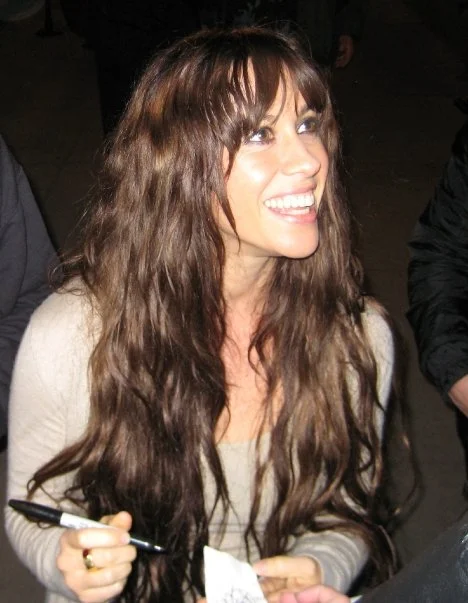
- 17. Matt Becker / Wikimedia CommonsGeddyLee.JPG: copyright-holder’s CC BY 3.0 grant and full 22 May 2008 photograph
The specific grant identifies Matt Becker as copyright holder; the original English Wikipedia upload log also names Becker. The full 2008 file is used, not another fan’s cropped portrait or generic Commons footer licence.