In this biography
Quick facts
- Born
- 1932-08-31
- Birthplace
- Lebanon, New Hampshire, United States, on Wabanaki territory
- Country
- Canada
- Nationality
- Not independently established
- Known for
- Kanehsatake: 270 Years of Resistance and community-centred documentary filmmaking
- Born
- 31 August 1932, Lebanon, New Hampshire
- Abenaki community
- Childhood in Odanak, Quebec
- NFB affiliation
- Began as a consultant in 1967
- First film
- Christmas at Moose Factory (1971)
Why this life matters
Her work makes Indigenous testimony a source of narrative authority. Performance, sound recording and long-term relationships are central to that practice, not only the act of being present with a camera.
Timeline
Key moments
Born on Wabanaki territory
Born in Lebanon, New Hampshire; childhood follows in Odanak.
Move to Trois-Rivières
School experiences expose her to racism and sharpen her later educational purpose.
Performance and public work
Singing, school visits and community organizing precede the NFB appointment.
Christmas at Moose Factory
Children’s drawings and voices become the basis of her first film.
Filming and releasing Kanehsatake
The 1990 confrontation and the documentary’s 1993 release are separate dates.
Recognition and continuing work
A lifetime achievement award precedes later retrospectives and new children’s work discussed in 2025.
Abenaki origins and a childhood across a border
Alanis Obomsawin was born on 31 August 1932 in Lebanon, New Hampshire, on Wabanaki territory. She grew up in Odanak, Quebec, before moving with her parents to Trois-Rivières. Abenaki identity is not interchangeable with a modern state border or a birthplace-based assumption about citizenship.
In interviews she describes oral history and song as sources of knowledge, followed by racist treatment at school. Her later concern with education grew from the difference between what children were officially taught and the lives and histories she knew.
Singing, storytelling and organizing before film
Performance preceded the documentary career. Obomsawin sang and told stories in schools and on stages, recalling a 1960 New York Town Hall concert in her 2025 Art21 interview. Speaking with children was not a temporary activity abandoned once cinema became available.
She also organized support for an Odanak swimming pool when local children lacked safe access to swimming. A television account of that work helped bring her to the National Film Board’s attention. Community organizing, rather than a conventional film-school route, opened the professional door.
The NFB and children who become storytellers
The NFB hired her as a consultant in 1967. Christmas at Moose Factory, released in 1971, grew from recordings and drawings made with children. She later recalled inviting the children to tell their own stories after years of telling hers to them.
The method changes who supplies the narrative, not just who appears on screen. Sound and images allow the children’s voices and imagination to organize a film, instead of making them illustrations for an adult’s explanation from outside.
Institutions, women and communities under pressure
Mother of Many Children, Incident at Restigouche and Richard Cardinal: Cry from a Diary of a Métis Child address different experiences of family, state power and Indigenous life. They should not be compressed into one undifferentiated story of a single community.
Her career includes testimony from different nations and generations. The GGPAA profile identifies a sustained commitment to education and social justice across those works, rather than defining her solely by a dramatic moment later seen on television.
Sources for this section: [3]
Kanehsatake and the difficulty of remaining present
During the 1990 confrontation over Mohawk land near Oka, Obomsawin filmed behind the barricades, sometimes with a small crew and sometimes alone. Kanehsatake: 270 Years of Resistance was released in 1993, not in the year of the standoff.
In a 2015 interview she remembered danger, especially at night, and described a changing reception to the film. Those recollections preserve her own perspective on the work. They do not turn an armed confrontation involving communities, police and soldiers into a simple tale with no historical disagreements.
Listening remains a working method
The 2008 Governor General’s Performing Arts Award recognized a career already spanning performance and cinema. In May 2025 she was still discussing new children’s work, including My Friend the Green Horse, and the importance of Abenaki alongside French and English.
That interview also describes visiting with a sound recorder before bringing a film crew. Trust and the time given to another person’s account are part of production. Her contribution is therefore not only a larger archive of images, but a different understanding of whose speech can organize the history an audience receives.
Quick answers
Frequently asked questions about Alanis Obomsawin
- Is Alanis Obomsawin Mohawk?
- She identifies as Abenaki, from Odanak. Her documentary about Kanehsatake centres Kanien’kehá:ka, or Mohawk, experiences; those identities should not be conflated.
- When did she join the National Film Board?
- The NFB identifies her appointment as a consultant in 1967.
- Was Kanehsatake released during the 1990 crisis?
- No. The events and filming were in 1990; the documentary was released in 1993.
- Was film her first storytelling medium?
- No. Singing, oral storytelling, school visits and community organizing preceded her filmmaking.
Keep exploring
Lives connected to this story
- Leonard Cohen
The IDA profile places Cohen among the Montreal creative circle Obomsawin encountered before her film career.
- Denis Villeneuve
Compare another filmmaker’s account of cultural perspective while distinguishing fictional adaptation from community testimony.
- Yousuf Karsh
Compare the way a visual artist’s access, preparation and public narrative shape what a viewer knows about a subject.
Sources and further reading
Explore the evidence
These references support the biography and offer further reading. Official records, first-person accounts and independent reporting provide different perspectives; image records document attribution and licensing.
- 1. National Film Board of CanadaDirector profile: Abenaki identity and 1967 appointment
- 2. International Documentary Association2005 profile and artist testimony: birth, early life and education
Uses the reported 31 August 1932 birth date, not the article’s eclipse description. Its first-film filmography date conflicts with NFB/GGPAA; 1971 is used for the completed film.
- 3. Governor General’s Performing Arts Awards2008 lifetime achievement profile and selected films
- 4. Max Levin / Art21May 2025 artist interview: performance, listening and new work
Actual May 2025 interview read; imperfect exhibition-caption dates are not repeated as a reliable schedule. No inferred dual citizenship or present complete film count.
- 5. National Film Board of CanadaKanehsatake: 1993 film, actual credits and 1990 events
- 6. CityNews2015 interview: danger, reception and remembered filming conditions
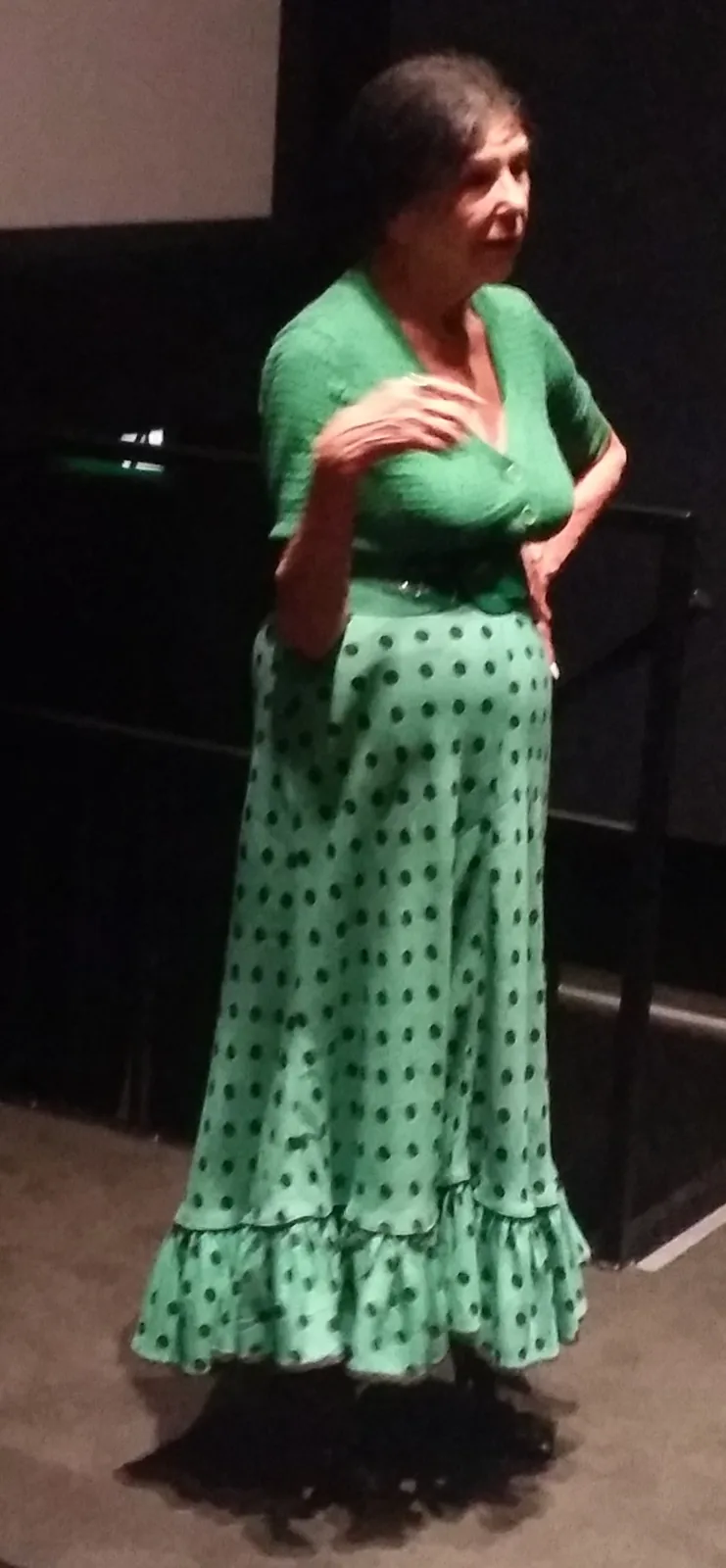
- 7. Bull-Doser / Wikimedia Commons2018 own-work portrait and explicit public-domain dedication
PD-self is an explicit photographer dedication, not an inference from government or institutional hosting. The full supplied portrait is retained.