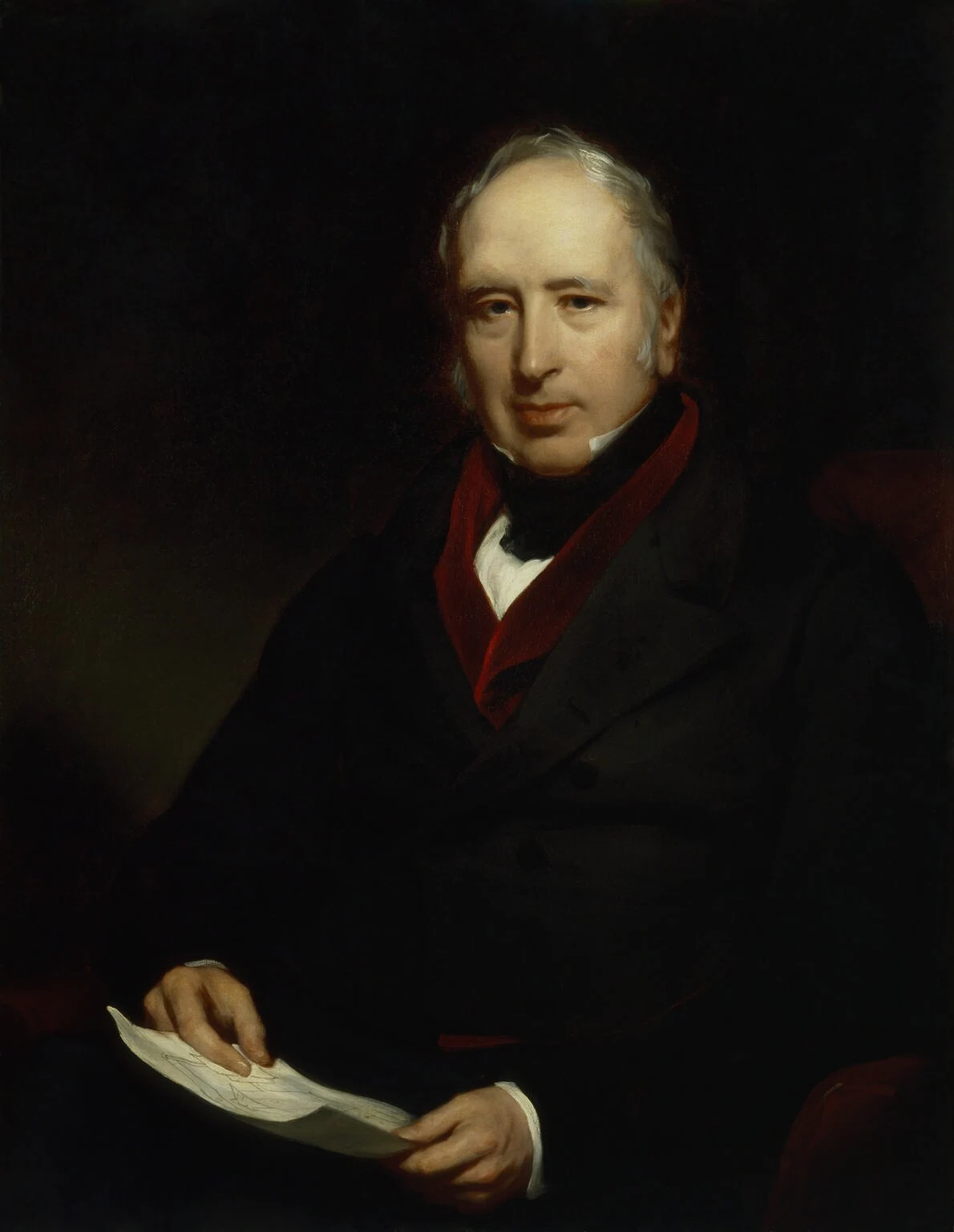
In this biography
Quick facts
- Born
- 1907
- Died
- 1996
- Birthplace
- Not independently established
- Country
- United Kingdom
- Nationality
- Not independently established
- Known for
- Power Jets and the Whittle turbojet
Why this life matters
His work turned a propulsion concept into an engine that could drive its own compressor and propel a test aircraft.
Timeline
Key moments
Turbojet application
Files an aircraft propulsion design using a turbine-driven compressor.
Power Jets
Develops experimental engines with industrial backing.
Gloster E.28/39 flight
A Whittle engine powers the experimental aircraft in flight.
From aircraft apprentice to propulsion designer
Whittle entered the Royal Air Force through its apprenticeship route and trained as a pilot. The possibilities and limits of aircraft performance gave him a reason to rethink propulsion. His 1930 patent application laid out an arrangement in which incoming air would be compressed, heated and discharged to produce thrust. A turbine driven by the hot flow would power the compressor.
The idea required a machine capable of maintaining that cycle, not just a source of heat or a way to direct an exhaust stream. An engine had to run through changing conditions with workable materials and controllable combustion.
Building engines through Power Jets
Whittle found support for the work through Power Jets in the 1930s. A running test engine gave his team evidence unavailable from the drawings. Its behaviour could expose practical difficulties in starting, controlling fuel and keeping the mechanical parts working together. An experimental engine mounted on the ground answered those questions without yet establishing performance in the air.
The work also involved organisations beyond his own company. A flying demonstration needed an airframe and a test programme. This placed Whittle’s propulsion work alongside the work of Gloster, the RAF and the people who prepared and piloted the aircraft.
The Gloster flight
The Gloster E.28/39 flew under jet power in May 1941 with a Whittle engine. The museum’s surviving aircraft is evidence of the integration of airframe and power plant. It belongs at a later point in the story than a patent drawing or a workshop test. The sequence also leaves room for parallel jet development elsewhere, which cannot be settled by treating the date of one British flight as a universal priority claim.
Quick answers
Frequently asked questions about Frank Whittle
- What did Whittle’s turbine do inside the turbojet?
- Hot gas drove the turbine, which supplied shaft power to the compressor. The remaining exhaust flow contributed to thrust.
Keep exploring
Lives connected to this story
- George Cayley
Compare another stage of British aviation research, when lift, control and propulsion were being separated conceptually.
- Charles Parsons
Compare a turbine used for a different job, driving a generator or a ship’s propeller.
Sources and further reading
Explore the evidence
These references support the biography and offer further reading. Official records, first-person accounts and independent reporting provide different perspectives; image records document attribution and licensing.
- 1. University of Cambridge Department of EngineeringFrank Whittle
- 2. British patent specificationImprovements relating to the propulsion of aircraft, GB347206A
Filing and publication are distinct. The selected specification describes an intended design, not the later aircraft test.
- 3. Royal Air ForceJet Propelled Flight
- 4. Science Museum GroupGloster-Whittle E28/39 jet aeroplane
The museum object identifies the aircraft; RAF records support the May 1941 test.