In this biography
Quick facts
- Born
- 1906
- Died
- 2000
- Birthplace
- Wallington, Surrey, England, United Kingdom
- Country
- United Kingdom
- Nationality
- Not independently established
- Known for
- Developing food-composition research with Robert McCance and investigating nutrition and growth
Why this life matters
Her work shows why the composition of food, individual intake and the conditions of growth are related but different research questions.
Timeline
Key moments
Birth in Wallington
Born on 21 October 1906.
Food-composition book
Published The Chemical Composition of Foods with Robert McCance.
Growth report
Published Mental Contentment and Physical Growth.
Death
Died on 14 June 2000.
Chemistry preceded nutrition
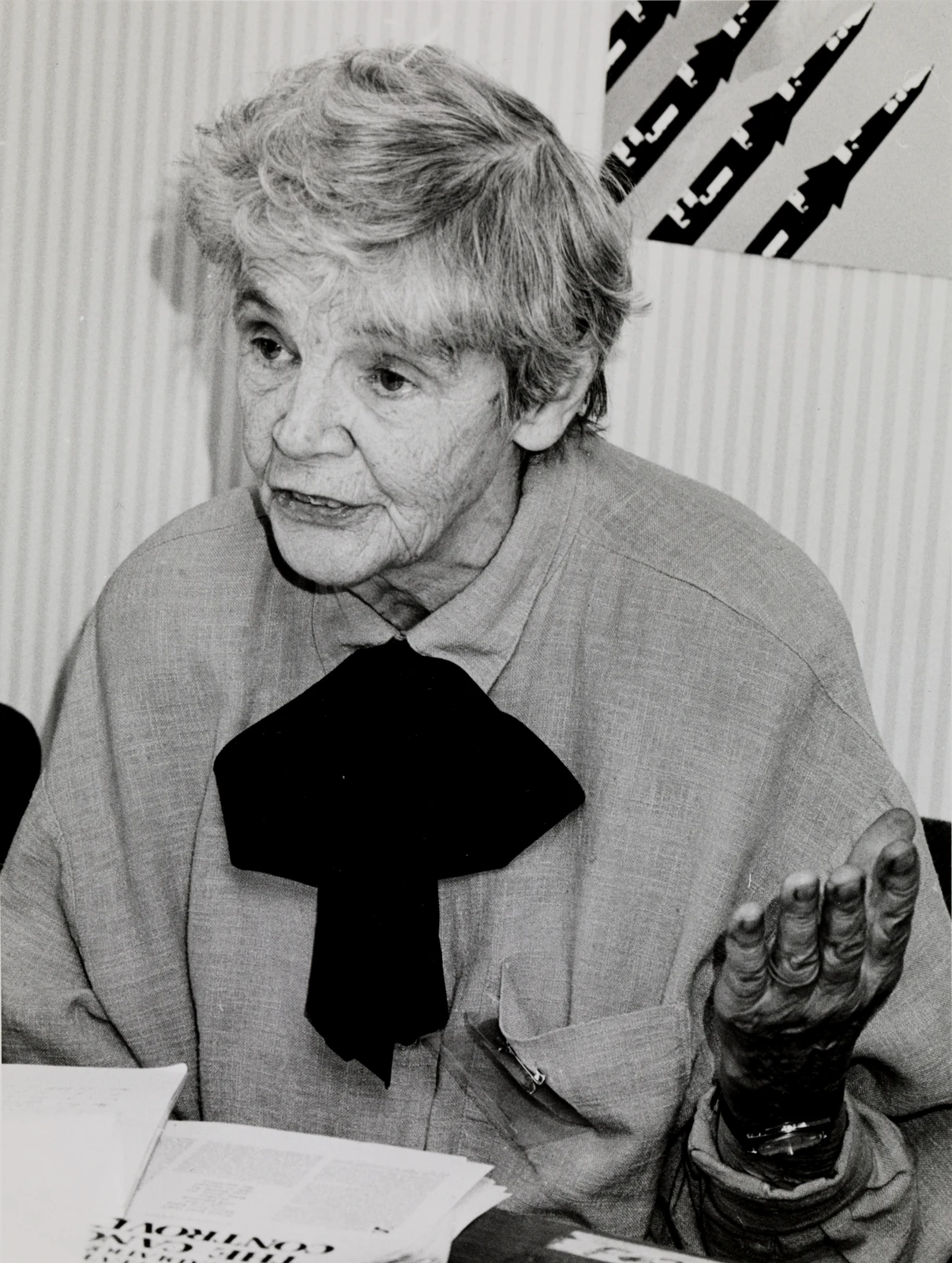
Elsie Widdowson was born in Wallington, Surrey, in 1906. She studied chemistry at Imperial College London, graduating in 1928, and completed doctoral work on carbohydrates in apples. Her later training in dietetics brought chemical analysis into questions about the food people actually consumed. Margaret Ashwell’s colleague biography describes this progression and Widdowson’s insistence on thinking again when results did not make physiological sense. Her scientific identity was broader than the title nutritionist alone suggests.
Sources for this section: [1]
The food-table partnership
At King’s College Hospital, Widdowson formed a long scientific partnership with Robert McCance. Their 1940 book, The Chemical Composition of Foods, connected analysis of foods with the practical interpretation of diets. The partnership also contributed to wartime nutrition research. Its value should be described through those investigations and records, rather than a sweeping claim that two researchers alone caused an improvement in the health of an entire population. Chemical measurements, dietary planning and population outcomes remain different kinds of evidence.
Growth introduced questions beyond composition
Widdowson’s work extended from food analysis to intake, undernutrition and growth. Her 1951 publication, Mental Contentment and Physical Growth, became an important reference in later discussions of institutional care. The original publication record establishes its date and authorship; peer-reviewed historical accounts describe its observations of children in postwar Germany. That distinction matters when reconstructing her research: later retellings can explain its influence without being passed off as a fresh reading of every original measurement or a complete account of the mechanism.
An independent career and a mentoring legacy
Widdowson worked in several MRC-associated research settings and led infant-nutrition research at the Dunn Nutrition Laboratory. She received the James Spence Medal in 1981 and continued scientific work beyond formal retirement. Ashwell remembers her support for younger researchers and women in science. She died in 2000. Her legacy combines analytical precision with attention to variation between people and settings. The familiar shared title of the food tables preserves a partnership, but it should not obscure the breadth of her own research and the practical encouragement she offered other scientists.
Quick answers
Frequently asked questions about Elsie Widdowson
- What is Elsie Widdowson known for?
- Developing food-composition research with Robert McCance and investigating nutrition and growth.
Keep exploring
Lives connected to this story
- Robert McCance
Distinguish food composition from an individual’s intake or requirements.
- Alice Stewart
Compare how historical observational evidence supports questions while retaining alternative explanations.
Sources and further reading
Explore the evidence
These references support the biography and offer further reading. Official records, first-person accounts and independent reporting provide different perspectives; image records document attribution and licensing.
- 1. Royal College of PhysiciansElsie May Widdowson
Margaret Ashwell’s colleague biography: Wallington birth,1906–2000 life dates, chemistry degree1928, apple-carbohydrate doctorate, dietetics, food tables and mentoring. Native full-page text was read; extreme self-experiment quantities and sweeping claims are omitted.
- 2. King’s College LondonDr Elsie Widdowson
Institutional history of dietetics/chemistry partnership,1940 food book and wartime nutrition research. Claims of sole causation for whole-population health are not adopted.
- 3. Royal College of Paediatrics and Child HealthDr Elsie Widdowson
Career settings, infant-nutrition leadership,1981 JamesSpenceMedal and14June2000 death. No claimed current institution status.
- 4. The Lancet / PubMedMental contentment and physical growth
1951 author,title,date,pages and DOI only. No abstract is available and the original full paper was blocked; results are not claimed to have been read directly.
- 5. Monographs of the Society for Research in Child Development / PMCGrowth Failure in Institutionalized Children
Peer-reviewed later account of Widdowson’s postwar German orphanage observations: differing growth under different caregiving settings. Used as a retrospective source, not as the original1951 report.
- 6. Psychological Medicine / Cambridge University PressEffects of early nutrition on neurological and mental competence in human beings
Scoped historical review passage explicitly discussing Widdowson1951: two homes,initial dietary comparison,later supplementation and growth reversal. No detailed1951 data or definitive single-factor causation inferred.