In this biography
Quick facts
- Born
- 3 May 1768
- Died
- 1 October 1838
- Birthplace
- Ayrshire, Scotland
- Country
- United Kingdom
- Nationality
- Scottish
- Known for
- Bleaching powder and the St Rollox chemical works
- Early work
- Textiles and bleaching
- Liquid process patent
- 1798; subsequently invalidated
- Bleaching-powder patent
- 1799
- St Rollox manufacture
- Established around 1799–1800
- Railway connection
- Garnkirk and Glasgow Railway
Why this life matters
Tennant helped turn chemical knowledge into a transportable industrial product and a large manufacturing business connected with canals and early railways.
Timeline
Key moments
Born in Ayrshire
He grew up in a farming family before entering textile work.
Bleaching experience
Work at bleachfields brought attention to slow and expensive methods.
Two different patents
A liquid process was followed by the more commercially useful bleaching powder.
St Rollox works
Tennant and partners developed chemical manufacture at Glasgow.
Railway connections
The Garnkirk and Glasgow Railway opened, serving the industrial economy.
Death and succession
Tennant died on 1 October; his son John continued the business.
From Ayrshire textiles to a bleachfield
Charles Tennant was born in Ayrshire on 3 May 1768. He grew up in a large farming family and received schooling before learning textile work at Kilbarchan. Experience with cloth introduced him to bleaching, a slow process that could tie up land, labour and capital.
He worked at bleachfields and established a concern at Darnley. The problem was commercially specific: manufacturers needed cloth prepared more quickly and predictably. His move towards chemistry grew from that production problem, rather than from an isolated search for a new substance.
Building on existing chlorine chemistry
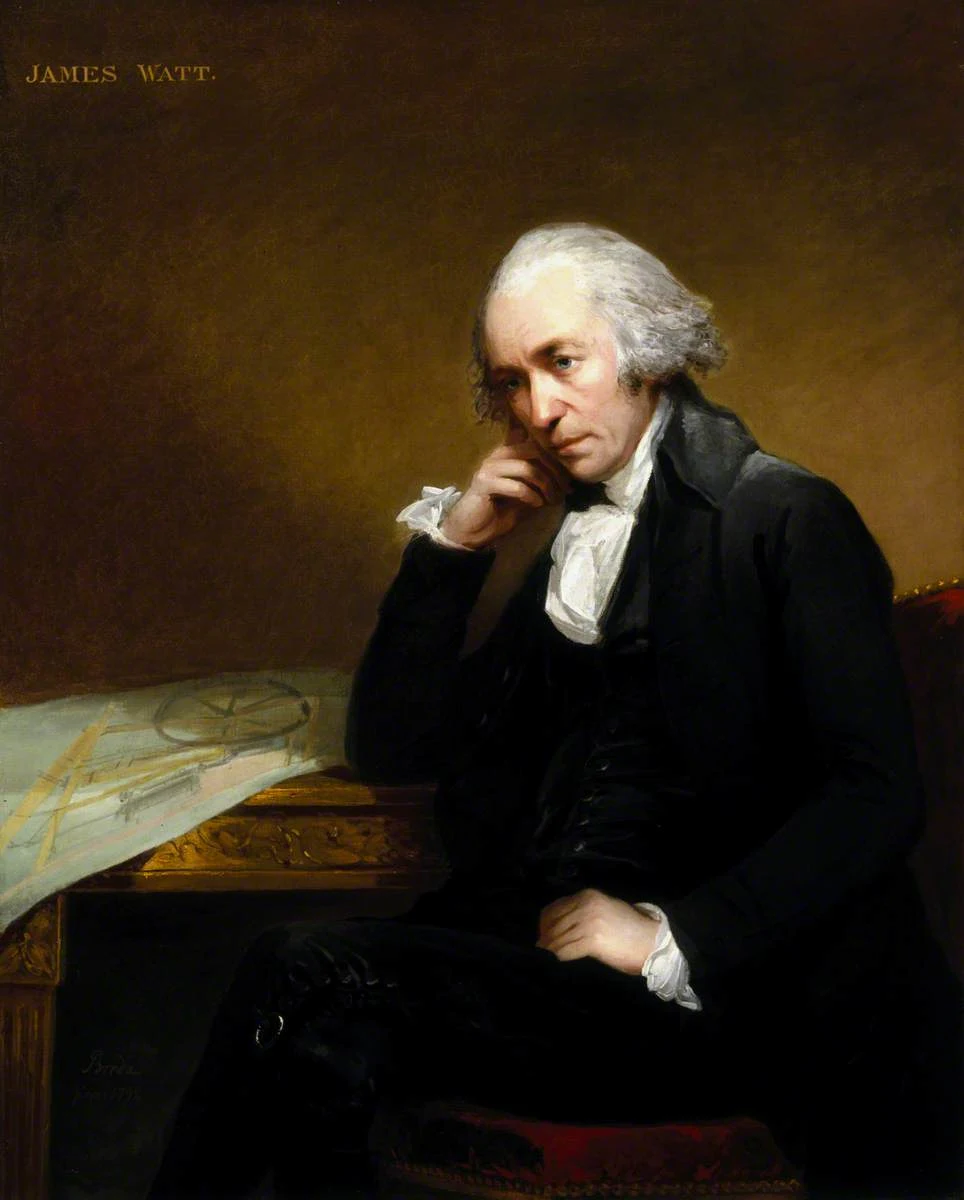
Chlorine bleaching was already known through the work of Scheele, Berthollet and others. James Watt helped communicate and test its application in Britain. Tennant therefore entered an active field of experimentation, rather than discovering the bleaching properties of chlorine from nothing.
His experiments substituted lime for more expensive potash in a bleaching preparation. A 1798 patent covered a liquid process, but a legal challenge invalidated it because part of the claim was not new. The case illustrates the difference between developing a useful process and obtaining an enforceable monopoly over it.
Bleaching powder and the work of partners
A further patent in 1799 covered bleaching powder, made through the interaction of chlorine and lime. The dry product was easier to transport than earlier liquid preparations, helping connect chemical manufacture with distant textile users.
Charles Macintosh was among Tennant’s partners and contributed chemical knowledge. The precise allocation of inventive credit is less simple than the familiar founder story: the European Route of Industrial Heritage notes that Macintosh may have devised much of the powder process. Tennant’s clear role was in securing and commercially developing the enterprise.
St Rollox and large-scale chemical production
The partners developed the St Rollox chemical works at Glasgow around 1799–1800. The location connected production with coal and canal transport. The business expanded beyond bleaching powder into other chemical products, tying its fortunes to the growth of textiles and manufacturing.
Commercial success required raw materials, plant, transport and a substantial workforce. Later factory growth should not all be assigned to the founder’s lifetime. His son and subsequent generations enlarged the concern, while the famous St Rollox chimney was built only after Charles’s death.
Railways and public interests
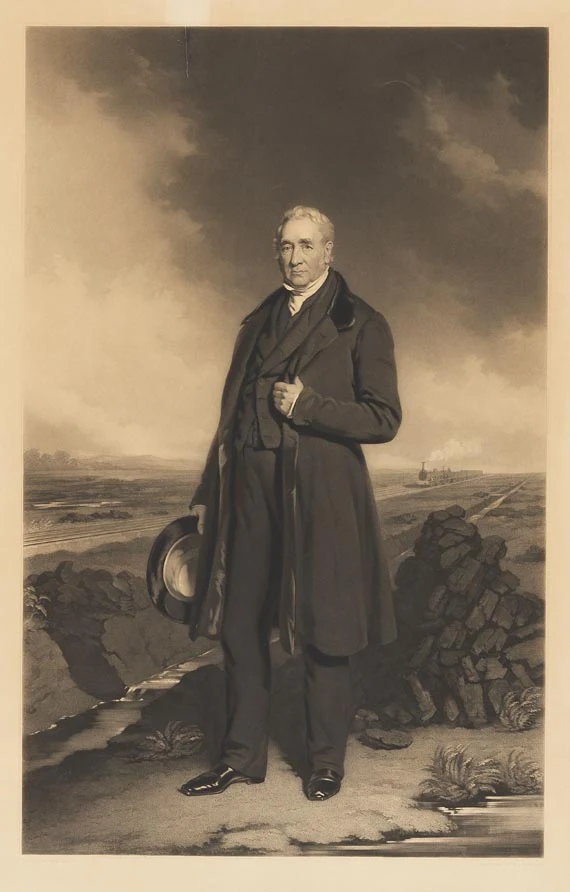
Tennant became an active supporter of early railway development, particularly the Garnkirk and Glasgow Railway, which opened in 1831. Cheaper movement of coal and industrial goods offered a direct advantage to manufacturers such as his own company.
The nineteenth-century memoir also describes his support for the Edinburgh and Glasgow Railway and his presence at the opening of the Liverpool and Manchester line. Such interests joined public infrastructure to private business. A railway could benefit a region and simultaneously improve the economics of a chemical works.
Succession and the limits of the founder story
Tennant died in Glasgow on 1 October 1838. His son John became general manager and senior partner, continuing an enterprise that outlived the original patents. The later baronet Sir Charles Tennant, born in 1823, was the founder’s grandson, not the same person.
Tennant’s significance lies in making chemistry commercially useful at scale. The older memoir praises him without reserve, but its account also reveals a network of prior discoveries, partners and transport systems. Those connections explain the achievement more fully than treating bleaching powder as one man’s unaided discovery.
Quick answers
Frequently asked questions about Charles Tennant
- Did Charles Tennant discover chlorine?
- No. Earlier chemists had identified chlorine and investigated its bleaching action. Tennant developed commercially useful lime-based bleaching preparations and manufacturing.
- Were the 1798 and 1799 patents the same invention?
- No. The earlier claim concerned a liquid preparation and was invalidated. The later bleaching-powder patent supported a more transportable industrial product.
- Was the founder the same as Sir Charles Tennant, the baronet?
- No. The chemical entrepreneur lived from 1768 to 1838. Sir Charles Tennant, born in 1823, was his grandson and belonged to a later generation of the business.
Keep exploring
Lives connected to this story
- James Watt
Steam power and the communication of chlorine-bleaching experiments in Britain.
- George Stephenson
Railway engineering linked with Tennant’s transport interests.
- Henry Bessemer
Another case of chemical process development, patent control and industrial manufacture.
Sources and further reading
Explore the evidence
These references support the biography and offer further reading. Official records, first-person accounts and independent reporting provide different perspectives; image records document attribution and licensing.
- 1. William Walker Jr / Project GutenbergMemoirs of the Distinguished Men of Science: Charles Tennant, pp.122–124
Read only the Charles Tennant memoir, printed pp.122–124. It draws partly on family particulars and is openly celebratory. Its Ochiltree birthplace differs from modern Alloway accounts, so the profile uses the shared supported region Ayrshire.
- 2. Science Museum GroupCharles Tennant and Company: factory chronology
The company chronology was read. Post 1838 expansion and the 1842 chimney are kept separate from the founder’s lifetime.
- 3. National Portrait GalleryCharles Tennant (1768–1838): chemical manufacturer
- 4. European Route of Industrial HeritageCharles Tennant: indexed biography (direct access returned 403)
Indexed biography text was read for Darnley, powder transport, Macintosh and 1831 railway context; direct opening returned 403. Its 1799 factory date and the 1800 date in museum/old memoir accounts are presented as a staged 1799–1800 establishment.
- 5. TheGlasgowStory / Glasgow City ArchivesJohn Tennant: succession after the founder’s death
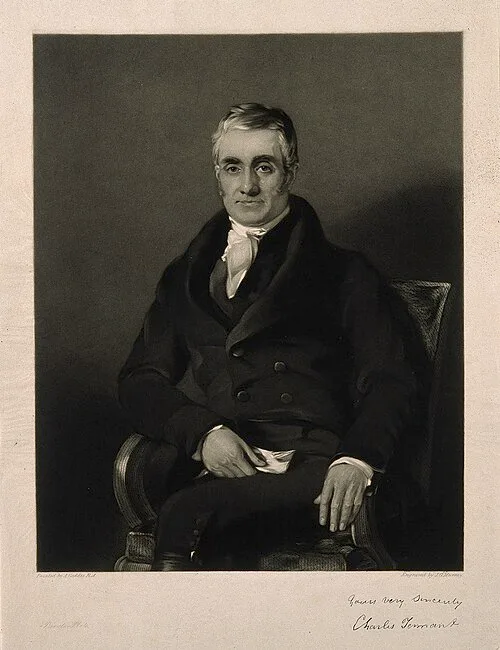
- 6. Wellcome Library / Wikimedia CommonsMurray after Geddes: Charles Tennant, image and revision record
- 7. Creative CommonsAttribution 4.0 International