In this biography
Quick facts
- Born
- 1960
- Birthplace
- Cairo, Egypt
- Country
- Canada
- Nationality
- Canadian
- Known for
- Exotica, The Sweet Hereafter, Ararat, collaborations with Mychael Danna and work in opera
- Born
- 1960, Cairo, Egypt; exact birthday withheld
- Raised
- Victoria, British Columbia
- First feature
- Next of Kin (1984)
- Academy recognition
- Two nominations for The Sweet Hereafter at the 1998 ceremony
Why this life matters
His films make narrative order, music and recorded images part of how viewers judge testimony and intimacy, while his work connects Canadian production to Armenian diasporic experience.
Timeline
Key moments
Cairo, Victoria and Toronto
An Armenian family background and Canadian upbringing precede studies at the University of Toronto.
An independent film practice
Next of Kin, Family Viewing and Speaking Parts establish recurring interests in identity and mediated experience.
An international breakthrough
Calendar and Exotica precede The Sweet Hereafter, its Cannes Grand Prix and two later Oscar nominations.
Adaptation and Armenian memory
Felicia’s Journey, Ararat and Adoration extend the work across different histories and narrative forms.
Further dramatic approaches
Chloe, Devil’s Knot, The Captive, Remember and Guest of Honour continue the feature-film career.
Opera and cinema meet
Seven Veils brings a production of Salome into a new screen story; theatre, opera and installation work continue.
An Armenian family history and Canadian upbringing
Atom Egoyan was born in Cairo in 1960 and grew up in Victoria, British Columbia. His Armenian heritage and Canadian nationality describe different parts of that history. At the University of Toronto, he studied international relations and classical guitar, wrote and directed plays and made shorts through the Hart House Film Board.
His own biography places theatre beside filmmaking from the beginning. TIFF also describes university as a period of renewed engagement with Armenian history. That cultural inquiry became visible in particular works, but it should not turn every character into a disguised self-portrait or reduce an extensive career to one inherited subject.
Early films make mediation part of the drama
Next of Kin premiered in 1984. Family Viewing and Speaking Parts followed, exploring identities and relationships shaped by recordings, institutions and private arrangements. Egoyan’s characters often encounter one another through an image or a role before they understand the person involved. Nonlinear narration can delay the information that changes a viewer’s judgment.
Music became part of this method through his continuing partnership with Mychael Danna, beginning with Family Viewing in 1987. In Miguel Mera’s interview, Egoyan described seeking a tension between restrained images and music carrying emotions the image had not disclosed. Sound therefore contributes to the storytelling rather than simply decorating finished scenes.
Calendar and Exotica widen the audience
Calendar in 1993 brought a photographer’s journey in Armenia into a fragmented story of separation and return. Exotica followed in 1994, drawing seemingly separate lives into the routines of a Toronto nightclub. Bruce Greenwood, Arsinée Khanjian, Elias Koteas, Mia Kirshner and Don McKellar belonged to a network whose connections emerge gradually.
Roger Ebert’s later assessment emphasized how Egoyan’s characters try to cross cultural and emotional barriers. The film’s revelations change the meaning of earlier encounters. Its success expanded the director’s international audience without making conventional exposition his governing method. Khanjian’s recurring performances also belong to the professional collaborations that helped sustain his independent practice.
Ararat and the practical costs of independence
Ararat in 2002 addressed the Armenian genocide through a contemporary story involving the making of a historical film. In a later interview, Egoyan emphasized denial and its effect on subsequent generations. The layered form connected his interest in representation with a history that was personally and politically charged.
The same interview describes the material limits of independent production. Discussing Where the Truth Lies, he said its American NC-17 rating reduced advertising and exhibition opportunities. He also weighed studio distribution against artistic control. These are his reported experiences and judgments, showing that a distinctive style depends on financing, access and working arrangements as well as an individual artistic intention.
Later cinema returns to the stage
Chloe, Remember and Guest of Honour extended the feature career through different casts and genres. His 2015 Governor General’s Performing Arts Award recognized a wider body of work that also includes mentoring, visual art and opera. These activities were continuing practices, not simply honours attached to earlier films.
Seven Veils, dated 2023 in his official filmography, stars Amanda Seyfried as an opera director mounting Salome. It brings theatre-making, memory and troubled authority into the same narrative. Later release criticism remained divided: Javier Ocaña praised individual ideas while finding the structure unsuccessful. Egoyan’s official project list also records recent stage work, keeping the longer career visible beyond its celebrated 1990s period.
Quick answers
Frequently asked questions about Atom Egoyan
- Where was Atom Egoyan born?
- He was born in Cairo, Egypt, in 1960 and grew up in Victoria, British Columbia. The exact birthday is withheld here because published accounts conflict.
- Is Atom Egoyan Canadian or Armenian?
- He is a Canadian filmmaker of Armenian heritage. His Cairo birthplace, Canadian upbringing and engagement with Armenian diasporic history are distinct parts of his biography.
- Did The Sweet Hereafter win Atom Egoyan an Oscar?
- It earned him nominations for directing and adapted screenplay at the 1998 Academy Awards; he did not win either category.
- Who is Mychael Danna in relation to Egoyan’s films?
- Danna is a composer whose film collaboration with Egoyan began with Family Viewing in 1987. Their work includes Exotica, The Sweet Hereafter and Ararat.
Keep exploring
Lives connected to this story
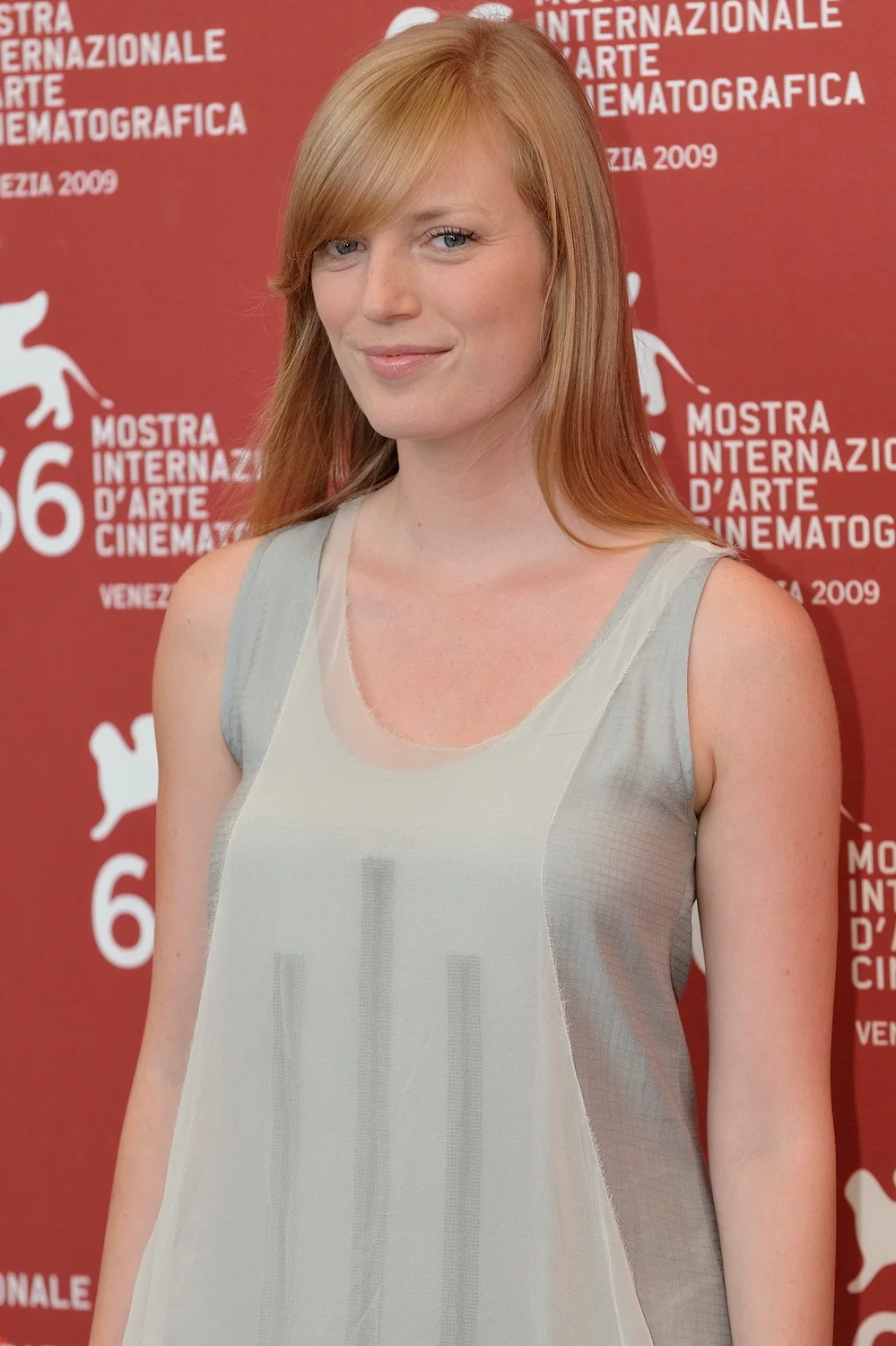
- Sarah Polley
Follow the actor in The Sweet Hereafter into her own career as a filmmaker, screenwriter and documentary author.
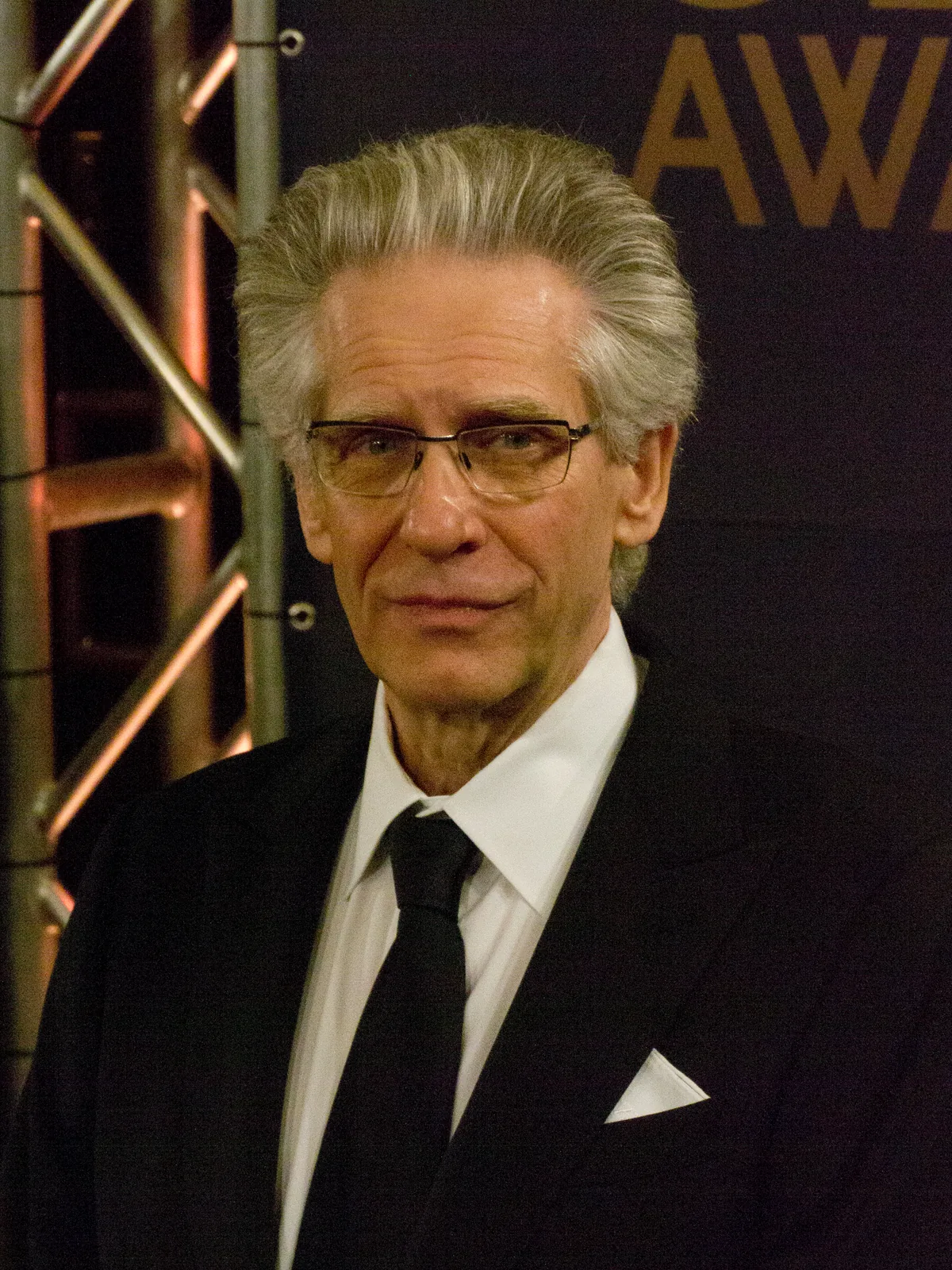
- David Cronenberg
Compare another Canadian director’s distinct use of genre, bodily experience and unsettling questions about identity.
- Denis Villeneuve
Explore a later Canadian filmmaking career in which adaptation and movement between production settings reshape screen storytelling.
Sources and further reading
Explore the evidence
These references support the biography and offer further reading. Official records, first-person accounts and independent reporting provide different perspectives; image records document attribution and licensing.
- 1. Ego Film ArtsBiography: Cairo, Victoria, study, theatre and filmmaking
- 2. Museum of Modern ArtCanadian nationality and Egyptian birth
- 3. TIFF / Canadian Film EncyclopediaEarly films, Armenian history and artistic development
This older reference gives 1 January 1960, while other published references give 19 July. His own biography confirms only Cairo and 1960; the exact day and month are therefore withheld. Outdated film counts and current-job wording are not adopted.
- 4. Miguel Mera / Ethnomusicology Forum2003 interview on Mychael Danna, sound and collaboration, published 2009
The accepted manuscript is a 2009 publication of a 5 March 2003 interview. The interview’s date is distinguished from publication; no complete soundtrack listening is claimed.
- 5. Roger EbertExotica: identity, hidden connections and recurring collaborators
- 6. Festival de CannesThe Sweet Hereafter: 1997 film, credits and Grand Prix
- 7. Terry Gross / Fresh Air1997 interview with Russell Banks and Atom Egoyan
- 8. Academy of Motion Picture Arts and Sciences1998 directing and adapted-screenplay nominations
- 9. Panayiotis Panagopoulos / Kathimerini2006 interview on Ararat, ratings and independent production
The 2006 interview was translated from Greek. Statements about independence, classification and distribution are attributed to Egoyan rather than treated as a complete business audit.
- 10. Governor General’s Performing Arts Awards2015 lifetime artistic achievement and wider practice
- 11. Ego Film ArtsOfficial filmography and stage projects, checked October 2026
The official filmography and biography were checked on 23 October 2026. They date Seven Veils to 2023; no later unverified feature or scheduled performance is asserted as completed.
- 12. Institute of Contemporary ArtsSeven Veils: 2023 film and opera-production premise
- 13. Javier Ocaña / El País2025 critical assessment of Seven Veils
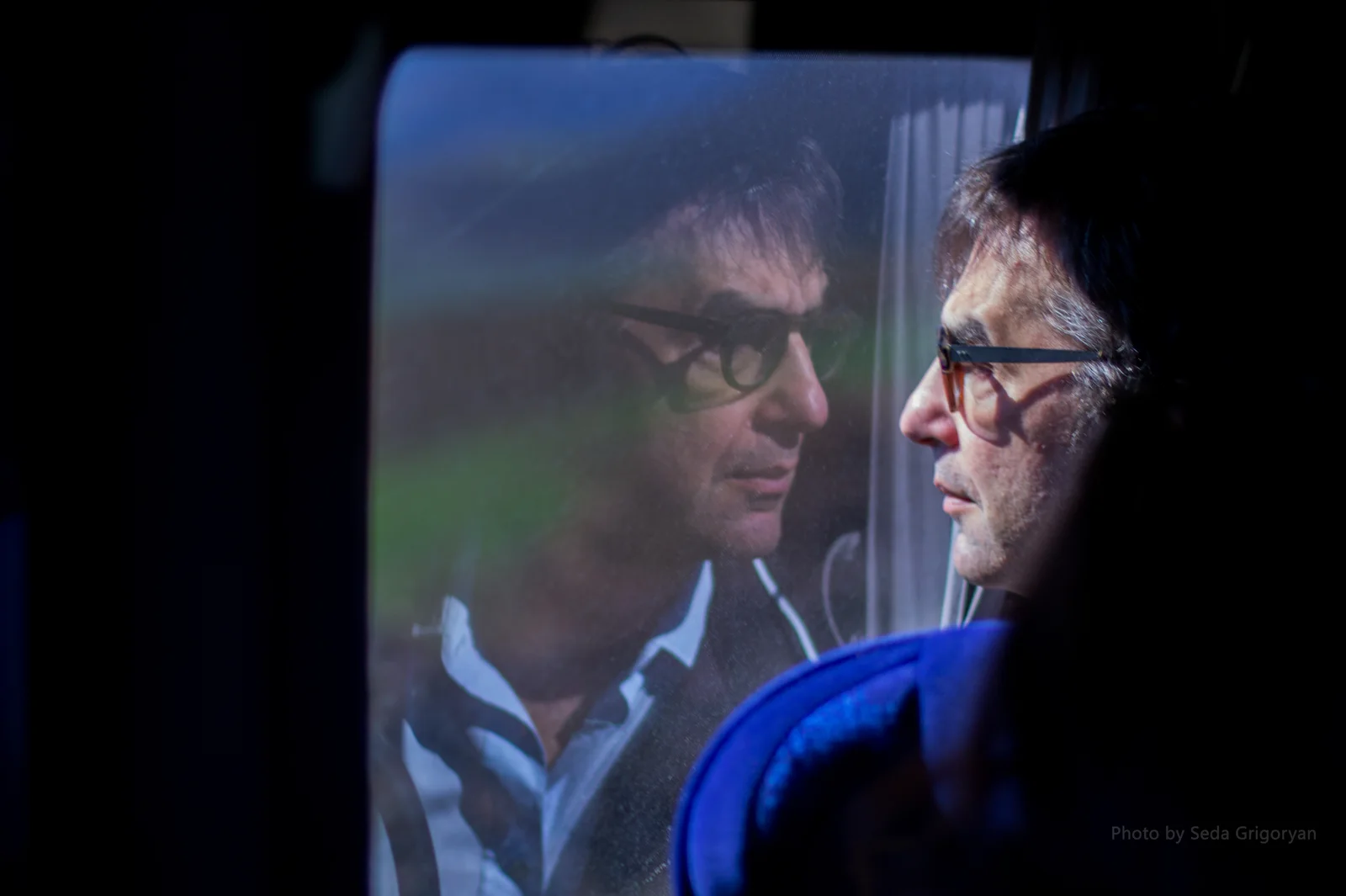
- 14. Seda Grigoryan / Wikimedia Commons2017 Armenia portrait, original revision and CC BY-SA 4.0 grant
The explicit own-work copyright-holder grant and sole full-frame revision were checked. The original was inspected before proportional reduction; the photographer’s visible credit and reflection are retained.